Learn what every symbol on the card means.Full credits and sources at beakbrain.com/symbols
 WetlandScrapeSmall · 50 g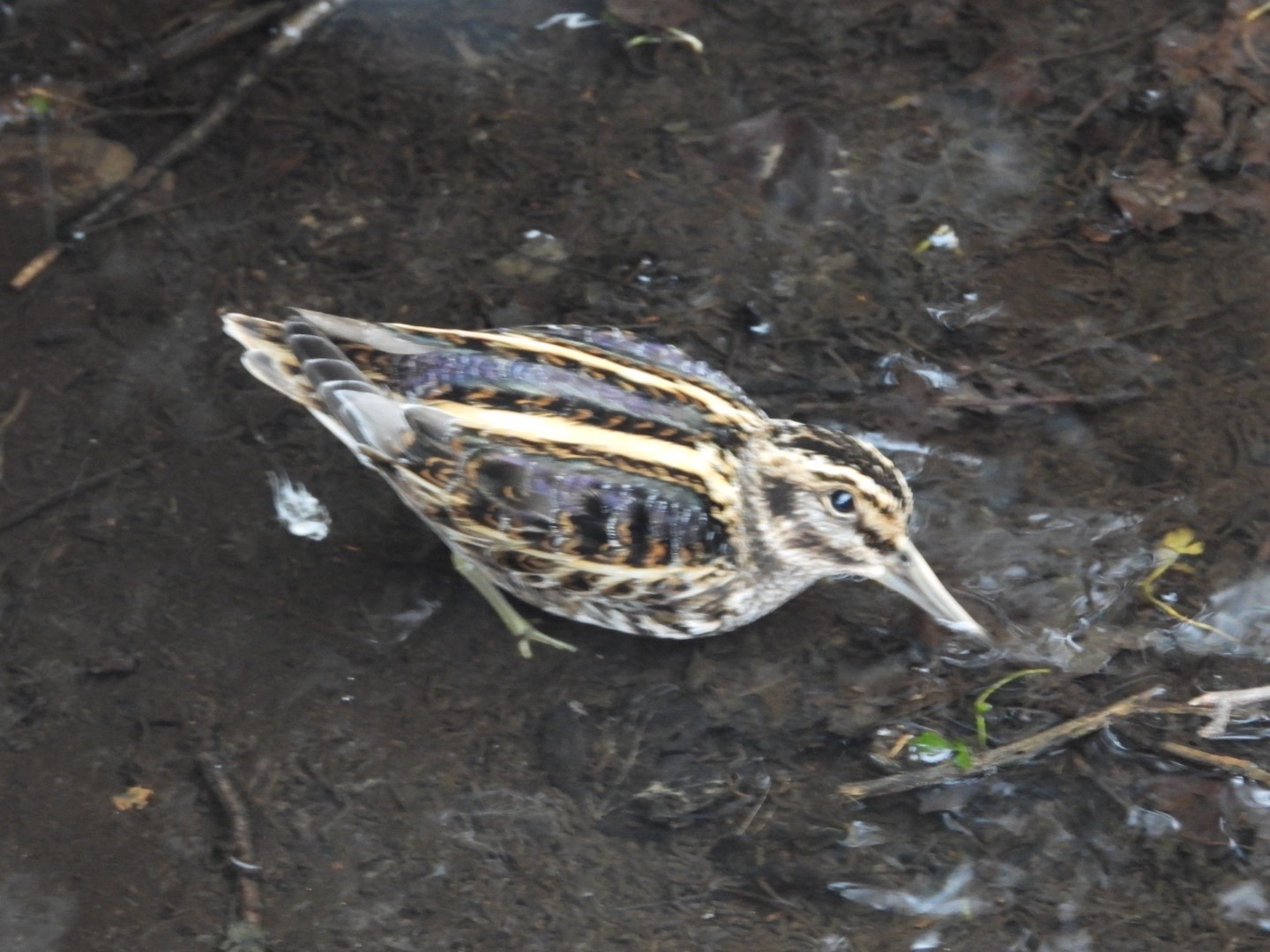
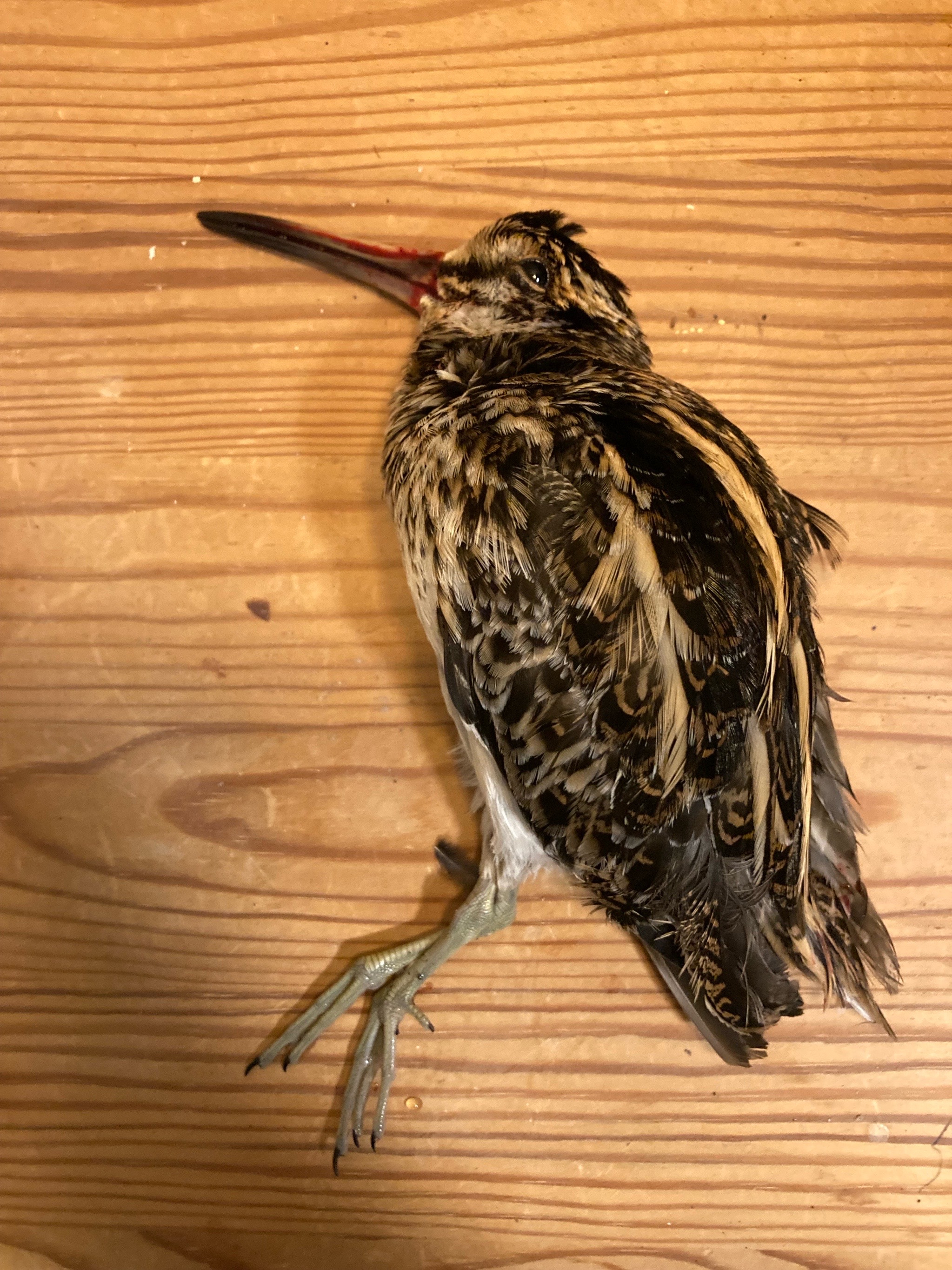
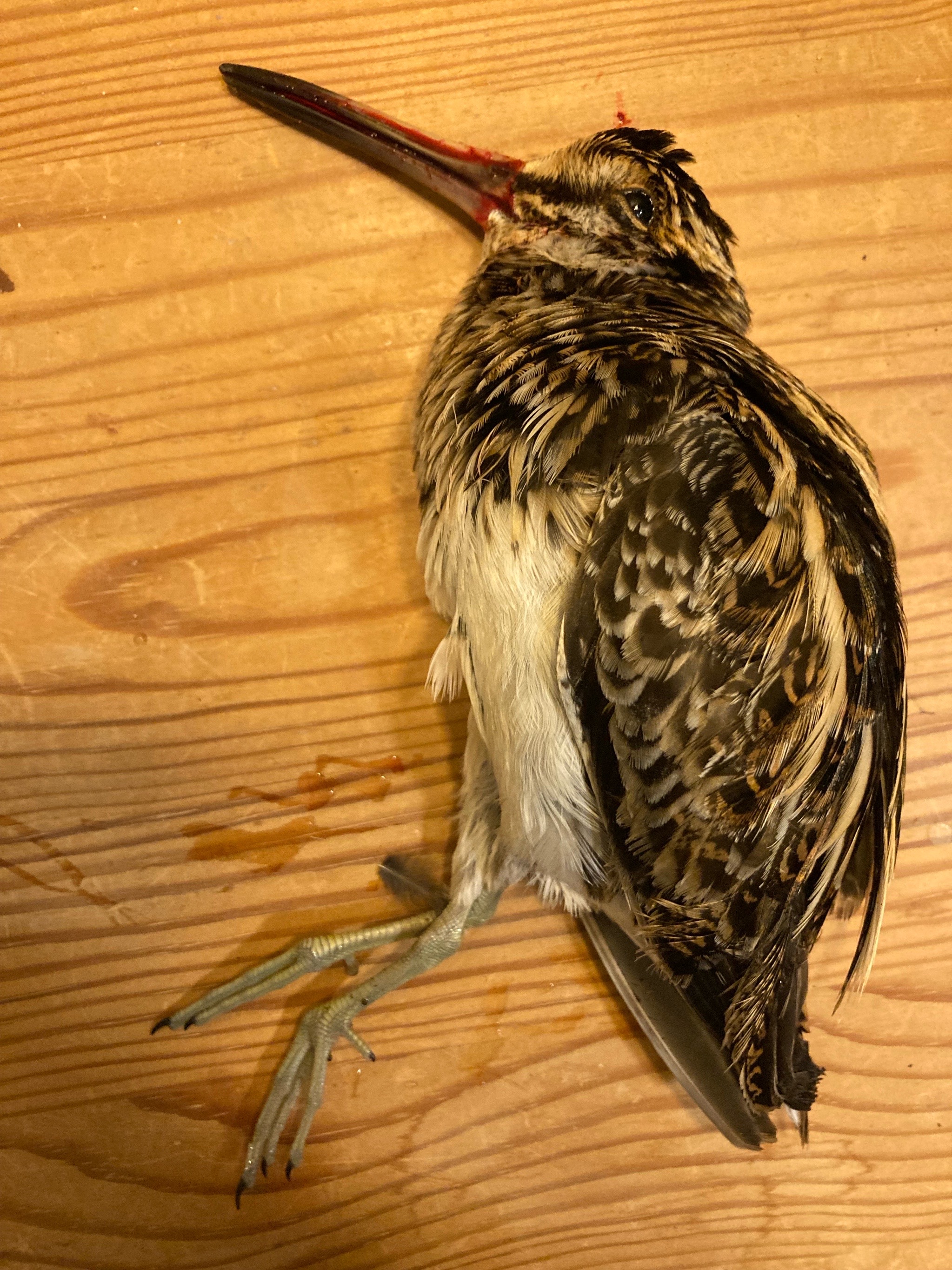


What the Jack Snipe sounds like


ID tip
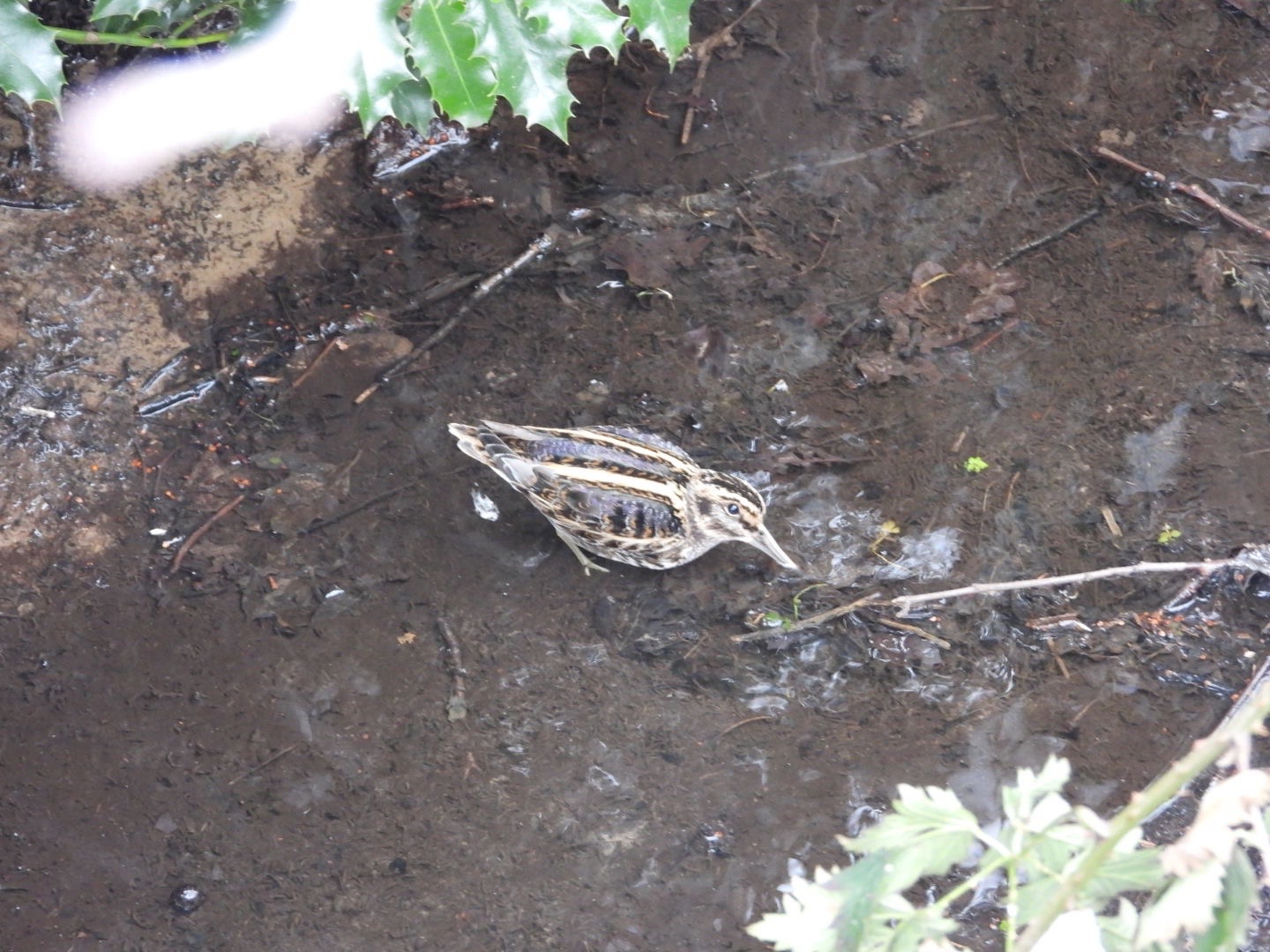
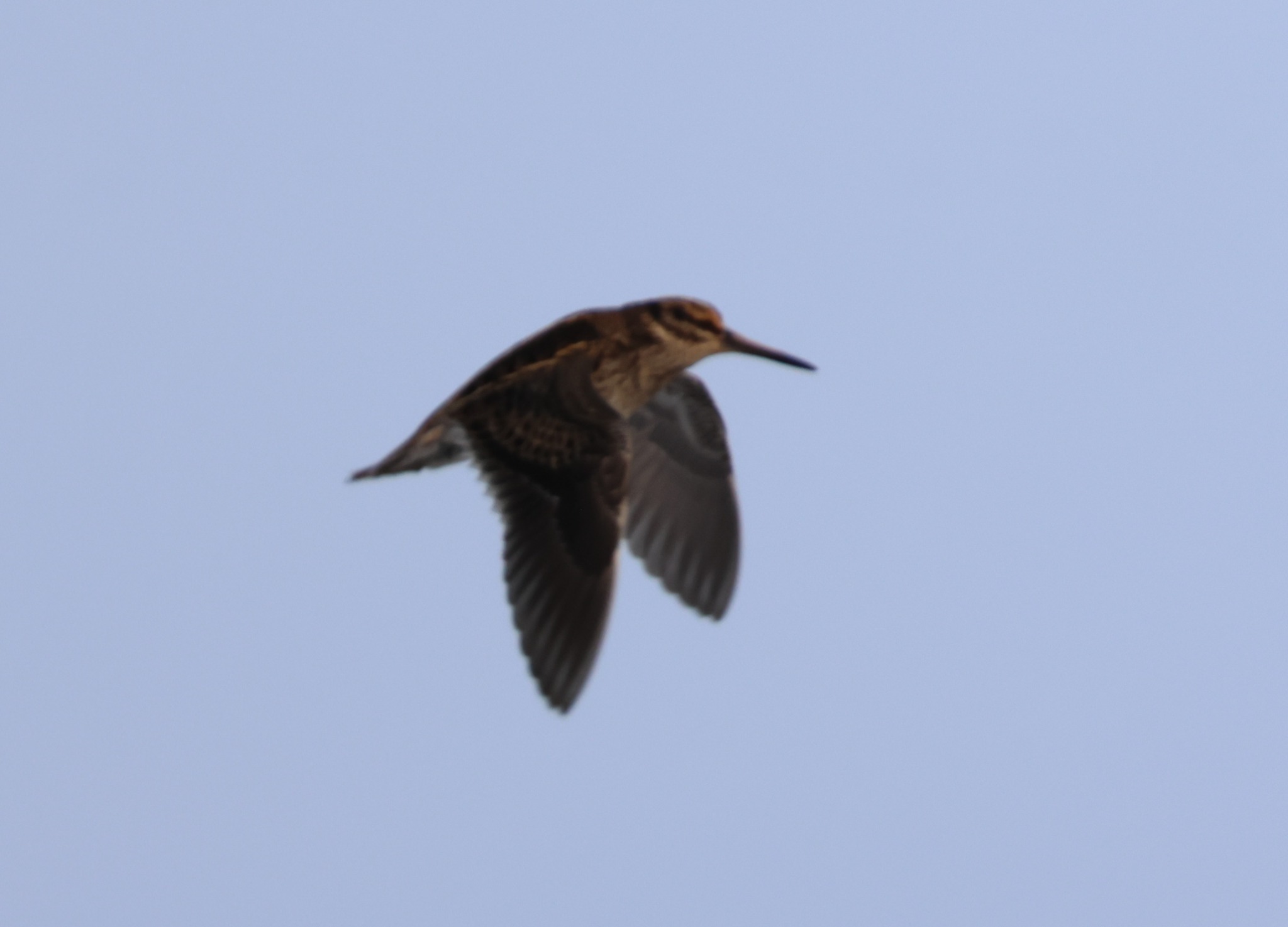
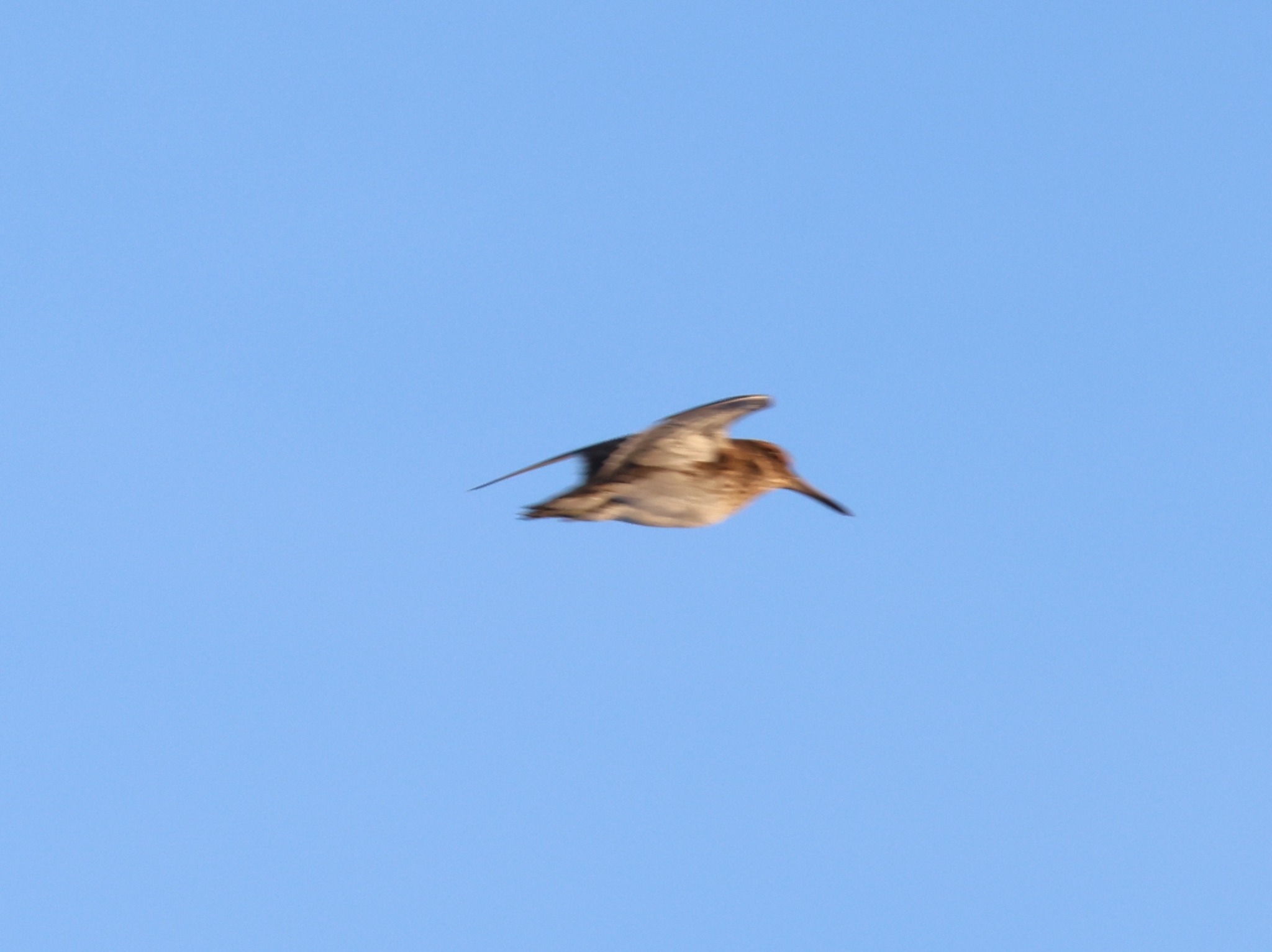
Adults are smaller than common snipes and have relatively shorter bills. The bird's length is 18–25 cm (7.1–9.8 in), wingspan is 30–41 cm (12–16 in) and weight is 33–73 g (1.2–2.6 oz). The body is mottled brown on top and pale underneath. Jack snipes have a dark stripe through the eye. The wings are pointed and narrow, and yellow back stripes are visible in flight. When seen, the distinctive bobbing movement, as if the bird is on springs, has an almost hypnotic quality.
Text from Wikipedia, licensed CC BY-SA 4.0.
When to see the Jack Snipe
One bar for each month. Filled bars are the 9 months with records; pale bars are months with none. The wide bar is October, the month with the most records.
Where to see the Jack Snipe
The map shades 68 countries with regular records, and 11 more in a lighter tone where the bird turns up only as a stray. Everything unshaded has no records. Countries are listed below the map.
Recorded as a rare visitor in United States, Taiwan, Japan, Kenya, Thailand, Mauritania, Cameroon, Ethiopia, Uganda, Sri Lanka, Tajikistan.
About the Jack Snipe
The jack snipe or jacksnipe is a small stocky wader. It is the smallest snipe, and the only member of the genus Lymnocryptes. Features such as its sternum and its continuous 'bobbing up and down' make it quite distinct from other snipes or woodcocks.
Text adapted from Wikipedia, licensed CC BY-SA 4.0.
Easily confused with
 Hudsonian GodwitLimosa haemasticaAdults have long dark legs and a long pink bill with a slight upward curve and dark at the tip.
 Wandering TattlerTringa incanaThe wandering tattler was formally described in 1789 by the German naturalist Johann Friedrich Gmelin in his revised and expanded edition of Carl Linnaeus's Systema Naturae.
 Sharp-tailed SandpiperCalidris acuminataA small-medium wader, the portly sandpiper has a pot belly, flat back and somewhat drawn-out rear end.
Side by side: Hudsonian Godwit vs Jack Snipe · Jack Snipe vs Sharp-tailed Sandpiper · Jack Snipe vs Wandering Tattler
Learn the Jack Snipe in the BeakBrain App
Photo and call practice. Coming soon to iPhone and Android.
Play today's Daily BirdEvery photo and recording on this page is credited to its author under the licence shown. Spotted a problem with this page, or have a better photo? Contribute.