Learn what every symbol on the card means.Full credits and sources at beakbrain.com/symbols
 ForestCup nestMedium · 84 g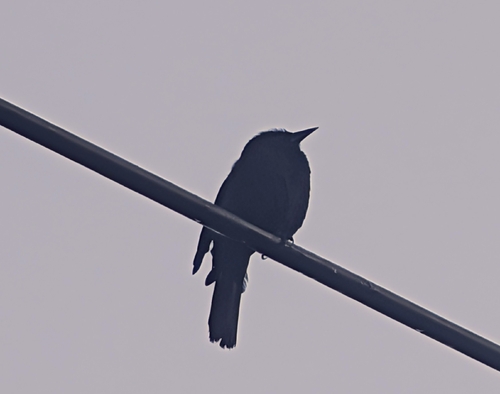
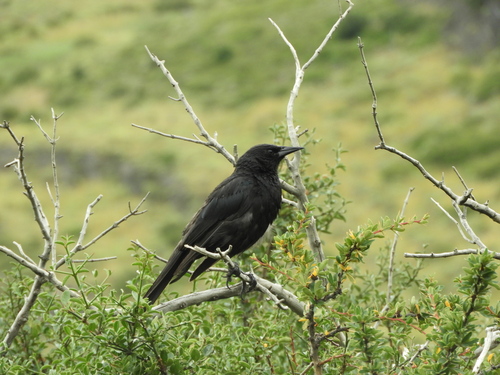

ID tip
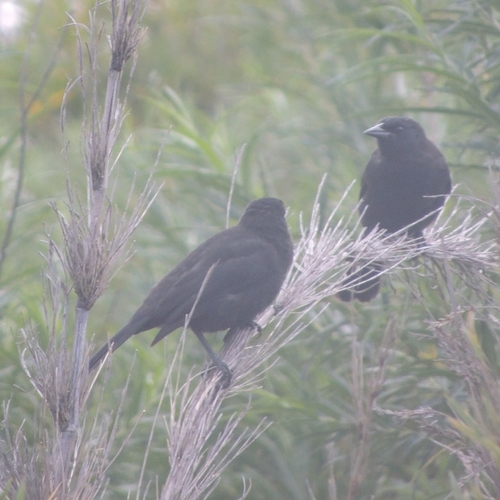
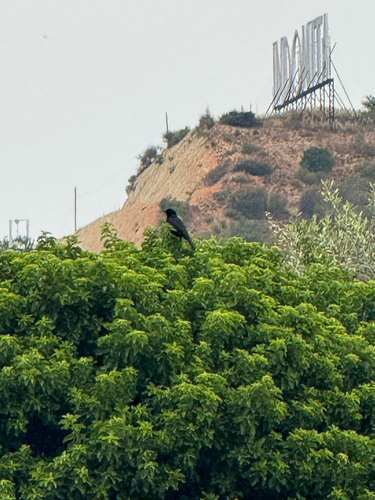
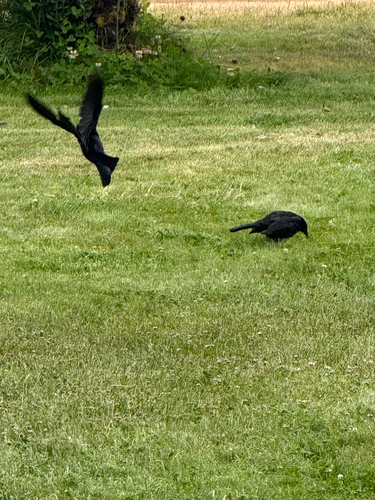
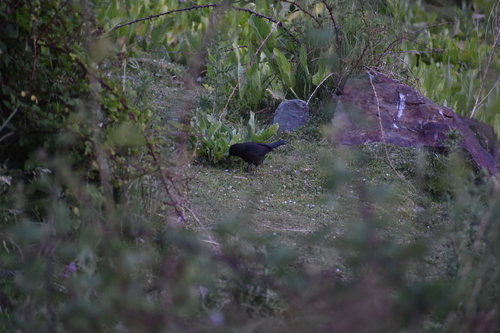
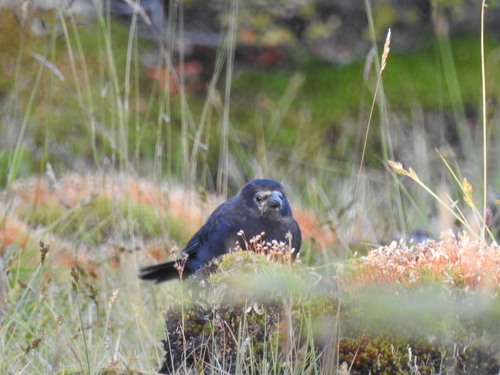
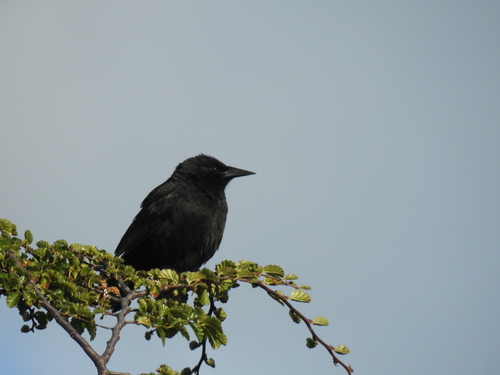
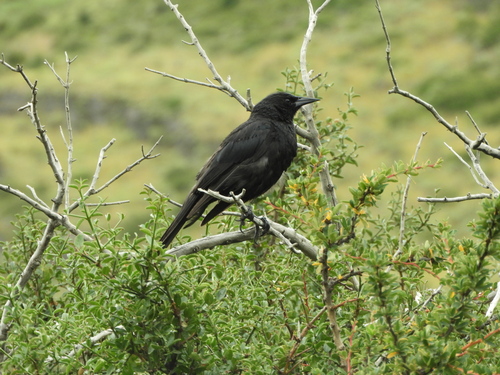
Its plumage is entirely black with a slight bluish hint, and its physical features consist of black legs, black eyes, and a sharp beak with missing pigmentation in the head, chest, and wings. Compared to other birds in its family, the Austral Blackbird has a highly varied voice, and they do a lot of singing and calling together.
Text from Wikipedia, licensed CC BY-SA 4.0.
When to see the Austral Blackbird
One bar for each month, and every month is filled: this bird is recorded here in all twelve. The wide bar is October, the month with the most records.
Where to see the Austral Blackbird
The map shades 2 countries with regular records. Everything unshaded has no records. Countries are listed below the map.
About the Austral Blackbird
The austral blackbird is a species of bird in the family Icteridae. It is found in Argentina and Chile, and it migrates to regions close by. Its natural habitats are temperate forests, subtropical or tropical high-altitude shrubland, and heavily degraded former forest.
Text adapted from Wikipedia, licensed CC BY-SA 4.0.
Easily confused with
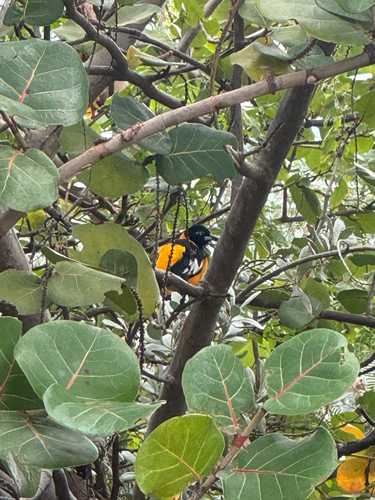 Venezuelan TroupialIcterus icterusVenezuelan troupials are fairly large in size, with a long tail and a bulky bill.
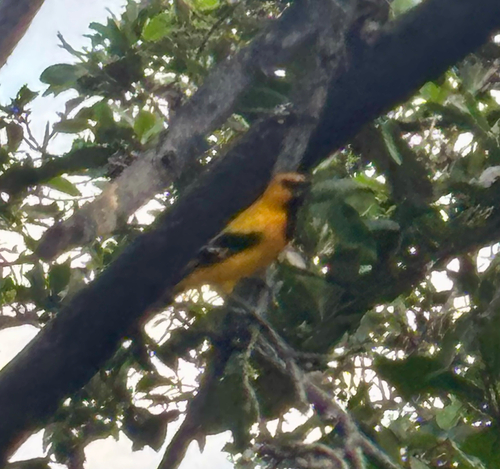 Yellow OrioleIcterus nigrogularisThe yellow oriole is 20 to 21 cm (7.9 to 8.3 in) long and weighs about 38 g (1.3 oz).
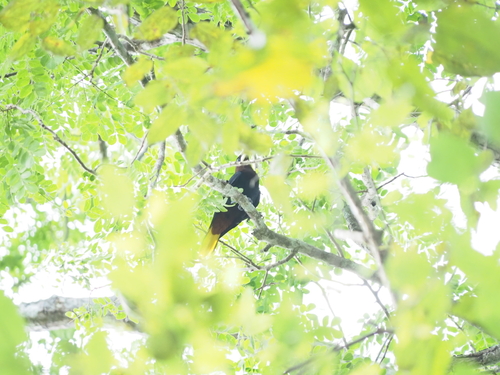 Chestnut-headed OropendolaPsarocolius wagleriChestnut-headed oropendola males average 35 cm (14 in) long and females 28 cm (11 in).
Side by side: Austral Blackbird vs Yellow Oriole · Austral Blackbird vs Venezuelan Troupial · Austral Blackbird vs Chestnut-headed Oropendola
Learn the Austral Blackbird in the BeakBrain App
Photo and call practice. Coming soon to iPhone and Android.
Play today's Daily BirdEvery photo and recording on this page is credited to its author under the licence shown. Spotted a problem with this page, or have a better photo? Contribute.