Learn what every symbol on the card means.Full credits and sources at beakbrain.com/symbols
 WetlandDomed nestSmall · 47 g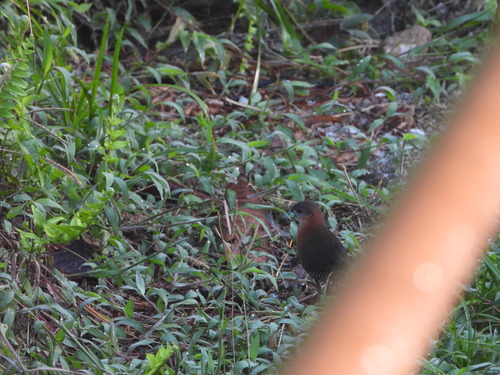


What the White-throated Crake sounds like

ID tip
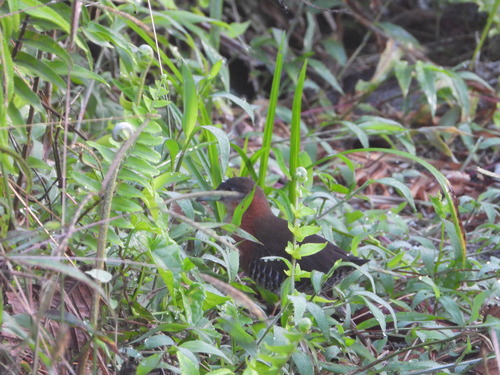
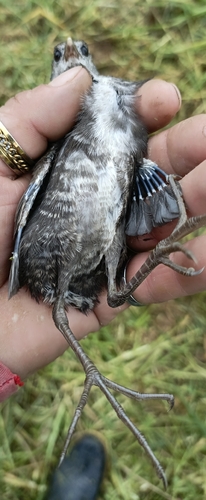
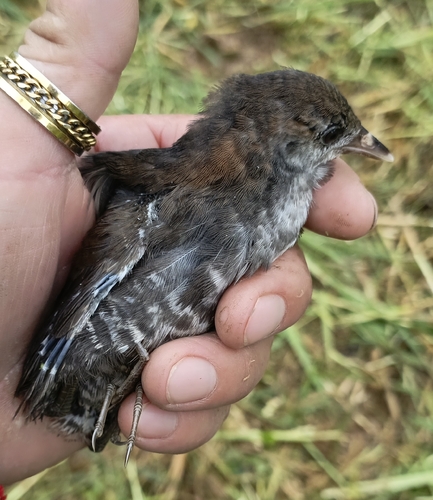
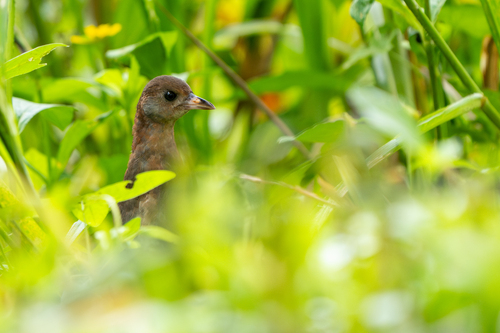
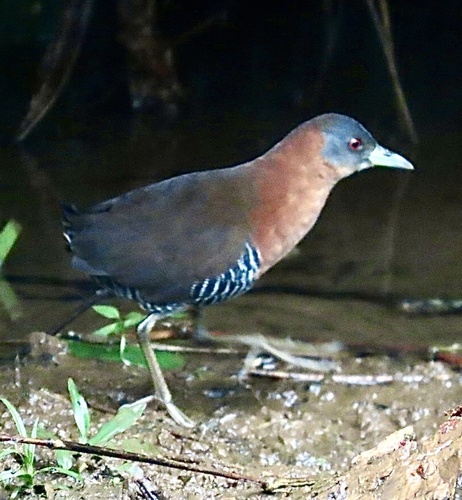
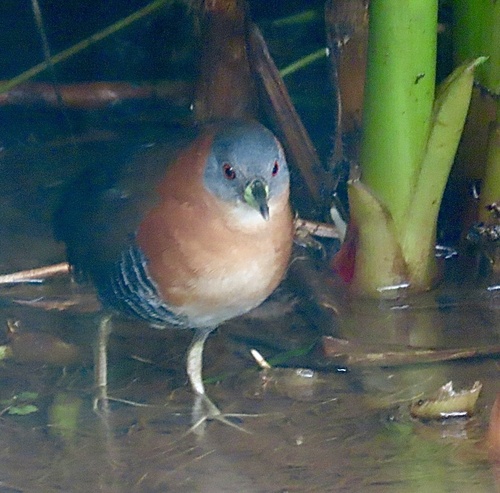
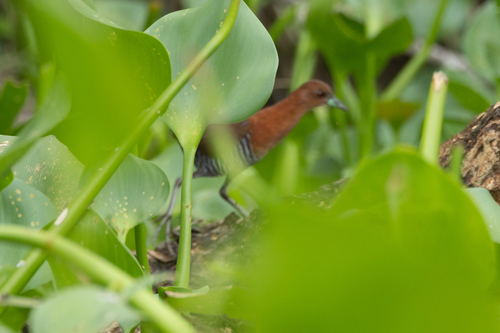
The white-throated crake is 14 to 16 cm (5.5 to 6.3 in) long. Males weigh about 50 g (1.8 oz) and females 45 g (1.6 oz). The sexes are alike. Adults of the nominate subspecies have a white throat and upper breast and a rufous face, sides of the neck, and lower breast. Their crown, nape, and upperparts are olive brown. Their belly, vent, and undertail coverts are barred black and white. Subspecies L. a. cinereiceps has a gray face and L. a. cerdaleus has an entirely rufous head and throat. Voice: The white-throated crake makes an "brupt, explosive descending trill or churr"; its alarm call is "a sharp 'chip'" note.
Text from Wikipedia, licensed CC BY-SA 4.0.
When to see the White-throated Crake
One bar for each month, and every month is filled: this bird is recorded here in all twelve. The wide bar is October, the month with the most records.
Where to see the White-throated Crake
The map shades 7 countries with regular records. Everything unshaded has no records. Countries are listed below the map.
About the White-throated Crake
The white-throated crake is a species of bird in subfamily Rallinae of family Rallidae, the rails, gallinules, and coots. It is found in Colombia, Costa Rica, Ecuador, Honduras, Nicaragua, Panama, and Venezuela.
Text adapted from Wikipedia, licensed CC BY-SA 4.0.
Easily confused with
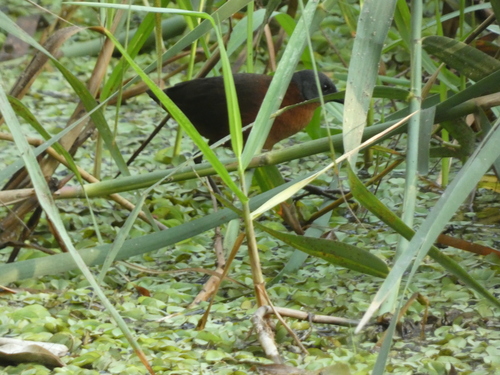 Ruddy CrakeLaterallus ruberThe ruddy crake can be identified by its ruddy plumage that can vary in shade and gray head with dark brown wings and tail.
 Rufous-sided CrakeLaterallus melanophaiusThe rufous-sided crake is 14 to 18 cm (5.5 to 7.1 in) long and weighs about 50 to 60 g (1.8 to 2.1 oz).
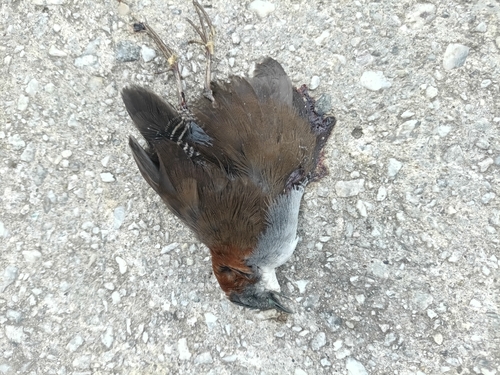 Grey-breasted CrakeLaterallus exilisThe grey-breasted crake is 14 to 15.5 cm (5.5 to 6.1 in) long.
Side by side: Ruddy Crake vs White-throated Crake · Rufous-sided Crake vs White-throated Crake · Grey-breasted Crake vs White-throated Crake
Learn the White-throated Crake in the BeakBrain App
Photo and call practice. Coming soon to iPhone and Android.
Play today's Daily BirdEvery photo and recording on this page is credited to its author under the licence shown. Spotted a problem with this page, or have a better photo? Contribute.