Learn what every symbol on the card means.Full credits and sources at beakbrain.com/symbols
 ShrublandCavity nestMedium · 98 g


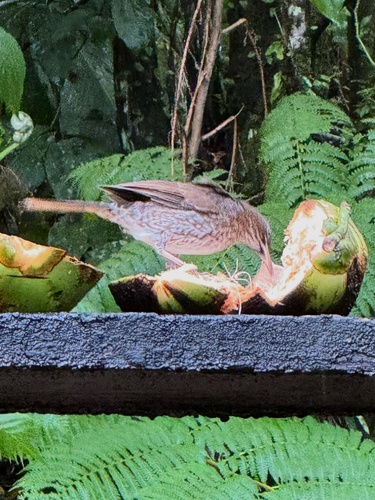
ID tip
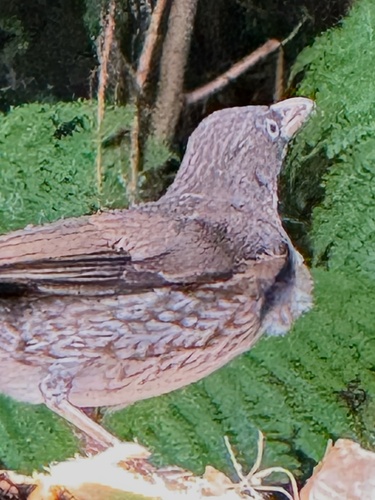
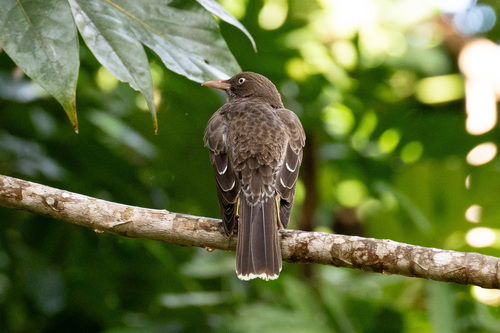
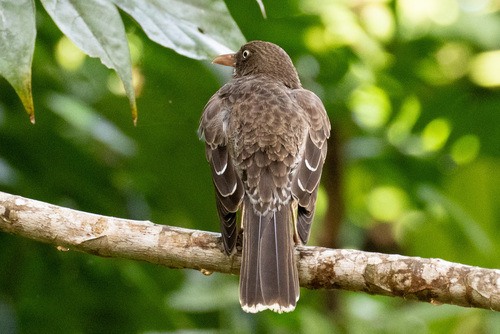
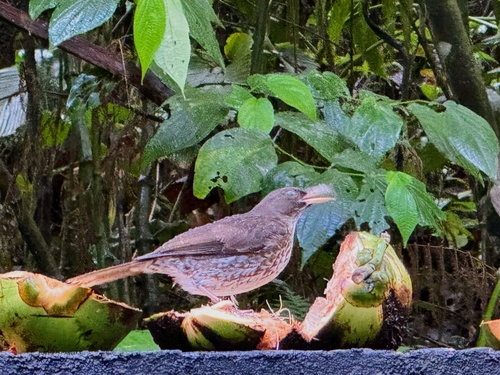
The pearly-eyed thrasher is the largest species in the Mimidae, growing to 28 to 30 cm (11 to 11.8 inches) in length.
Text from Wikipedia, licensed CC BY-SA 4.0.
When to see the Pearly-eyed Thrasher
One bar for each month. Filled bars are the 10 months with records; pale bars are months with none. The wide bar is March, the month with the most records.
Where to see the Pearly-eyed Thrasher
The map shades 20 countries with regular records, and 1 more in a lighter tone where the bird turns up only as a stray. Everything unshaded has no records. Countries are listed below the map.
Recorded as a rare visitor in United States.
About the Pearly-eyed Thrasher
The pearly-eyed thrasher is a bird in the thrasher family Mimidae. It is found on many Caribbean islands, from the Bahamas in the north to the Grenadines in the south, with an isolated subspecies on Bonaire.
Text adapted from Wikipedia, licensed CC BY-SA 4.0.
Easily confused with
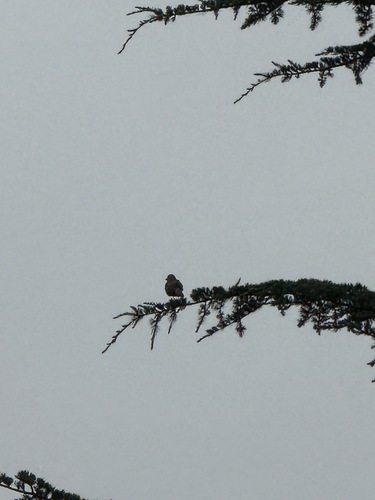 Chilean MockingbirdMimus thencaThe Chilean mockingbird is 28 to 29 cm (11.0 to 11.4 in) long and weighs 66 g (2.3 oz).
 Crissal ThrasherToxostoma crissaleThe bird grows to 32 centimetres (13 in), and has a deeply curved bill.
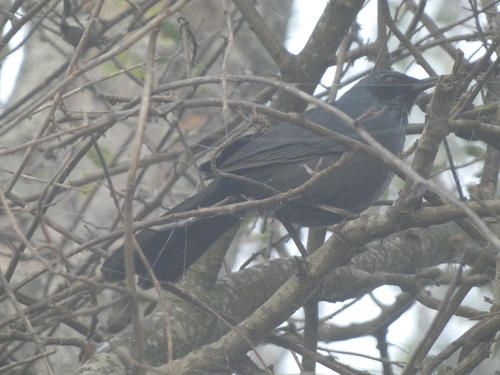 Blue MockingbirdMelanotis caerulescensMeasuring 9.5–10.5 in (24–27 cm) in length, and weighing between 50.2 and 59.7 g (1.77 and 2.11 oz), the blue mockingbird is a medium-sized mimid.
Side by side: Chilean Mockingbird vs Pearly-eyed Thrasher · Crissal Thrasher vs Pearly-eyed Thrasher · Blue Mockingbird vs Pearly-eyed Thrasher
Learn the Pearly-eyed Thrasher in the BeakBrain App
Photo and call practice. Coming soon to iPhone and Android.
Play today's Daily BirdEvery photo and recording on this page is credited to its author under the licence shown. Spotted a problem with this page, or have a better photo? Contribute.