Learn what every symbol on the card means.Full credits and sources at beakbrain.com/symbols
 ShrublandDomed nestTiny · 6 g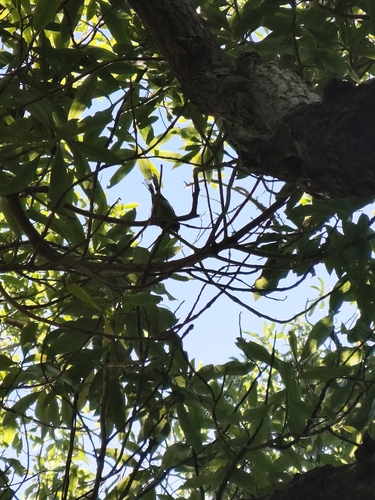
What the Grey Gerygone sounds like


ID tip
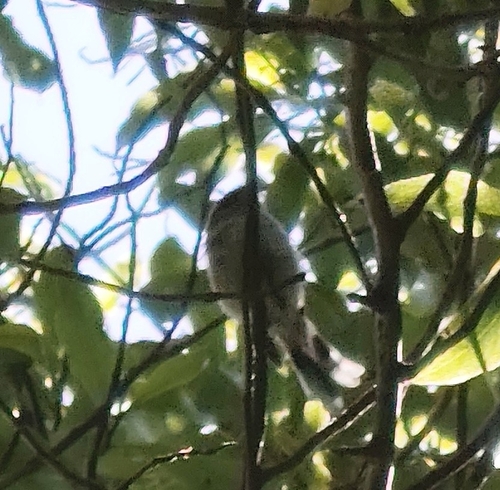
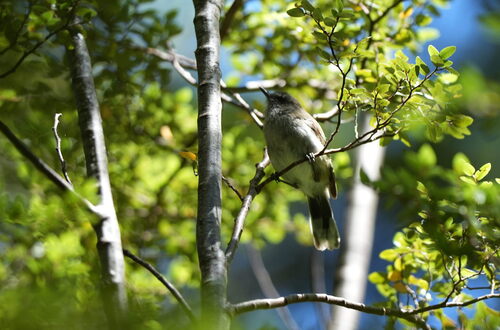
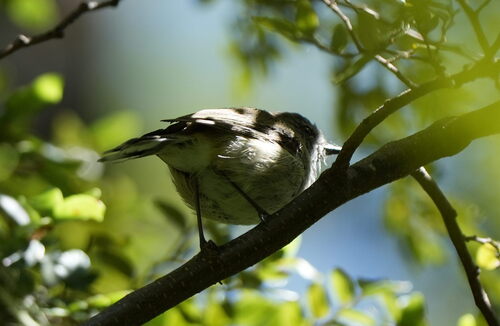
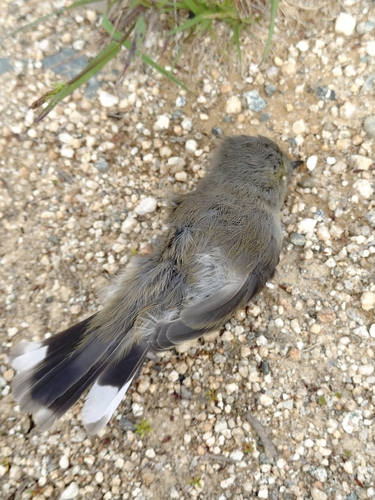
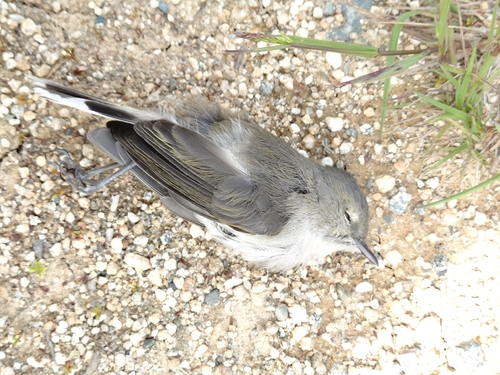
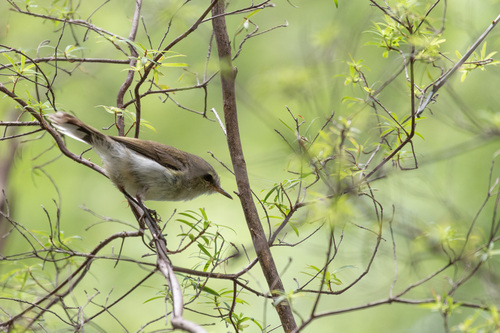
The grey warbler has a long tail that is darker than its grey-brown body, with white tail end markings as well as a white tail underside. There is little sexual dimorphism between males and females, aside from females usually being smaller than males. Warblers are especially small; weighing around 6.5g with an average length of only around 10cm. Adults have a signature ruby red eye, while juveniles have a brown eye, as well as yellowish feathers around the face and underbody. Voice: The male's song often starts with a series of three squeaks and builds into a distinctive long plaintive wavering trill that rises and falls. Only the male warblers sing year-round, to attract mates and defend territory. Male songs are particularly loud during summer and spring, which lines up with the warblers breeding season.
Text from Wikipedia, licensed CC BY-SA 4.0.
When to see the Grey Gerygone
One bar for each month, and every month is filled: this bird is recorded here in all twelve. The wide bar is November, the month with the most records.
Where to see the Grey Gerygone
The map shades 1 country with regular records. Everything unshaded has no records. Countries are listed below the map.
About the Grey Gerygone
The grey warbler, also known by its Māori name riroriro or outside New Zealand as the grey gerygone, is an insectivorous bird in the family Acanthizidae endemic to New Zealand. It is sometimes known as the rainbird. Its natural habitat is forests, but also tends to occupy lower vegetation habitats. These insectivorous birds feed on insects living in shrubs, and often feed on the wing. They are found throughout New Zealand, as well as offshore islands where shrub exists. They also flourish in suburban areas where there is vegetation present.
Text adapted from Wikipedia, licensed CC BY-SA 4.0.
Easily confused with
 Brown GerygoneGerygone moukiThe brown gerygone, previously known as the brown warbler, is a small passerine bird native to eastern coastal Australia.
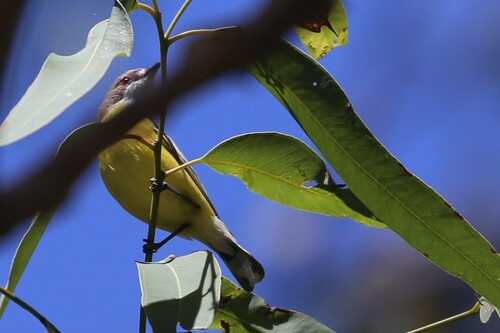 White-throated GerygoneGerygone olivaceaThe white-throated gerygone is a species of bird in the family Acanthizidae.
 Western GerygoneGerygone fuscaThe western gerygone has plain, brownish-grey upperparts, with no prominent wing markings.
Side by side: Grey Gerygone vs Weebill · Grey Gerygone vs Western Gerygone
Learn the Grey Gerygone in the BeakBrain App
Photo and call practice. Coming soon to iPhone and Android.
Play today's Daily BirdEvery photo and recording on this page is credited to its author under the licence shown. Spotted a problem with this page, or have a better photo? Contribute.