Learn what every symbol on the card means.Full credits and sources at beakbrain.com/symbols
 WoodlandPlatform nestMedium · 132 g




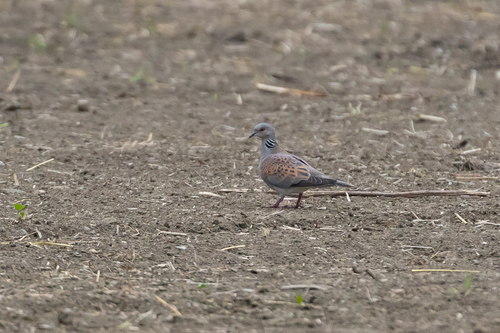
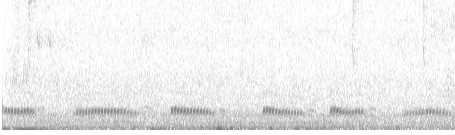
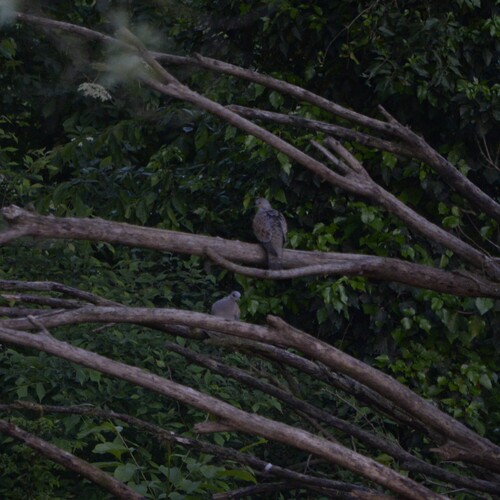
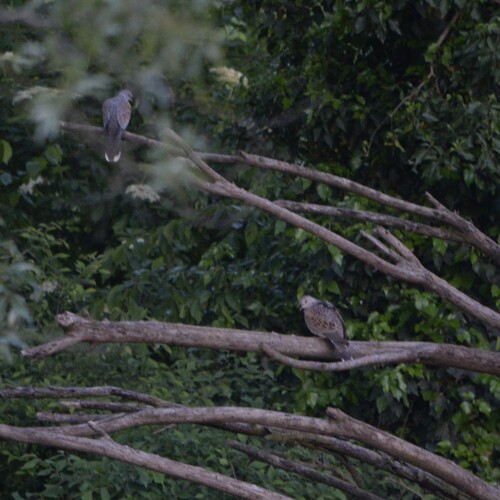
What the European Turtle Dove sounds like


ID tip
The European turtle dove is smaller and more slender than many other doves. It measures 26–28 cm (10–11 in) in length, has a wingspan of 47–53 cm (19–21 in) and weighs 100–156 g (3.5–5.5 oz). It can be recognised by its brown colouring and the black-and-white-striped patch on the side of its neck. When the bird flies from the observer, the tail is notable as it is wedge-shaped with a dark centre and white borders and tips. When viewed from below, the pattern, due to the white under-tail coverts obscuring the dark bases, resembles a blackish chevron on a white background.
Text from Wikipedia, licensed CC BY-SA 4.0.
When to see the European Turtle Dove
One bar for each month. Filled bars are the 6 months with records; pale bars are months with none. The wide bar is May, the month with the most records.
Where to see the European Turtle Dove
The map shades 97 countries with regular records, and 7 more in a lighter tone where the bird turns up only as a stray. Everything unshaded has no records. Countries are listed below the map.
Recorded as a rare visitor in United States, Mongolia, South Africa, India, Eritrea, Seychelles, Uganda.
About the European Turtle Dove
The European turtle dove is a threatened or vulnerable member of the bird family Columbidae, the doves and pigeons. It breeds over a wide area of the south western Palearctic including north Africa but migrates to northern sub-Saharan Africa to winter.
Text adapted from Wikipedia, licensed CC BY-SA 4.0.
Easily confused with
 Red Collared DoveStreptopelia tranquebaricaThe red collared dove is a relatively small species, with a length of 20.5–23 cm (8.1–9.1 in) and a weight of around 104 g (3.7 oz).
 Red-eyed DoveStreptopelia semitorquataThe red-eyed dove's pale bluish gray forehead merges into a darker hue on the crown.
 Oriental Turtle DoveStreptopelia orientalisThe Oriental dove is very similar in plumage to the Turtle dove.
Side by side: Eurasian Collared Dove vs European Turtle Dove · European Turtle Dove vs Ring-necked Dove · European Turtle Dove vs Red-eyed Dove · European Turtle Dove vs Red Collared Dove · European Turtle Dove vs Oriental Turtle Dove
Learn the European Turtle Dove in the BeakBrain App
Photo and call practice. Coming soon to iPhone and Android.
Play today's Daily BirdEvery photo and recording on this page is credited to its author under the licence shown. Spotted a problem with this page, or have a better photo? Contribute.