Learn what every symbol on the card means.Full credits and sources at beakbrain.com/symbols
 GrasslandScrapeHuge · 34.1 kg


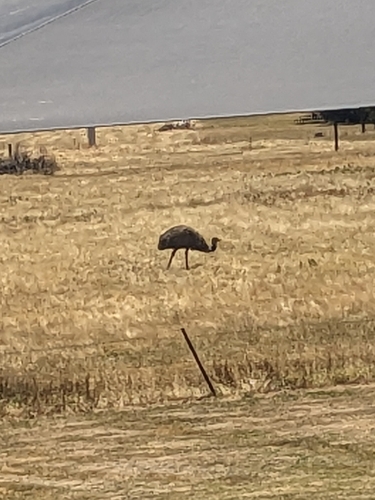
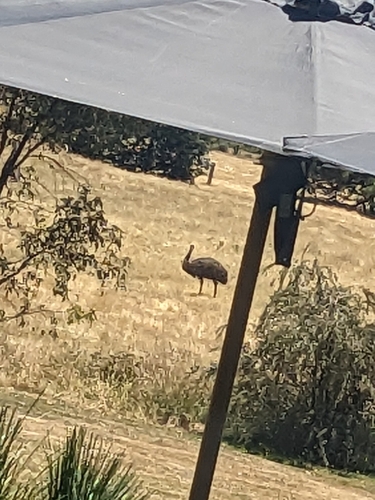
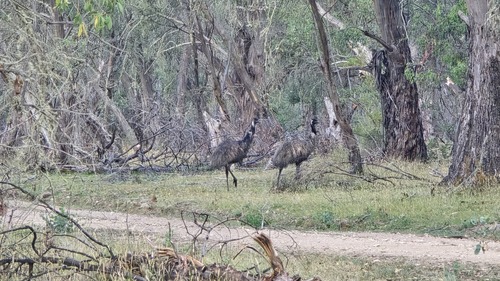
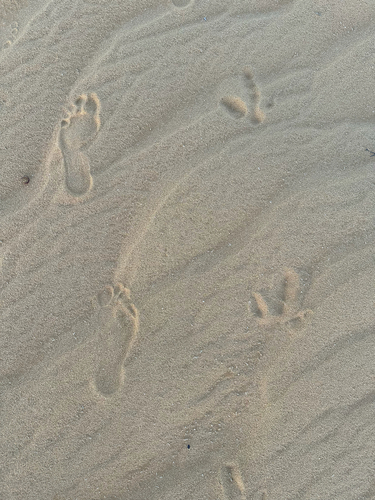
ID tip
The emu is the second tallest bird in the world, only being exceeded in height by the ostrich; the largest individuals can reach up to 150 to 190 cm (59 to 75 in) in height. Measured from the bill to the tail, emus range in length from 139 to 164 cm (55 to 65 in), with males averaging 148.5 cm (58.5 in) and females averaging 156.8 cm (61.7 in). Emus are the fourth or fifth heaviest living bird after the two species of ostrich and two larger species of cassowary, weighing slightly more on average than an emperor penguin.
Text from Wikipedia, licensed CC BY-SA 4.0.
When to see the Emu
One bar for each month, and every month is filled: this bird is recorded here in all twelve. The wide bar is September, the month with the most records.
Where to see the Emu
The map shades 3 countries with regular records, and 5 more in a lighter tone where the bird turns up only as a stray. Everything unshaded has no records. Countries are listed below the map.
Recorded as a rare visitor in United States, Germany, India, Brazil, Spain.
About the Emu
The emu is a species of flightless bird endemic to Australia, where it is the tallest native bird. It is the only extant member of the genus Dromaius and the third-tallest living bird after its African ratite relatives, the common ostrich and Somali ostrich. The emu's native ranges cover most of the Australian mainland. The Tasmanian, Kangaroo Island and King Island subspecies became extinct after the European settlement of Australia in 1788.
Text adapted from Wikipedia, licensed CC BY-SA 4.0.
Easily confused with
 Southern CassowaryCasuarius casuariusThe adult southern cassowary has stiff, bristly black plumage, a blue face and a long neck, red on the cape and two red wattles measuring up to 18 cm (7.1 in) in length hanging down around its throat.
 Northern CassowaryCasuarius unappendiculatusThe northern cassowary has a hard and stiff black plumage, blue facial skin and a casque on top of the head.
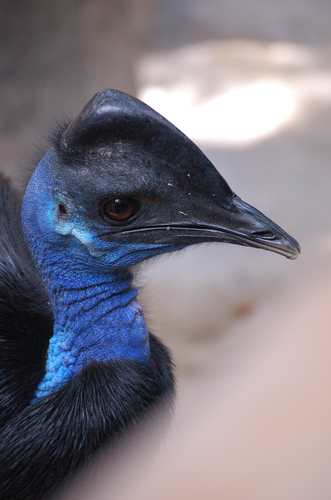 Dwarf CassowaryCasuarius bennettiThe dwarf cassowary is a large bird but is smaller than other living cassowaries (the southern cassowary and northern cassowary).
Side by side: Emu vs Southern Cassowary
Learn the Emu in the BeakBrain App
Photo and call practice. Coming soon to iPhone and Android.
Play today's Daily BirdEvery photo and recording on this page is credited to its author under the licence shown. Spotted a problem with this page, or have a better photo? Contribute.