Learn what every symbol on the card means.Full credits and sources at beakbrain.com/symbols
 WoodlandCup nestSmall · 16 g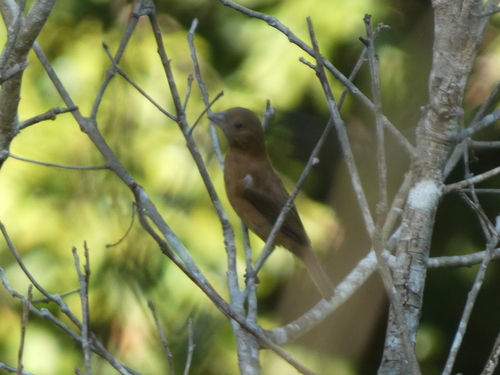


ID tip
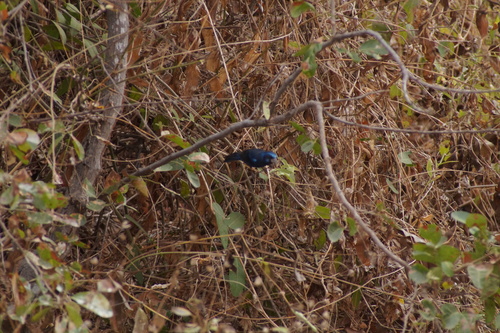
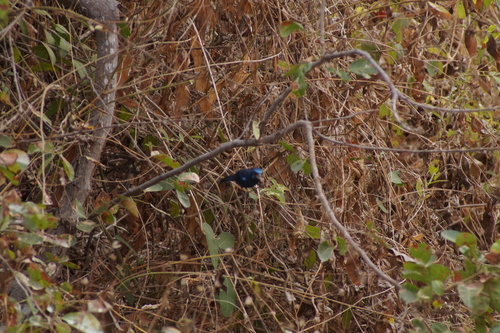
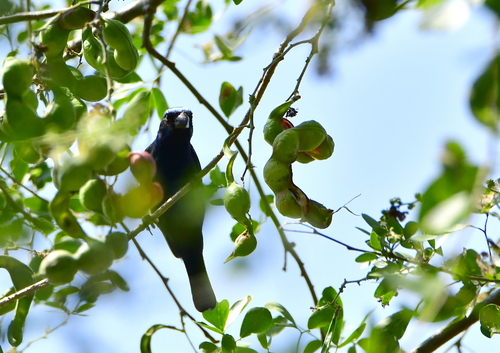
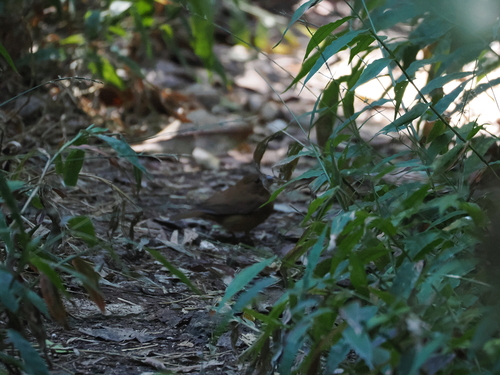
The nominate subspecies of blue bunting is 13 to 14 cm (5.1 to 5.5 in) long. Males weigh 11 to 24 g (0.39 to 0.85 oz) and females 9.8 to 21 g (0.35 to 0.74 oz). The nominate male is various shades of blue, sky blue on the forehead and cheek, blackish blue on the upperparts, ultramarine on the rump, and the underparts from chin to belly deep blue. The adult and immature females are overall dull brownish, with a reddish tinge to the belly. The immature male is overall gray-blue with a brownish wash on the belly. Compared to the nominate, the C. p. Voice: The blue bunting's song is "a sweet, rather sad warble" . Its call is a metallic note .
Text from Wikipedia, licensed CC BY-SA 4.0.
When to see the Blue Bunting
One bar for each month. Filled bars are the 9 months with records; pale bars are months with none. The wide bar is March, the month with the most records.
Where to see the Blue Bunting
The map shades 6 countries with regular records, and 1 more in a lighter tone where the bird turns up only as a stray. Everything unshaded has no records. Countries are listed below the map.
Recorded as a rare visitor in United States.
About the Blue Bunting
The blue bunting is a species of passerine in the family Cardinalidae, the cardinals or cardinal grosbeaks. It is found in Belize, El Salvador, Guatemala, Honduras, Mexico, and Nicaragua.
Text adapted from Wikipedia, licensed CC BY-SA 4.0.
Easily confused with
 Golden GrosbeakPheucticus chrysogasterThe body averages 21 cm (8.3 in) in length.
 Ultramarine GrosbeakCyanoloxia brissoniiThese birds are 15 cm long.
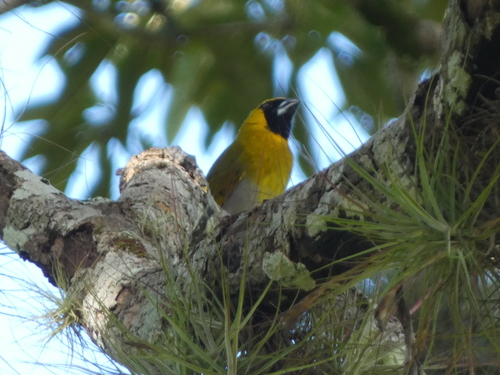 Black-faced GrosbeakCaryothraustes poliogasterThe adult black-faced grosbeak is 16.5 cm long, weighs 36 g, and has a heavy, mainly black, bill.
Side by side: Blue Bunting vs Golden Grosbeak · Blue Bunting vs Ultramarine Grosbeak · Black-faced Grosbeak vs Blue Bunting
Learn the Blue Bunting in the BeakBrain App
Photo and call practice. Coming soon to iPhone and Android.
Play today's Daily BirdEvery photo and recording on this page is credited to its author under the licence shown. Spotted a problem with this page, or have a better photo? Contribute.