Learn what every symbol on the card means.Full credits and sources at beakbrain.com/symbols
 ForestSmall · 29 g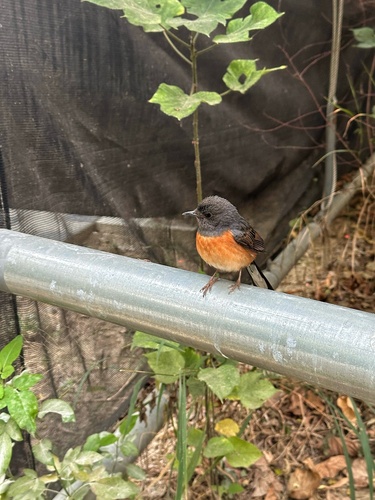


ID tip
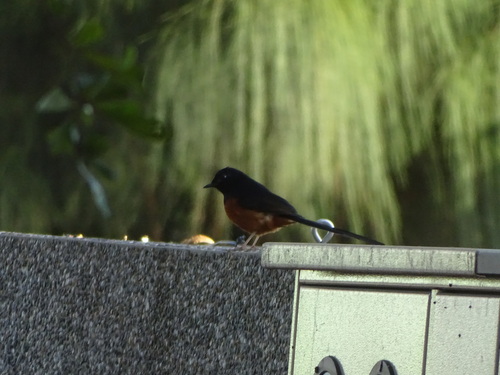
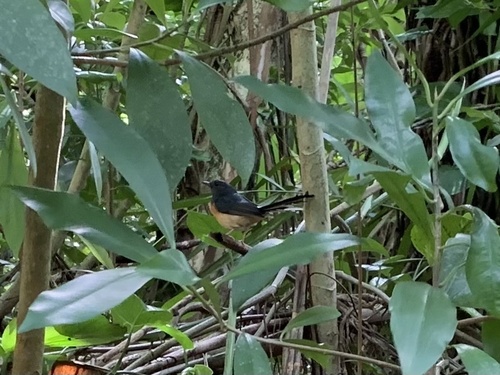
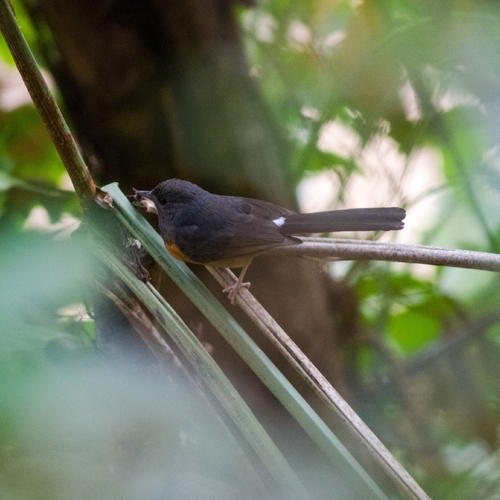
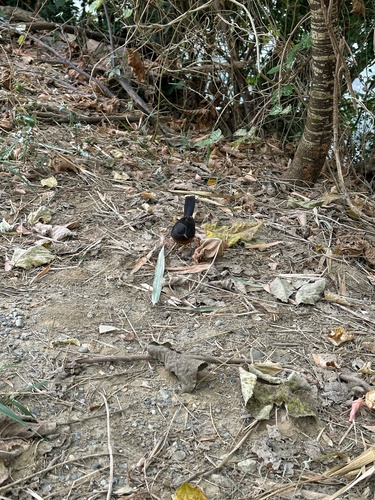
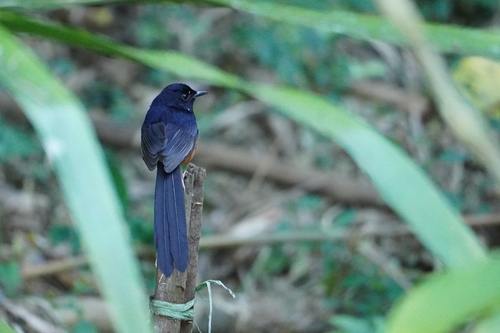
They typically weigh between 28 and 34 g (1.0 and 1.2 oz) and are around 23–28 cm (9–11 in) in length. Males are glossy black with a chestnut belly and white feathers on the rump and outer tail. Females are more greyish-brown, and are typically shorter than males. Both sexes have a black bill and pink feet. Juveniles have a greyish-brown colouration, similar to that of the females, with a blotchy or spotted chest. Voice: The voice of this species is rich and melodious which makes them popular as cage birds in South Asia with the tradition continuing in parts of Southeast Asia. It is loud and clear, with a variety of phrases, and often mimics other birds. They also make a 'Tck' call in alarm or when foraging. The earliest known recording of bird song was made of an individual of this species in 1889 by Ludwig Koch.
Text from Wikipedia, licensed CC BY-SA 4.0.
When to see the White-rumped Shama
One bar for each month. Filled bars are the 10 months with records; pale bars are months with none. The wide bar is March, the month with the most records.
Where to see the White-rumped Shama
The map shades 18 countries with regular records. Everything unshaded has no records. Countries are listed below the map.
About the White-rumped Shama
The white-rumped shama is a passerine bird in the Old World flycatcher family Muscicapidae. Native to densely vegetated habitats in the Indian subcontinent and Southeast Asia, its popularity as a cage-bird and songster has led to it being introduced elsewhere. The Larwo shama, the Kangean shama and the Sri Lanka shama were formerly considered to be conspecific with the white-rumped shama.
Text adapted from Wikipedia, licensed CC BY-SA 4.0.
Easily confused with
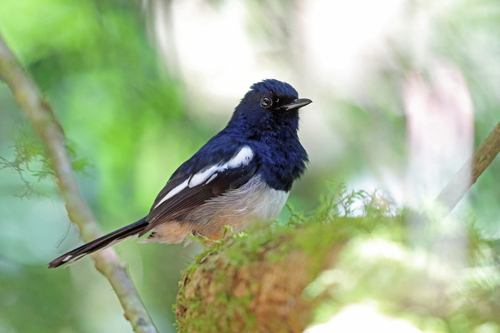 Madagascar Magpie-RobinCopsychus albospecularisThe Madagascar magpie-robin is around 18 cm (7 in) in length and weighs 21 to 24 g (0.74–0.85 oz).
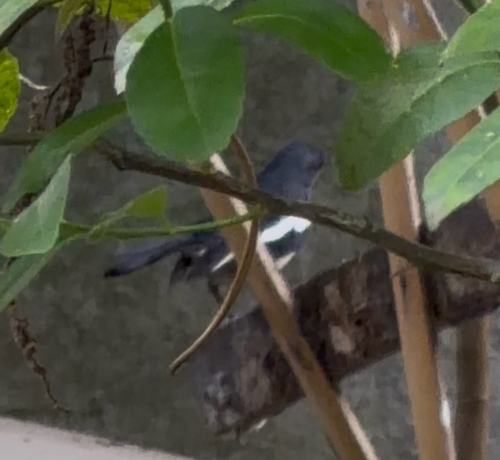 Philippine Magpie-RobinCopsychus mindanensisThe Philippine magpie-robin is a species of bird in the family Muscicapidae.
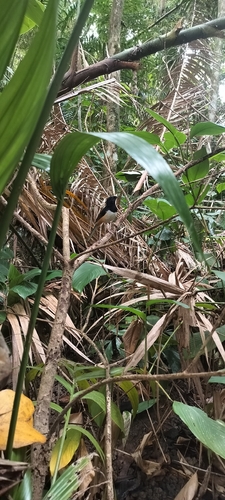 Andaman ShamaCopsychus albiventrisThe Andaman shama is a small bird with a body shape similar to that of a thrush.
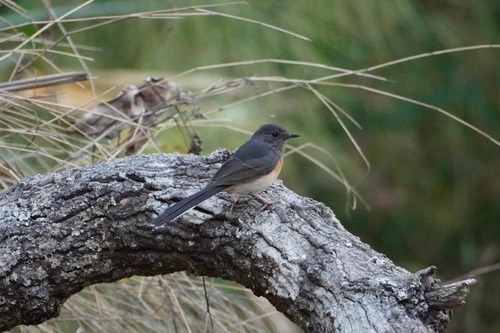
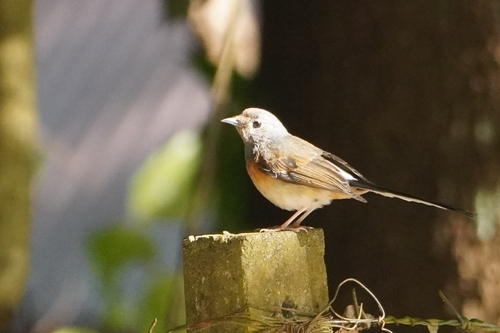
Side by side: Oriental Magpie-Robin vs White-rumped Shama · Indian Robin vs White-rumped Shama · Madagascar Magpie-Robin vs White-rumped Shama · Andaman Shama vs White-rumped Shama
Learn the White-rumped Shama in the BeakBrain App
Photo and call practice. Coming soon to iPhone and Android.
Play today's Daily BirdEvery photo and recording on this page is credited to its author under the licence shown. Spotted a problem with this page, or have a better photo? Contribute.