Learn what every symbol on the card means.Full credits and sources at beakbrain.com/symbols
 ForestCavity nestTiny · 8 g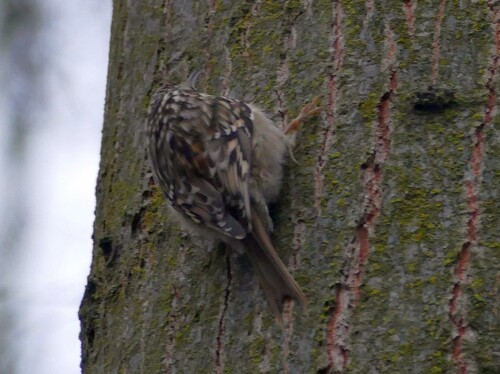

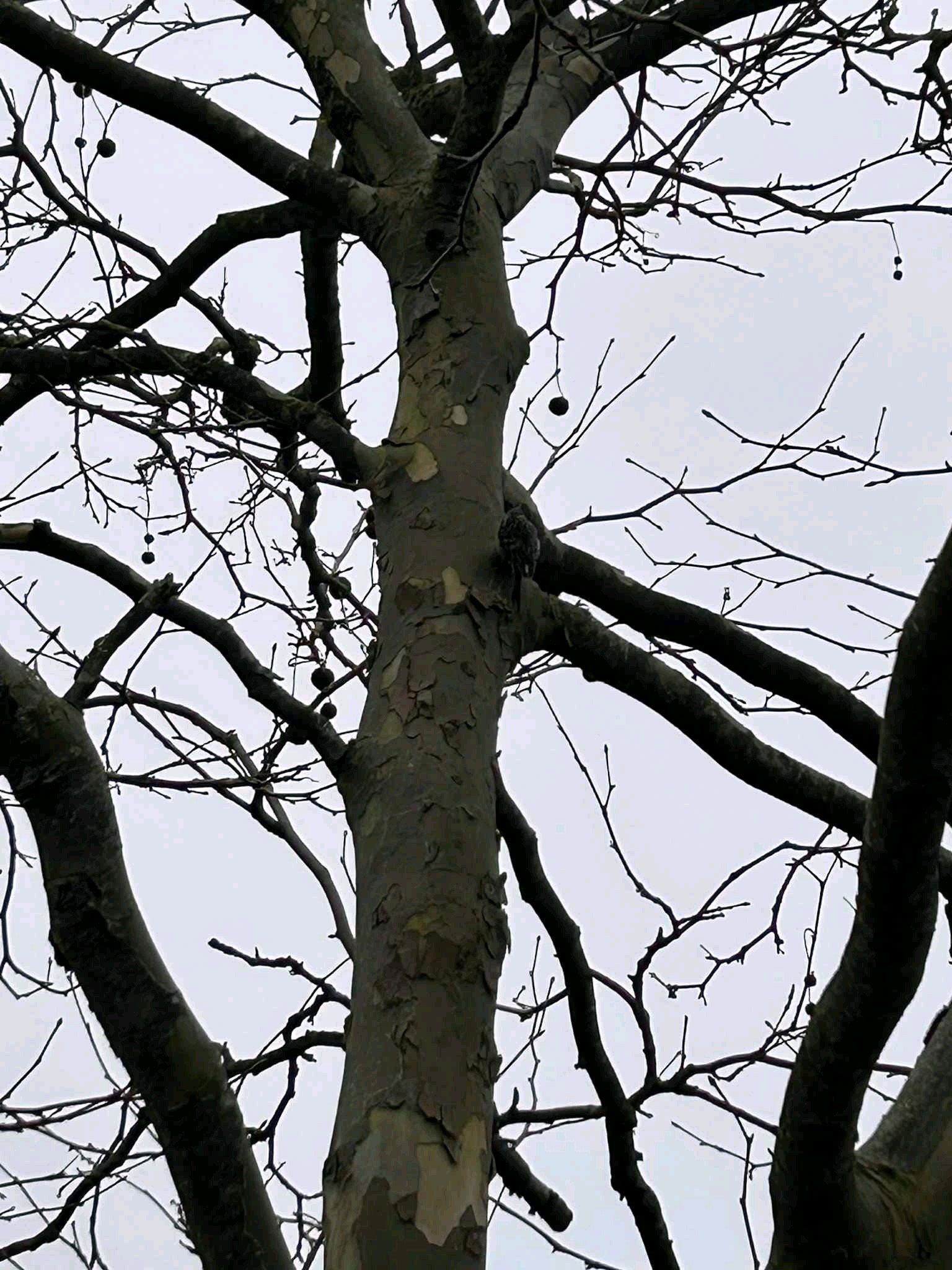
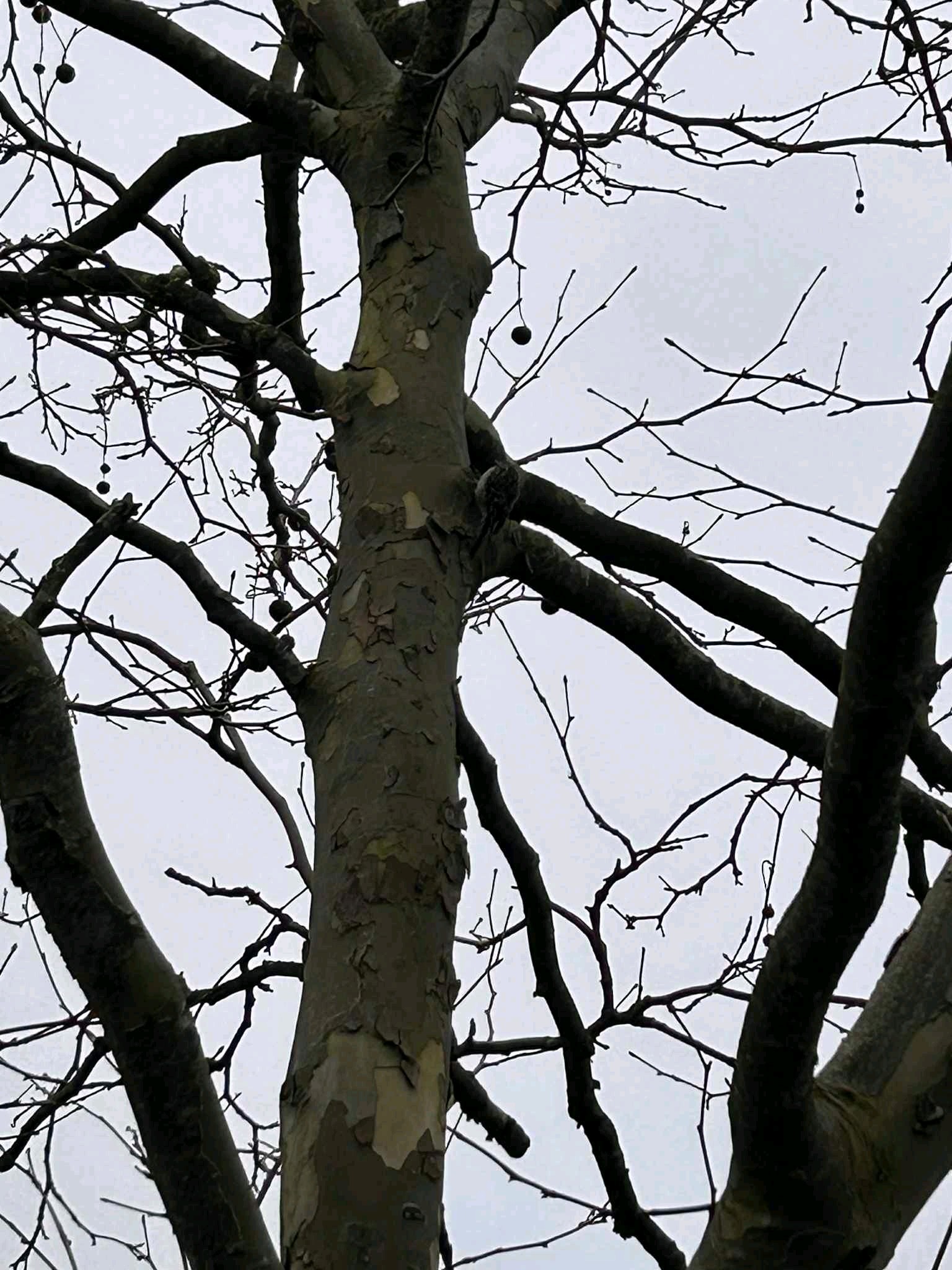


What the Short-toed Treecreeper sounds like


ID tip
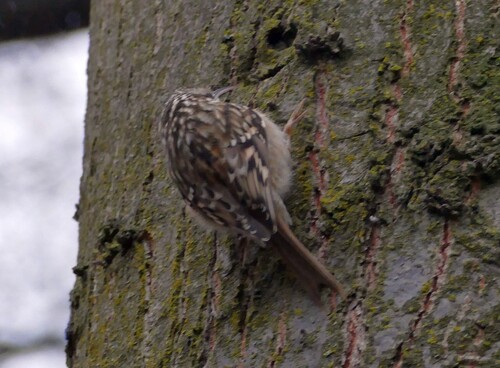
All the treecreepers are similar in appearance, being small birds with streaked and spotted brown upperparts, rufous rumps and whitish underparts. They have long decurved bills, and long stiff tail feathers which provide support as they creep up tree trunks looking for insects. The short-toed treecreeper is 12.5 centimetres (4.9 inches) long and weighs 7.5–11 g (0.26–0.39 oz). It has dull grey-brown upperparts intricately patterned with black, buff and white, a weak off-white supercilium and dingy underparts contrasting with the white throat.
Text from Wikipedia, licensed CC BY-SA 4.0.
When to see the Short-toed Treecreeper
One bar for each month, and every month is filled: this bird is recorded here in all twelve. The wide bar is May, the month with the most records.
Where to see the Short-toed Treecreeper
The map shades 43 countries with regular records, and 1 more in a lighter tone where the bird turns up only as a stray. Everything unshaded has no records. Countries are listed below the map.
Recorded as a rare visitor in United Kingdom.
About the Short-toed Treecreeper
The short-toed treecreeper is a small passerine bird found in woodlands through much of the warmer regions of Europe and into north Africa. It has a generally more southerly distribution than the other European treecreeper species, the common treecreeper, with which it is easily confused where they both occur. The short-toed treecreeper tends to prefer deciduous trees and lower altitudes than its relative in these overlap areas. Although mainly sedentary, vagrants have occurred outside the breeding range.
Text adapted from Wikipedia, licensed CC BY-SA 4.0.
Easily confused with
 Eurasian TreecreeperCerthia familiarisSimilar in appearance, all treecreepers are small birds with streaked and spotted brown upperparts, rufous rumps and whitish underparts.
 Bar-tailed TreecreeperCerthia himalayanaThe bar-tailed treecreeper has a flecked or striped feather pattern, usually in black, brown, white and red hues.
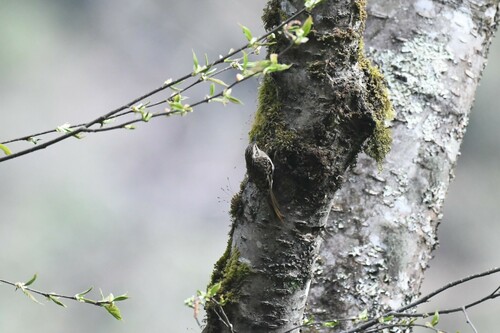 Sikkim TreecreeperCerthia discolorThe Sikkim treecreeper is a species of bird in the treecreeper family.
Side by side: Brown Creeper vs Short-toed Treecreeper · Eurasian Treecreeper vs Short-toed Treecreeper · Bar-tailed Treecreeper vs Short-toed Treecreeper
Learn the Short-toed Treecreeper in the BeakBrain App
Photo and call practice. Coming soon to iPhone and Android.
Play today's Daily BirdEvery photo and recording on this page is credited to its author under the licence shown. Spotted a problem with this page, or have a better photo? Contribute.