Learn what every symbol on the card means.Full credits and sources at beakbrain.com/symbols
 ForestDomed nestSmall · 29 g
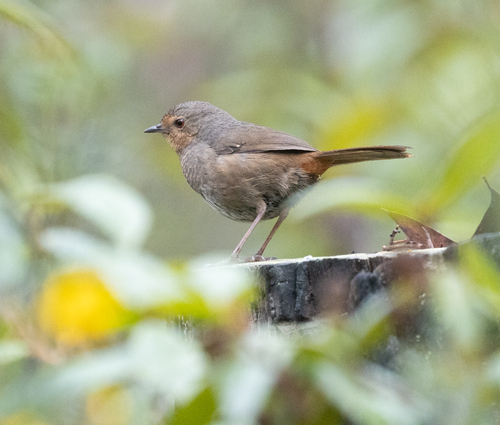
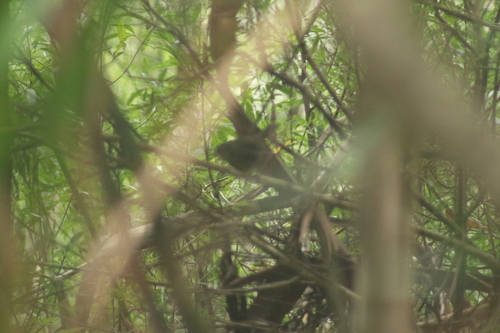
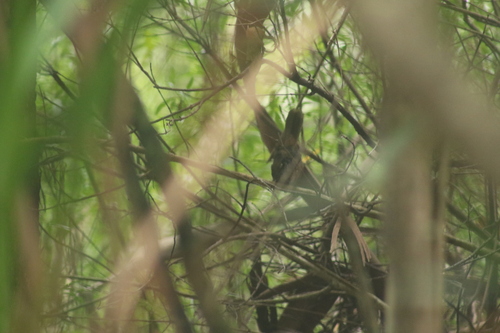
ID tip
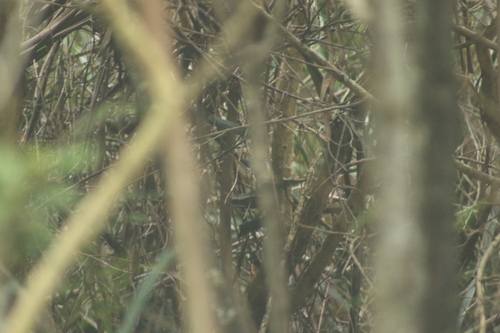
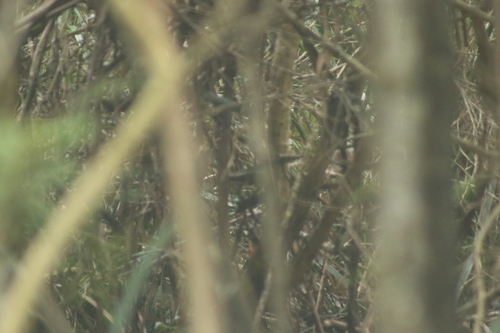
The pilotbird is a large, plump species of acanthizid, measuring around 18 centimetres (7.1 in) in length and weighing 27 grams (0.95 oz). The plumage of the underparts is reddish-brown with scalloping on the chest and the centre of the belly speckled dull white. The upperparts are chocolate-brown. The bill is short and finely pointed. Its tail is broad and semi-erect, and flicked up and down when feeding.
Text from Wikipedia, licensed CC BY-SA 4.0.
When to see the Pilotbird
One bar for each month. Filled bars are the 10 months with records; pale bars are months with none. The wide bar is January, the month with the most records.
Where to see the Pilotbird
The map shades 1 country with regular records. Everything unshaded has no records. Countries are listed below the map.
About the Pilotbird
The pilotbird is a species of passerine bird in the family Acanthizidae. It is monotypic within the genus Pycnoptilus. The species is endemic to south-eastern Australia.
Text adapted from Wikipedia, licensed CC BY-SA 4.0.
Easily confused with
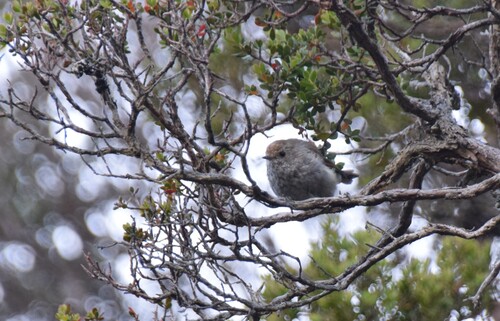 Tasmanian ThornbillAcanthiza ewingiiThe Tasmanian Thornbill is olive-brown above, darkening toward the back and tail, and can exhibit a patch of reddish-brown colouration on the forehead.
 Green-backed GerygoneGerygone chloronotaThe green-backed gerygone is a species of bird in the family Acanthizidae found in northern Australia and New Guinea.
 Chestnut-rumped HeathwrenHylacola pyrrhopygiaThe chestnut-rumped heathwren is a small bushland bird with an olive-brown back with conspicuous reddish-brown rump and tail coverts.
Side by side: Pilotbird vs Tasmanian Thornbill · Chestnut-rumped Heathwren vs Pilotbird
Learn the Pilotbird in the BeakBrain App
Photo and call practice. Coming soon to iPhone and Android.
Play today's Daily BirdEvery photo and recording on this page is credited to its author under the licence shown. Spotted a problem with this page, or have a better photo? Contribute.