Learn what every symbol on the card means.Full credits and sources at beakbrain.com/symbols
 ShrublandScrapeSmall · 49 g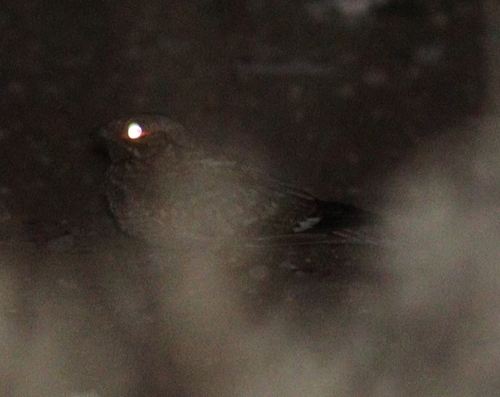

ID tip
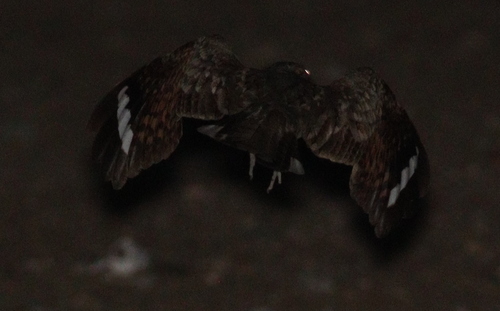
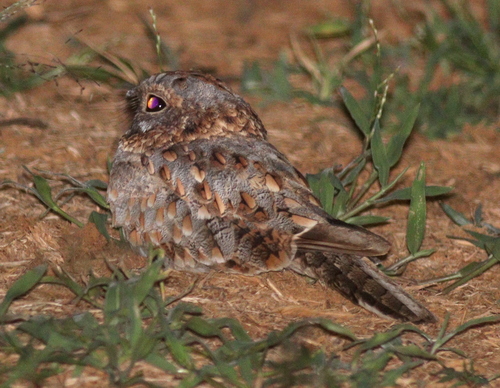
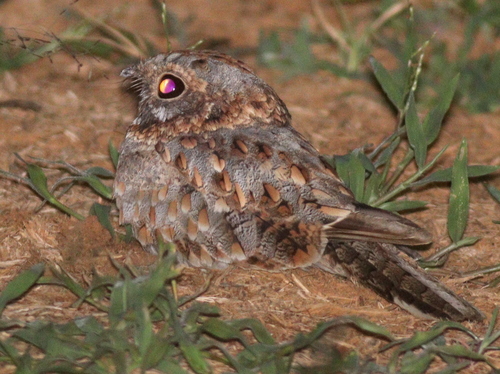
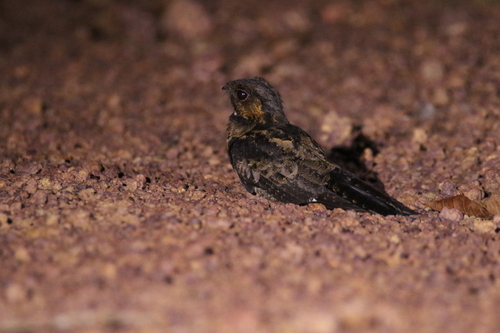
The Nubian nightjar is 20–22 cm (7.9–8.7 in) long. It is a nocturnal species, known for its large eyes and beak, which help it hunt at night. The bird resembles the Moorish nightjar, but is smaller, has a shorter tail and blunt wings compared to the Moorish nightjar. Another characteristic feature is a red-brown band over the neck. The white wing spots are not further away from the wing tips than other types of nightjars.
Text from Wikipedia, licensed CC BY-SA 4.0.
When to see the Nubian Nightjar
One bar for each month. Filled bars are the 11 months with records; pale bars are months with none. The wide bar is October, the month with the most records.
Where to see the Nubian Nightjar
The map shades 6 countries with regular records, and 3 more in a lighter tone where the bird turns up only as a stray. Everything unshaded has no records. Countries are listed below the map.
About the Nubian Nightjar
The Nubian nightjar is a species of nightjar in the family Caprimulgidae. It is found in salt marshes of Djibouti, Egypt, Eritrea, Ethiopia, Israel, Kenya, Oman, Saudi Arabia, Somalia, Sudan, and Yemen.
Text adapted from Wikipedia, licensed CC BY-SA 4.0.
Easily confused with
 Bates's NightjarCaprimulgus batesiBates's nightjar is a large, dark nightjar.
Learn the Nubian Nightjar in the BeakBrain App
Photo and call practice. Coming soon to iPhone and Android.
Play today's Daily BirdEvery photo and recording on this page is credited to its author under the licence shown. Spotted a problem with this page, or have a better photo? Contribute.