Learn what every symbol on the card means.Full credits and sources at beakbrain.com/symbols
 ForestCavity nestLarge · 677 g

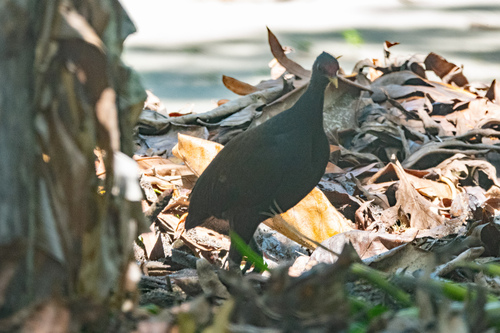
ID tip
Similar to other megapodes, Melanesian scrubfowl have a stout body shape, characteristically large feet, and rounded wings. Scrubfowl, including M. eremita, also have very short tails, giving the birds a distinctive silhouette lacking a visible tail. Adult Melanesian scrubfowl measure around 34 to 39 cm and have a short crest. The Melanesian scrubfowl has three different plumage types during its lifecycle: the juvenile plumage of chicks, a second immature plumage, and adult plumage. Voice: Melanesian scrubfowl vocalise regularly, loudly and throughout the day and night. Males produce territorial calls that last between one and five seconds and include honking, wailing and grunting sounds (e.g., kee-yah, kio, ko--ko--ko, etc. ). The species' song involves paired M.
Text from Wikipedia, licensed CC BY-SA 4.0.
When to see the Melanesian Megapode
One bar for each month. Filled bars are the 8 months with records; pale bars are months with none. The wide bar is July, the month with the most records.
Where to see the Melanesian Megapode
The map shades 2 countries with regular records. Everything unshaded has no records. Countries are listed below the map.
About the Melanesian Megapode
The Melanesian scrubfowl or Melanesian megapode is a megapode species that is endemic to islands within Melanesia. The Melanesian scrubfowl has a unique strategy of egg incubation in which it relies on environmental heat sources. This bird species is culturally important for Indigenous peoples in Melanesia.
Text adapted from Wikipedia, licensed CC BY-SA 4.0.
Easily confused with
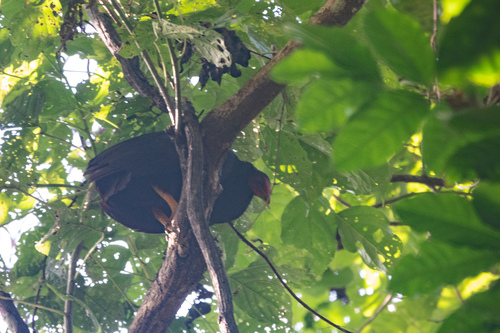 Vanuatu MegapodeMegapodius layardiThe Vanuatu megapode or Vanuatu scrubfowl is a species of bird in the family Megapodiidae.
 Biak ScrubfowlMegapodius geelvinkianusThis bird measures 36 cm (14 in) long.
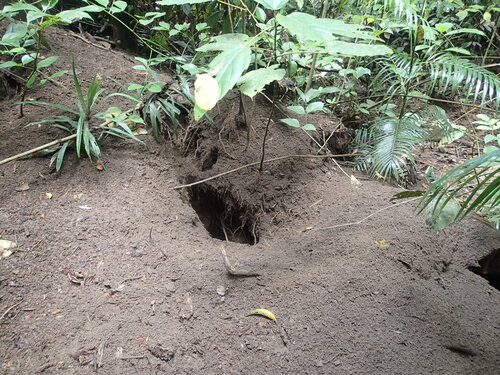 Nicobar MegapodeMegapodius nicobariensisMegapodes are so named for their large feet, and like others in the group this species is fowl-like with dark brown plumage, a short tail and large feet and claws.
Learn the Melanesian Megapode in the BeakBrain App
Photo and call practice. Coming soon to iPhone and Android.
Play today's Daily BirdEvery photo and recording on this page is credited to its author under the licence shown. Spotted a problem with this page, or have a better photo? Contribute.