Learn what every symbol on the card means.Full credits and sources at beakbrain.com/symbols
 ForestLarge · 837 g

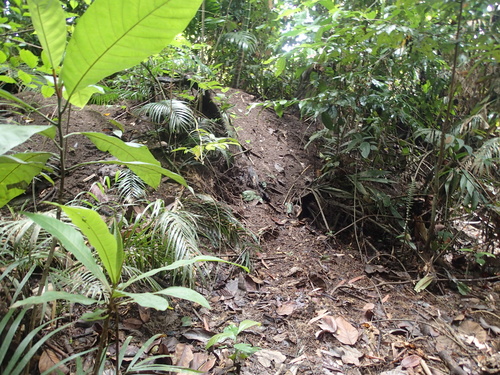
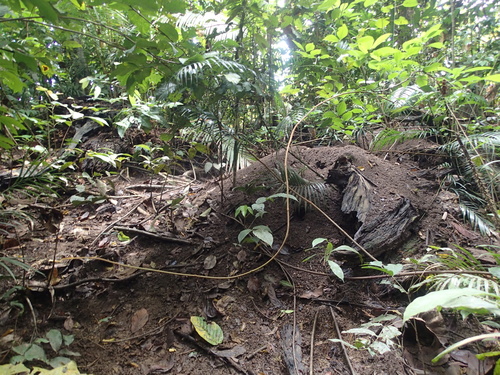
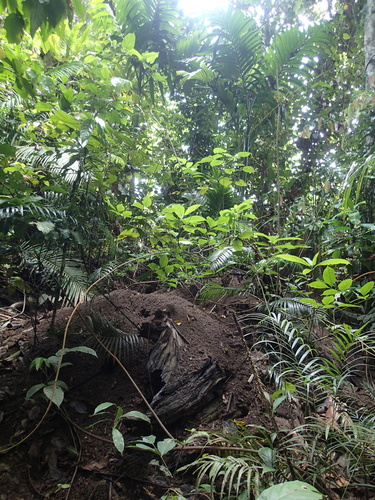
ID tip
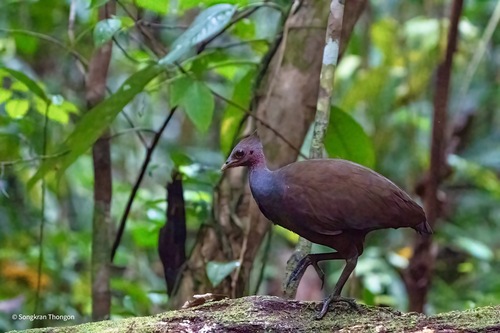
Megapodes are so named for their large feet, and like others in the group this species is fowl-like with dark brown plumage, a short tail and large feet and claws. The tarsus is bare with the hind toe situated on the same level as the front toes, unlike those of other Galliform birds, enabling them to grasp objects better than other game birds. The tarsus has broad flat strip-like scales on the front. The tail is short with twelve feathers. The head is more grey with a rufous crest and bare reddish facial skin.
Text from Wikipedia, licensed CC BY-SA 4.0.
When to see the Nicobar Megapode
One bar for each month. Filled bars are the 9 months with records; pale bars are months with none. The wide bar is March, the month with the most records.
About the Nicobar Megapode
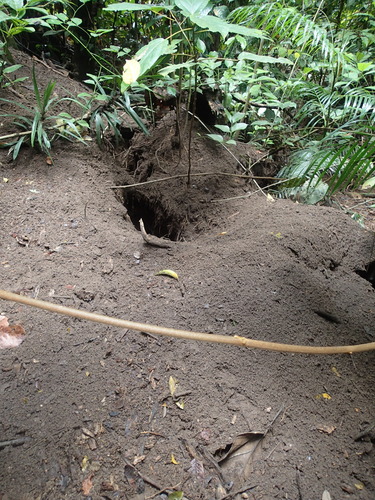
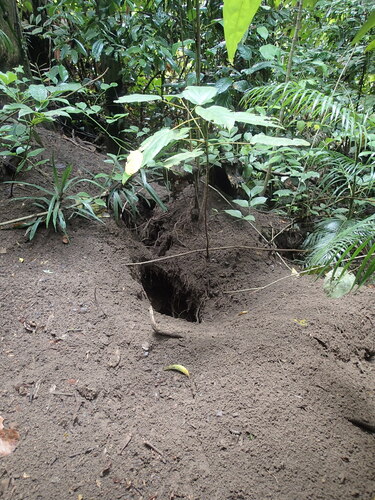
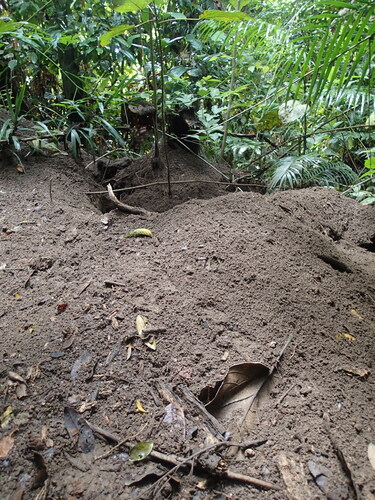
The Nicobar megapode or Nicobar scrubfowl is a megapode endemic to the Nicobar Islands of India. Like other megapodes, it builds a large mound nest of soil and vegetation, with the eggs incubated by the heat produced by decomposition. Newly hatched chicks climb out of the loose soil of the mound and, being fully feathered, are capable of flight. The Nicobar Islands lie on the western edge of the megapode distribution, well separated from the nearest ranges of other megapode species.
Text adapted from Wikipedia, licensed CC BY-SA 4.0.
Easily confused with
 Biak ScrubfowlMegapodius geelvinkianusThis bird measures 36 cm (14 in) long.
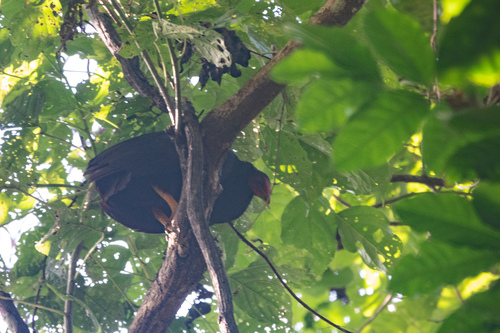 Vanuatu MegapodeMegapodius layardiThe Vanuatu megapode or Vanuatu scrubfowl is a species of bird in the family Megapodiidae.
 New Guinea ScrubfowlMegapodius decollatusThe New Guinea scrubfowl or New Guinea megapode is a species of bird in the family Megapodiidae.
Learn the Nicobar Megapode in the BeakBrain App
Photo and call practice. Coming soon to iPhone and Android.
Play today's Daily BirdEvery photo and recording on this page is credited to its author under the licence shown. Spotted a problem with this page, or have a better photo? Contribute.