Learn what every symbol on the card means.Full credits and sources at beakbrain.com/symbols
 WetlandPlatform nestHuge · 1.6 kg


ID tip
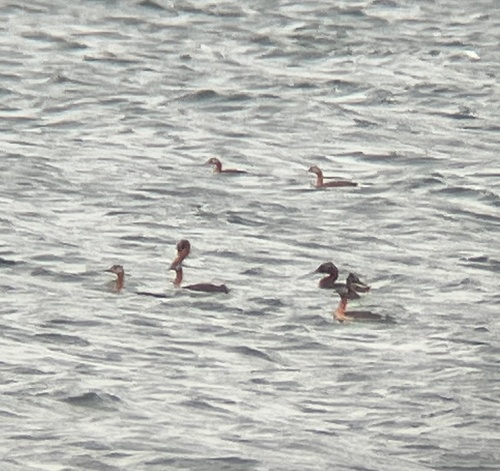
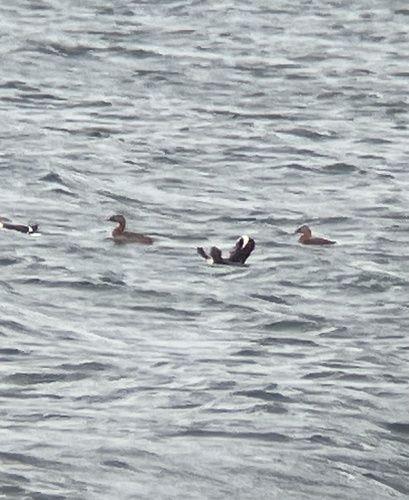
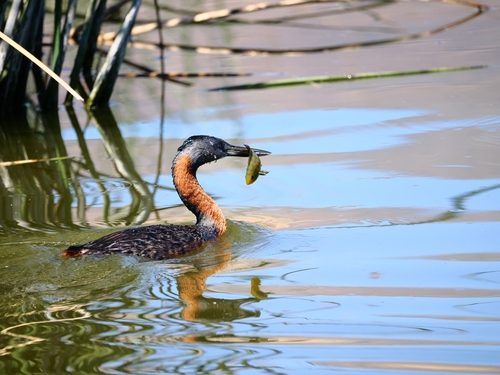
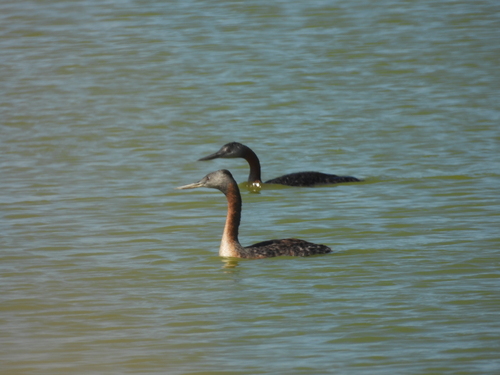
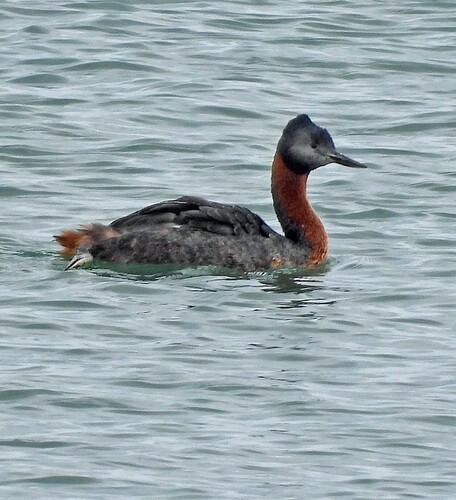
This is a very large grebe, with proportions more like a goose or a cormorant than a typical grebe. They range in length from 67 to 80 cm (26.5 to 31.5 in) and usually weigh about 1,600 grams (3.5 pounds), but can scale to at least 2 kg (4.4 lb). They are buffy-rufous on the neck and chest, blackish on the back and have a whitish belly. The head is sooty gray with a reddish-brown eye. Due to its size and unique coloration, the great grebe is unlikely to be confused with any other bird, including other grebes.
Text from Wikipedia, licensed CC BY-SA 4.0.
When to see the Great Grebe
One bar for each month, and every month is filled: this bird is recorded here in all twelve. The wide bar is October, the month with the most records.
Where to see the Great Grebe
The map shades 8 countries with regular records. Everything unshaded has no records. Countries are listed below the map.
About the Great Grebe
The great grebe is the largest species of grebe in the world. A disjunct population exists in northwestern Peru, while the main distribution is from extreme southeastern Brazil to Patagonia and central Chile. The population from southern Chile is considered a separate subspecies, P. m. navasi.
Text adapted from Wikipedia, licensed CC BY-SA 4.0.
Easily confused with
 Silvery GrebePodiceps occipitalisThe silvery grebe is about 28 cm (11 in) in length.
 Hooded GrebePodiceps gallardoiThe main features of the hooded grebe's appearance which can be used for identification.
 Junin GrebePodiceps taczanowskiiWith a size of approximately 35 cm (14 in), the Junin grebe has a dark grey crown extending down the back of its neck to a black back.
Side by side: Black-necked Grebe vs Great Grebe · Great Grebe vs Red-necked Grebe · Great Grebe vs Silvery Grebe
Learn the Great Grebe in the BeakBrain App
Photo and call practice. Coming soon to iPhone and Android.
Play today's Daily BirdEvery photo and recording on this page is credited to its author under the licence shown. Spotted a problem with this page, or have a better photo? Contribute.