Learn what every symbol on the card means.Full credits and sources at beakbrain.com/symbols
 ForestCup nestMedium · 62 g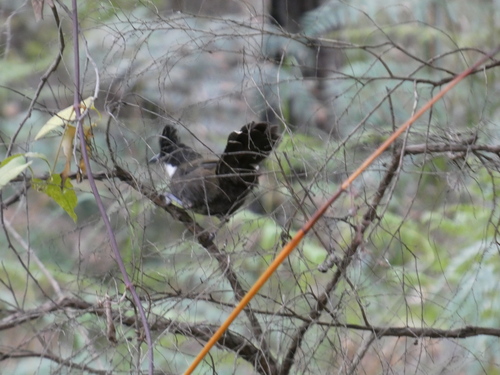


What the Eastern Whipbird sounds like


ID tip
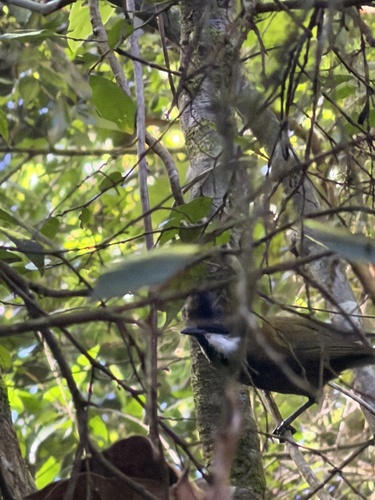
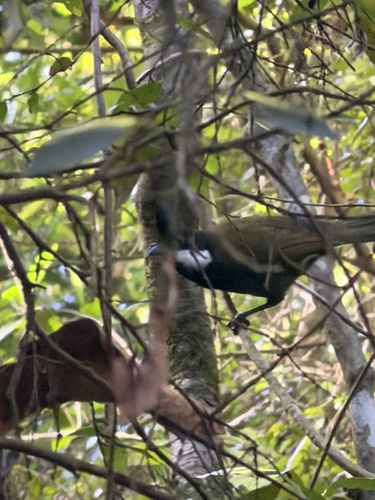
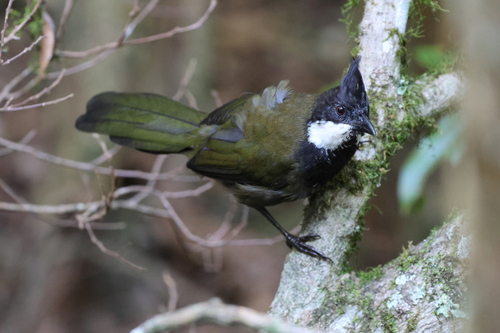
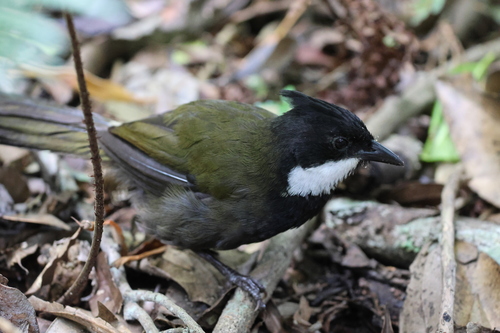
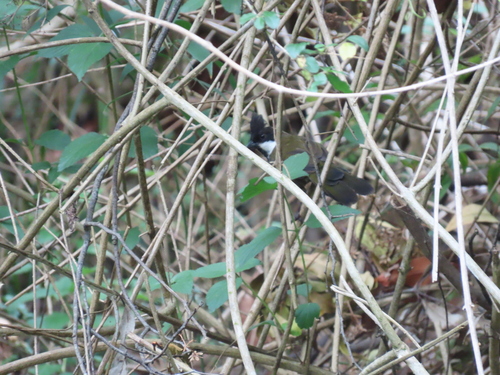
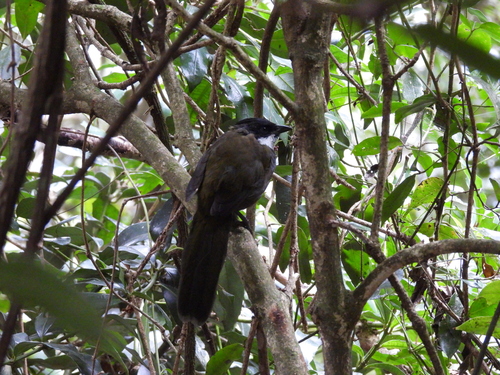
A slim bird some 26–30 cm (10–12 in) in length and 47–72 grams (1.7–2.5 oz) in weight, it is olive green with a black head and breast. It has a small black crest with a white cheek-patch on its face. It has a paler abdomen with a long dark olive-green tail tipped with white. The iris is brown and bill is black with blackish feet. The male is slightly larger than the female. Juveniles are a duller olive-brown and lack the white cheek stripes and dark throat. The eastern whipbird is generally shy, and is heard much more often than seen.
Text from Wikipedia, licensed CC BY-SA 4.0.
When to see the Eastern Whipbird
One bar for each month, and every month is filled: this bird is recorded here in all twelve. The wide bar is October, the month with the most records.
Where to see the Eastern Whipbird
The map shades 1 country with regular records, and 1 more in a lighter tone where the bird turns up only as a stray. Everything unshaded has no records. Countries are listed below the map.
Recorded as a rare visitor in Japan.
About the Eastern Whipbird
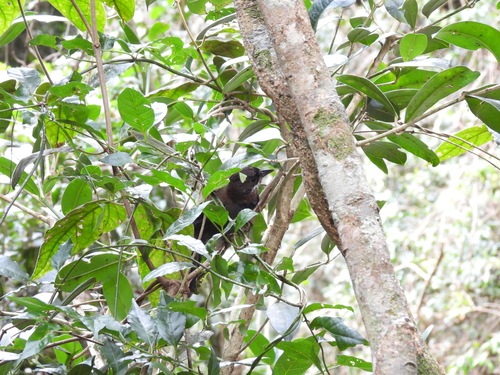
The eastern whipbird is an insectivorous passerine bird native to the east coast of Australia. Its whip-crack song is a familiar sound in forests of eastern Australia. Two subspecies are recognised. Heard much more often than seen, it is dark olive-green and black in colour with a distinctive white cheek patch and a crest. The male and female are similar in plumage.
Text adapted from Wikipedia, licensed CC BY-SA 4.0.
Easily confused with
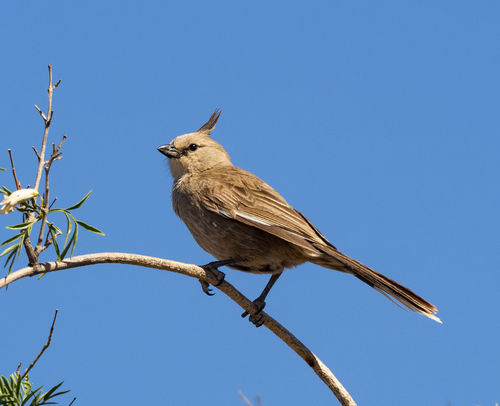 Chirruping WedgebillPsophodes cristatusThe chirruping wedgebill is a medium-sized bird, measuring approximately 18–21 cm and weighing 31-64 g.
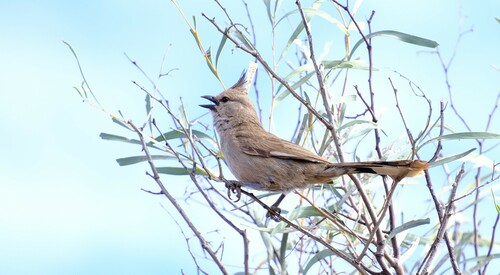 Chiming WedgebillPsophodes occidentalisThe male chiming wedgebill weighs 38-45 grams and the female chiming wedgebill weighs 30-36 grams.
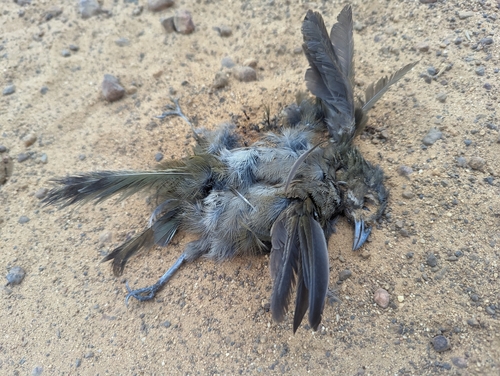 Western WhipbirdPsophodes nigrogularisThe western whipbird is a slim bird some 21–25 cm (8.3–9.8 in) in length.
Side by side: Chirruping Wedgebill vs Eastern Whipbird
Learn the Eastern Whipbird in the BeakBrain App
Photo and call practice. Coming soon to iPhone and Android.
Play today's Daily BirdEvery photo and recording on this page is credited to its author under the licence shown. Spotted a problem with this page, or have a better photo? Contribute.