Learn what every symbol on the card means.Full credits and sources at beakbrain.com/symbols
 ForestCup nestTiny · 12 g


What the Common Iora sounds like


ID tip
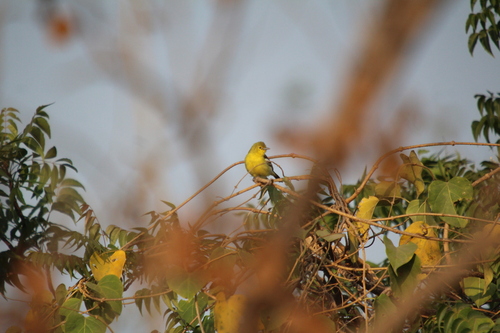
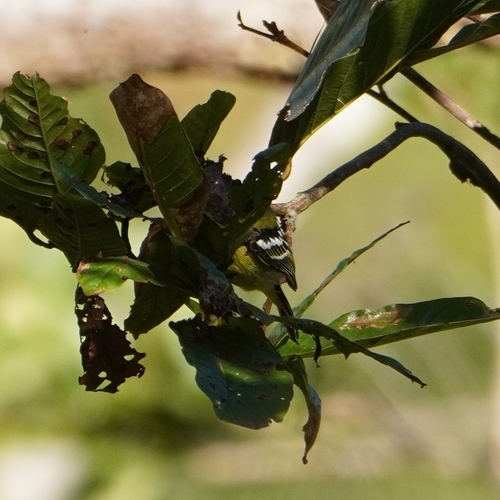
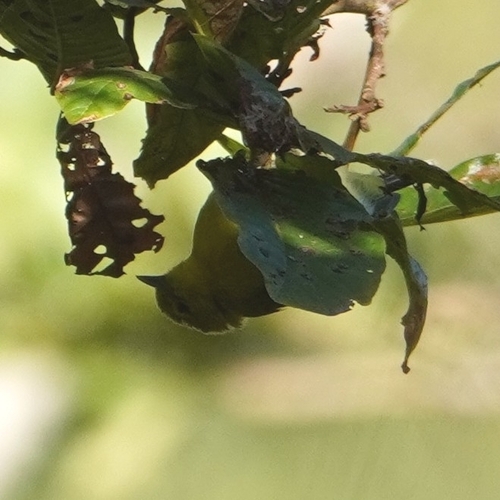
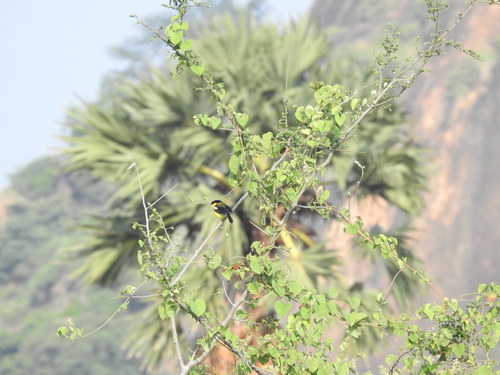
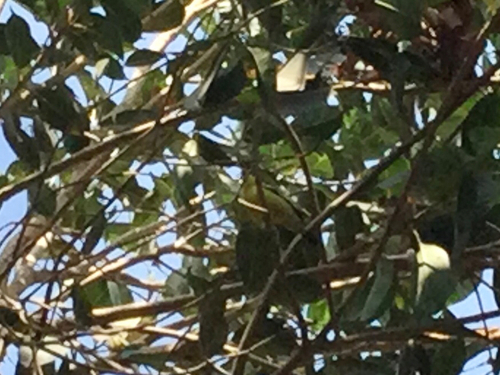
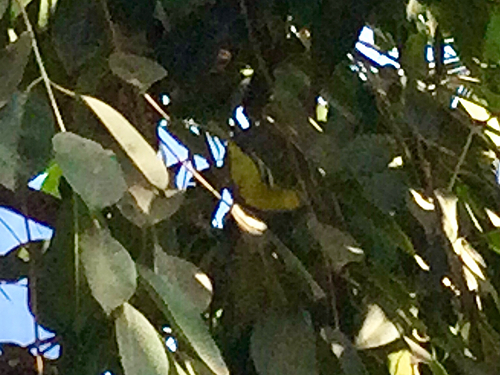
Ioras have a pointed and notched beak with a culmen that is straight. The common iora is sexually dimorphic, males in the breeding season have a black cap and back adding to a black wing and tail at all seasons. Females have greenish wings and an olive tail. The undersides of both are yellow and the two white bars on the wings of the male are particularly prominent in their breeding plumage. The males in breeding plumage have a very variable distribution of the black on the upperparts and can be confused with Marshall's iora, however, the latter always has white tips to the tail.
Text from Wikipedia, licensed CC BY-SA 4.0.
When to see the Common Iora
One bar for each month, and every month is filled: this bird is recorded here in all twelve. The wide bar is February, the month with the most records.
Where to see the Common Iora
The map shades 16 countries with regular records. Everything unshaded has no records. Countries are listed below the map.
About the Common Iora
The common iora is a small passerine bird found across the tropical Indian subcontinent and Southeast Asia, with populations showing plumage variations, some of which are designated as subspecies. A species found in scrub and forest, it is easily detected from its loud whistles and the bright colours. During the breeding season, males display by fluffing up their feathers and spiral in the air appearing like a green, black, yellow, and white ball.
Text adapted from Wikipedia, licensed CC BY-SA 4.0.
Easily confused with
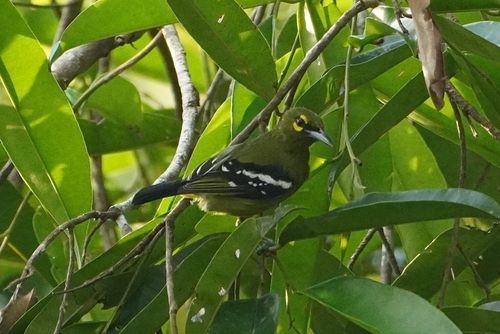 Green IoraAegithina viridissimaThe green iora is 12–14 cm (4.7–5.5 in) long.
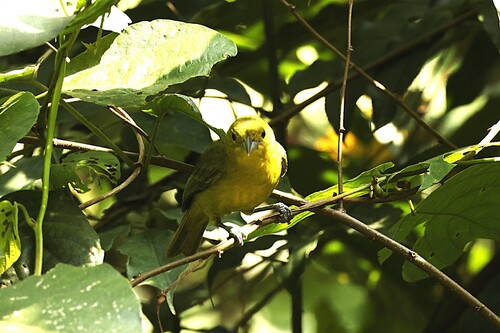 Great IoraAegithina lafresnayeiThe great iora is a species of bird in the family Aegithinidae.
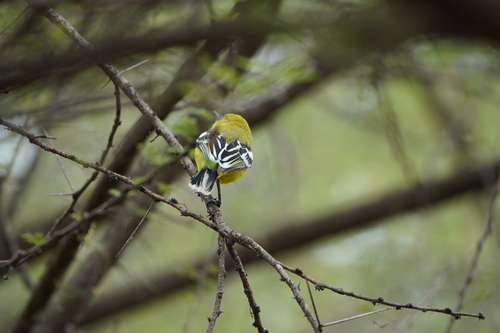 Marshall's IoraAegithina nigroluteaMarshall's iora, also known as the white-tailed iora, is a songbird in the genus Aegithina found in parts of India and Sri Lanka.
Side by side: Common Iora vs Green Iora
Learn the Common Iora in the BeakBrain App
Photo and call practice. Coming soon to iPhone and Android.
Play today's Daily BirdEvery photo and recording on this page is credited to its author under the licence shown. Spotted a problem with this page, or have a better photo? Contribute.