Learn what every symbol on the card means.Full credits and sources at beakbrain.com/symbols
 WetlandScrapeMedium · 187 g



What the Common Greenshank sounds like


ID tip
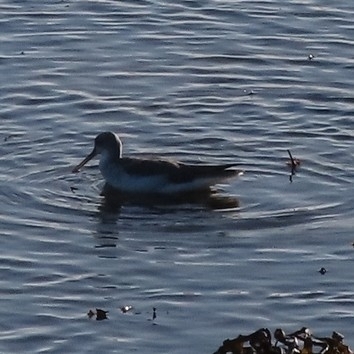
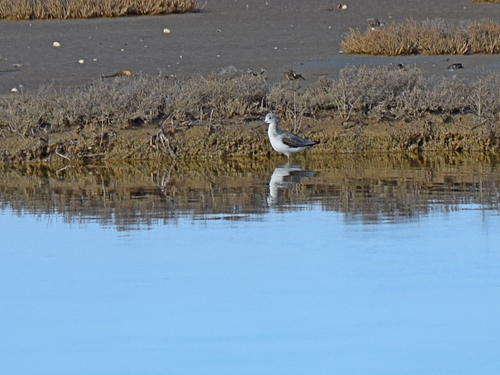
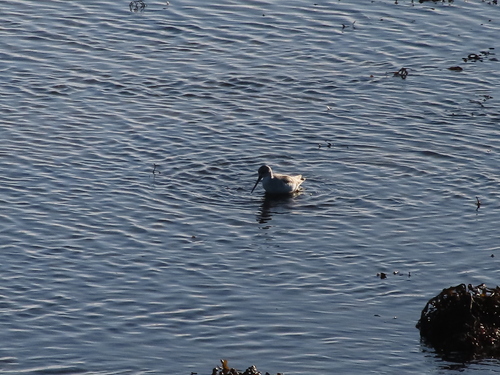
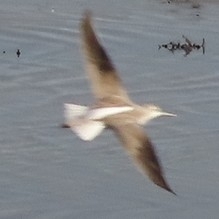
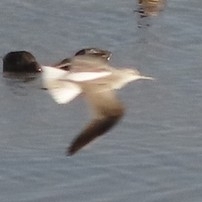
Common greenshanks are brown in breeding plumage, and grey-brown in winter. When in water, they can appear very similar to marsh sandpipers but are distinguished by the shape of the lower bill which gives it an upturned appearance to the bill. They have long greenish legs and a long bill with a grey base. They show a white wedge on the back in flight. They are somewhat larger than the related common redshank. The usual call is a rapid series of three short fluty notes syllabilized as teu-teu-teu. Like most waders, they feed on small invertebrates, but will also take small fish and amphibians.
Text from Wikipedia, licensed CC BY-SA 4.0.
When to see the Common Greenshank
One bar for each month, and every month is filled: this bird is recorded here in all twelve. The wide bar is August, the month with the most records.
Where to see the Common Greenshank
The map shades 161 countries with regular records, and 5 more in a lighter tone where the bird turns up only as a stray. Everything unshaded has no records. Countries are listed below the map.
Recorded as a rare visitor in United States, Canada, French Guiana, St. Pierre & Miquelon, Micronesia.
About the Common Greenshank
The common greenshank is a wader in the large family Scolopacidae, the typical waders. The genus name Tringa is the Neo-Latin name given to the green sandpiper by Aldrovandus in 1599 based on Ancient Greek trungas, a thrush-sized, white-rumped, tail-bobbing wading bird mentioned by Aristotle. The specific nebularia is from Latin nebula "mist". Like the Norwegian Skoddefoll, this refers to the greenshank's damp marshy habitat.
Text adapted from Wikipedia, licensed CC BY-SA 4.0.
Easily confused with
 Common RedshankTringa totanusCommon redshanks in breeding plumage are a marbled brown color, slightly lighter below.
 WilletTringa semipalmataThe willet is a particularly elegant and heavily built shorebird with a structure similar to that of the common redshank but being larger in size than the greater yellowlegs while resembling a godwit in flight with black primary coverts and primaries contrasting with a broad white band, white secondaries with a white rump and gray tail band.
 Wood SandpiperTringa glareolaThe wood sandpiper resembles a longer-legged, more delicate form of the aforementioned green sandpiper (T. ochropus), or a solitary sandpiper (T. solitaria), albeit with a shorter, finer bill, brown back and longer yellowish legs.
Side by side: Common Greenshank vs Lesser Yellowlegs · Common Greenshank vs Willet · Common Greenshank vs Common Redshank · Common Greenshank vs Wood Sandpiper · Common Greenshank vs Green Sandpiper · Common Greenshank vs Solitary Sandpiper
Learn the Common Greenshank in the BeakBrain App
Photo and call practice. Coming soon to iPhone and Android.
Play today's Daily BirdEvery photo and recording on this page is credited to its author under the licence shown. Spotted a problem with this page, or have a better photo? Contribute.