Learn what every symbol on the card means.Full credits and sources at beakbrain.com/symbols
 GrasslandDomed nestSmall · 19 g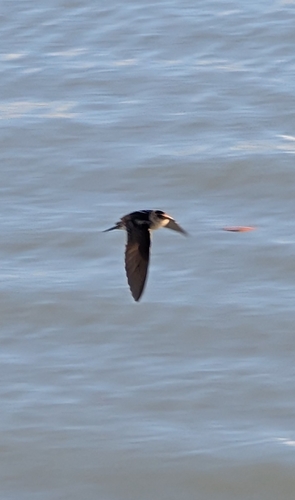

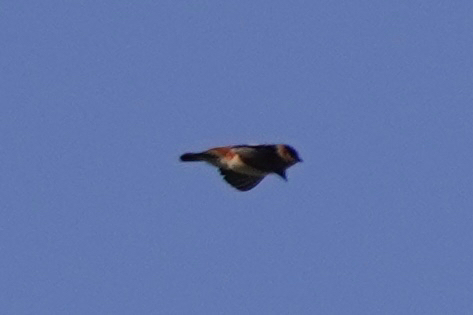
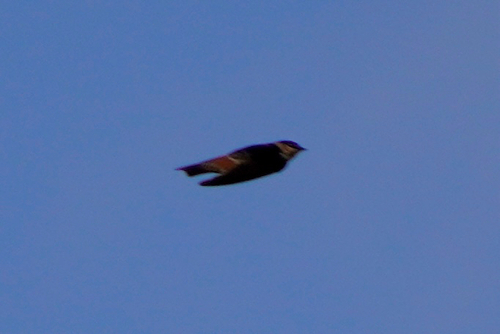
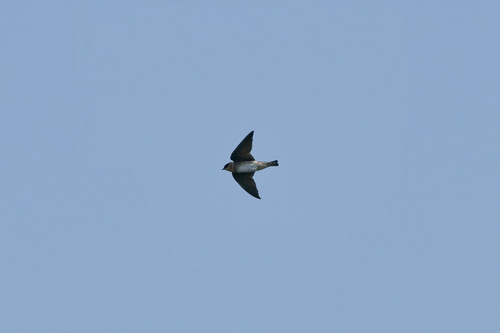
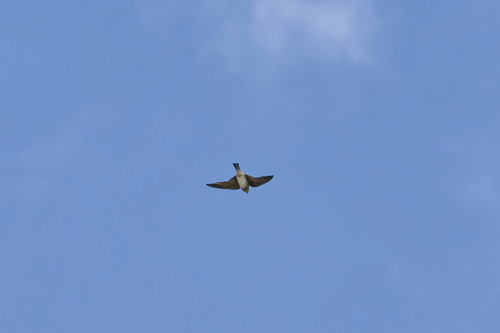

ID tip
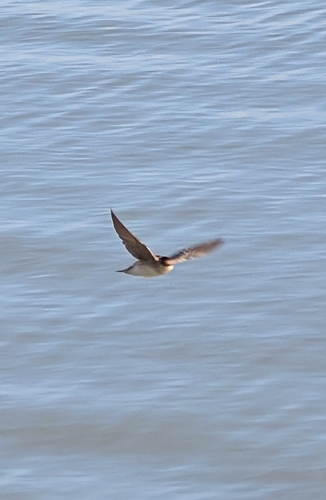
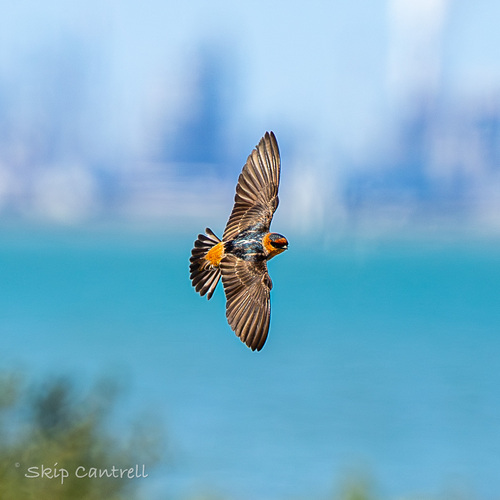
The cave swallow measures 12 to 14 cm in length and weighs 19 g on average. The largest of the five subspecies, P. f. pallida, has an average wing length between 107.0 and 112.3 mm; the smallest subspecies, P. f. aequatorialis, has an average wing length between 93.0 and 93.5 mm. Differences between the sexes are minimal, both are similar in size and weight and are difficult to distinguish from their plumage. It has grey-blue upperparts and brown-tangerine forefront and throat. Voice: Cave swallow chicks begin giving faint calls shortly after hatching. As the chicks develop their calls become louder and more aggressive. These calls allow the chicks to communicate to the attending parent(s) their basic needs, such as hunger.
Text from Wikipedia, licensed CC BY-SA 4.0.
When to see the Cave Swallow
One bar for each month, and every month is filled: this bird is recorded here in all twelve. The wide bar is April, the month with the most records.
Where to see the Cave Swallow
The map shades 20 countries with regular records, and 4 more in a lighter tone where the bird turns up only as a stray. Everything unshaded has no records. Countries are listed below the map.
Recorded as a rare visitor in Colombia, Panama, Martinique, Caribbean Netherlands.
About the Cave Swallow
The cave swallow is a medium-sized, squarish-tailed swallow belonging to the same genus as the more familiar and widespread cliff swallow of North America. The cave swallow, also native to the Americas, nests and roosts primarily in caves and sinkholes.
Text adapted from Wikipedia, licensed CC BY-SA 4.0.
Easily confused with
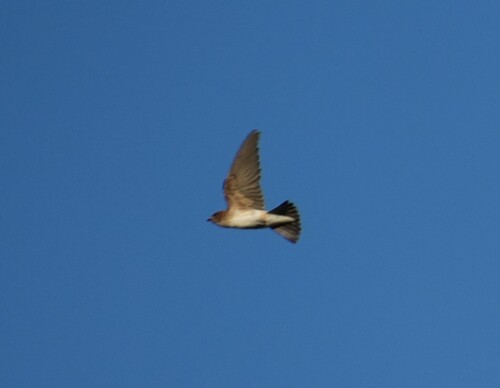 Fairy MartinPetrochelidon arielThe fairy martin is dumpy and square tailed.
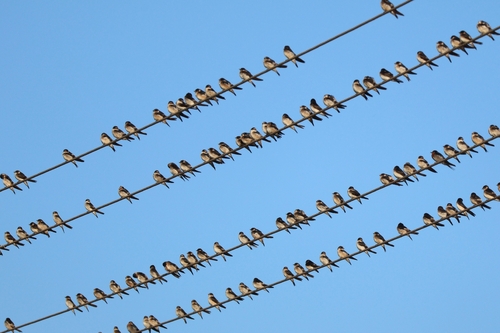 Tree MartinPetrochelidon nigricansThe tree martin averages 13 cm (5.1 in) in length and has a shallowly forked tail.
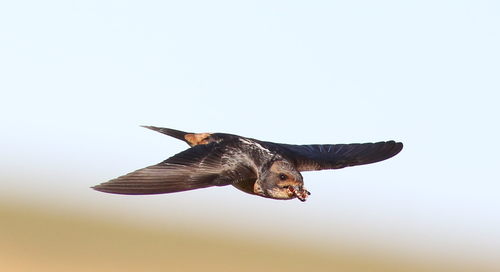 South African Cliff SwallowPetrochelidon spiloderaThe South African cliff swallow, also known as the South African swallow, is a species of bird in the family Hirundinidae native southern Africa.
Side by side: American Cliff Swallow vs Cave Swallow · Cave Swallow vs Tree Martin · Cave Swallow vs Fairy Martin
Learn the Cave Swallow in the BeakBrain App
Photo and call practice. Coming soon to iPhone and Android.
Play today's Daily BirdEvery photo and recording on this page is credited to its author under the licence shown. Spotted a problem with this page, or have a better photo? Contribute.