Learn what every symbol on the card means.Full credits and sources at beakbrain.com/symbols
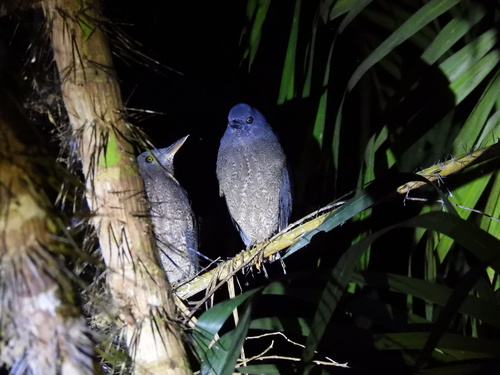
 ForestPlatform nestMedium · 123 g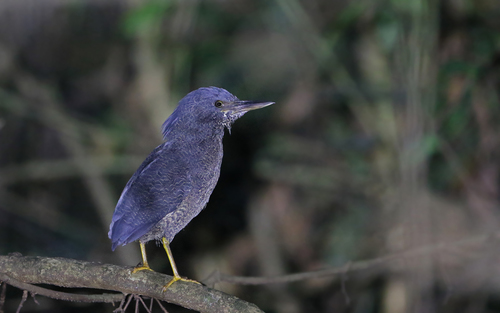

ID tip
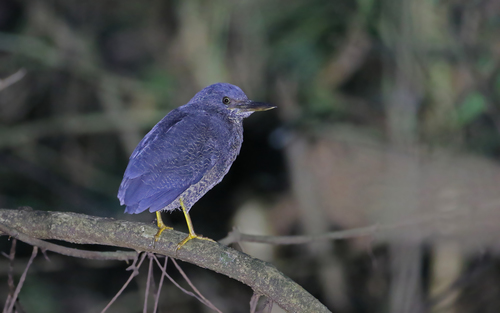
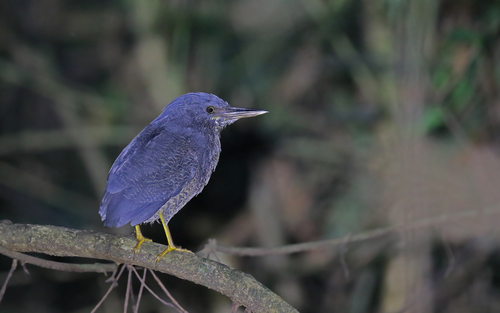
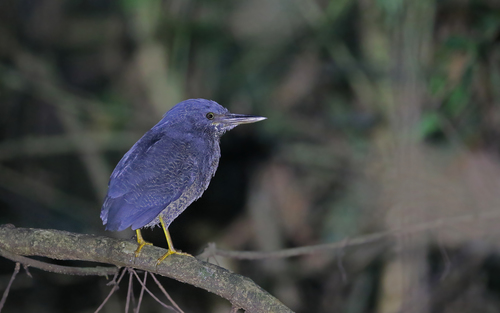
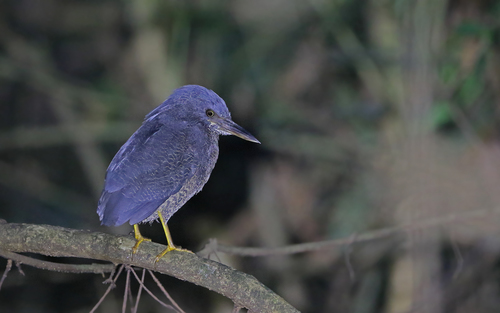
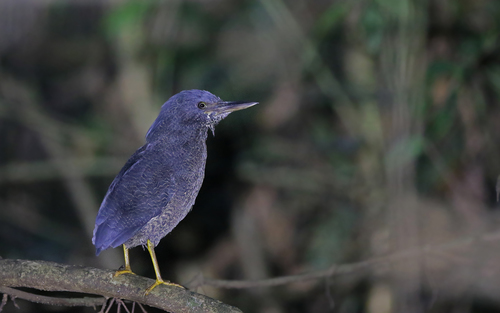
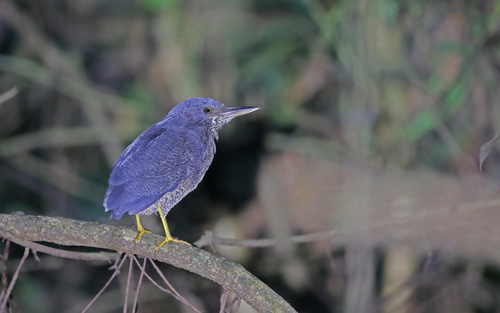
The adult plumage is gray with fine zigzag barring, with a pale underside, standing about 32 centimetres (12+1⁄2 inches) in height. Juveniles have a dark back with a brown head and underside. Due to its appearance it was often assigned to the tiger herons (Tigrisoma and allies). But in fact, it is a true bittern, having like these only 10 rectrices (other Ardeidae have 12) and being unequivocally placed in the bittern lineage by DNA sequence data too. Short legs and necks and cryptic plumage may thus be plesiomorphic among Ardeidae in general.
Text from Wikipedia, licensed CC BY-SA 4.0.
When to see the Zigzag Heron
One bar for each month, and every month is filled: this bird is recorded here in all twelve. The wide bar is January, the month with the most records.
Where to see the Zigzag Heron
The map shades 9 countries with regular records. Everything unshaded has no records. Countries are listed below the map.
About the Zigzag Heron
The zigzag heron is a species of heron in the family Ardeidae, also including egrets and bitterns. It is in the monotypic genus Zebrilus. It is found in Bolivia, Brazil, Colombia, Ecuador, French Guiana, Guyana, Peru, Suriname, and Venezuela. Its natural habitat is subtropical or tropical swamps.
Text adapted from Wikipedia, licensed CC BY-SA 4.0.
Easily confused with
 Malagasy Pond HeronArdeola idaeMalagasy pond herons grow to 45–50 cm (18–20 in) in height and anywhere from 250–350 g (9–12 oz) in weight.
 Slaty EgretEgretta vinaceigulaUntil 1971, the slaty egret and more widespread black egret Egretta ardesiaca were thought to be colour morphs of the same species but the slaty egret shows consistent features which separate it from the black egret.
 Humblot's HeronArdea humblotiHumblot's heron has a uniform dark gray plumage on its body and darker feathers on its forehead and chin.
Learn the Zigzag Heron in the BeakBrain App
Photo and call practice. Coming soon to iPhone and Android.
Play today's Daily BirdEvery photo and recording on this page is credited to its author under the licence shown. Spotted a problem with this page, or have a better photo? Contribute.