Master this bird in the BeakBrain app to add it to your collection.
Learn what every symbol on the card means.Full credits and sources at beakbrain.com/symbols
Learn what every symbol on the card means.Full credits and sources at beakbrain.com/symbols
LCLeast ConcernFruit ForestCavity nestTiny · 13 g
ForestCavity nestTiny · 13 g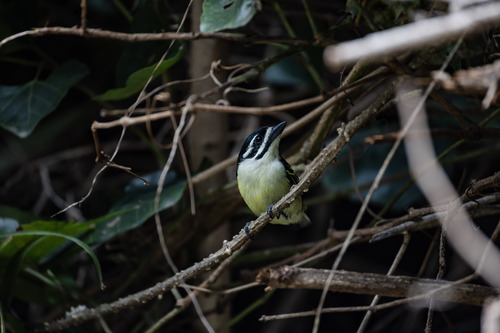
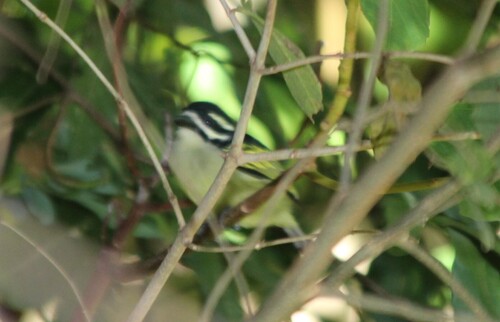
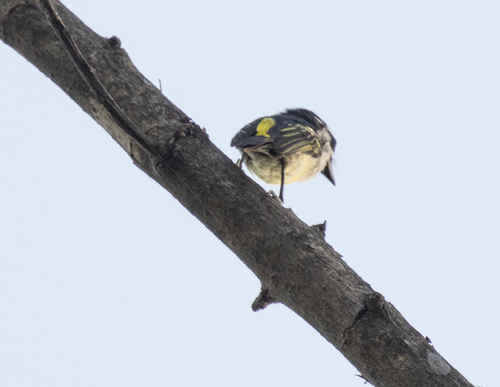
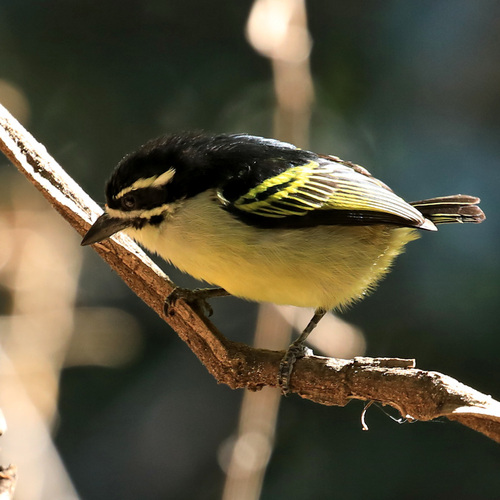
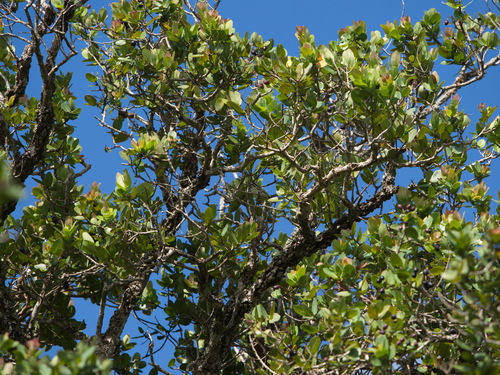
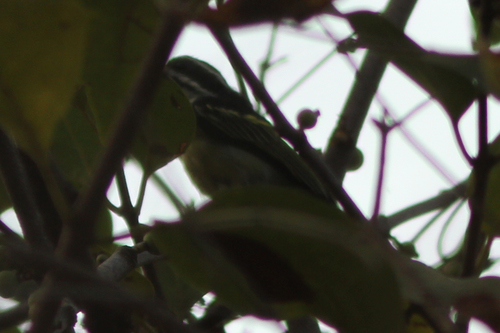
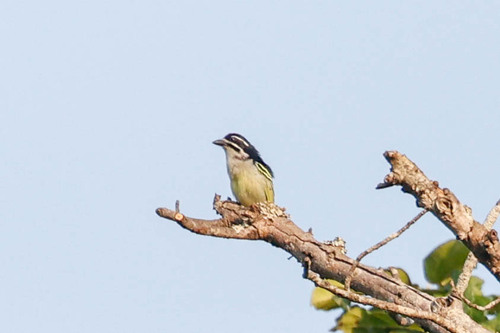
What the Yellow-rumped Tinkerbird sounds like

Recorded by Anne Ndung'u · Song · Nairobi, Nairobi County, Kenya · CC BY-SA 4.0 · via xeno-canto
When to see the Yellow-rumped Tinkerbird
One bar for each month, and every month is filled: this bird is recorded here in all twelve. The wide bar is December, the month with the most records.
Where to see the Yellow-rumped Tinkerbird
Regular range
The map shades 29 countries with regular records. Everything unshaded has no records. Countries are listed below the map.
About the Yellow-rumped Tinkerbird
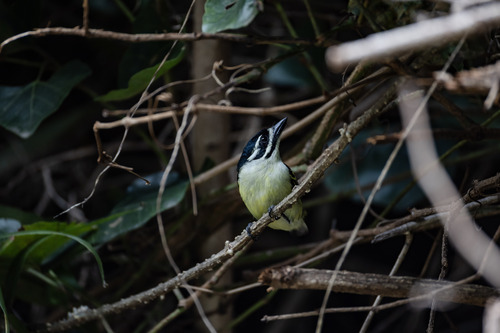
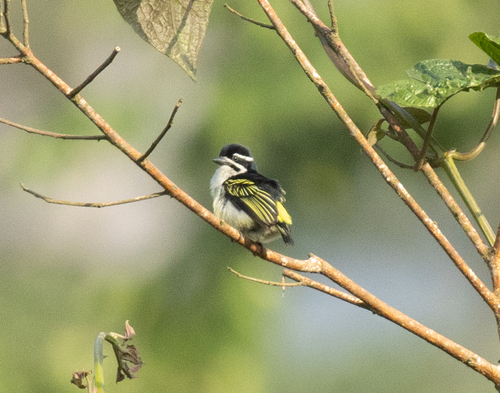
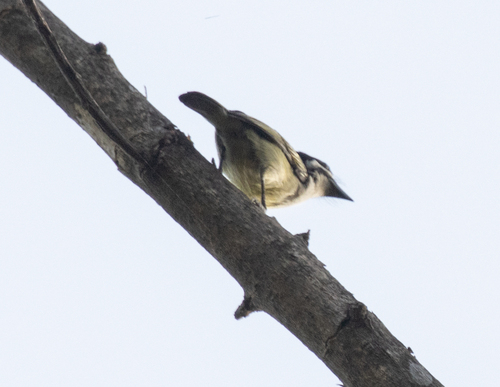
The yellow-rumped tinkerbird is a bird species in the family Lybiidae, which is native to the moist tropical and subtropical regions of sub-Saharan Africa.
Text adapted from Wikipedia, licensed CC BY-SA 4.0.
Easily confused with
 Yellow-fronted TinkerbirdPogoniulus chrysoconusThe yellow-fronted tinkerbird is approximately 11 cm (4.3 in) in length.
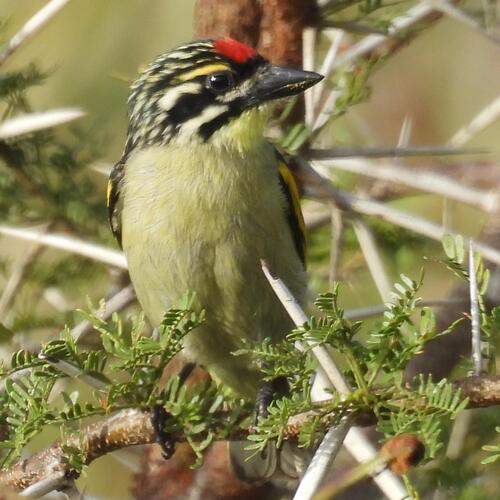 Southern Red-fronted TinkerbirdPogoniulus pusillusThe southern red-fronted tinkerbird is 9–10.5 cm (3.5–4.1 in) in length.
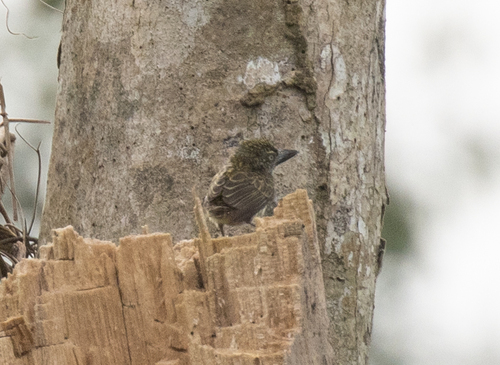 Speckled TinkerbirdPogoniulus scolopaceusThe speckled tinkerbird is a species of bird in the Lybiidae family.
Learn the Yellow-rumped Tinkerbird in the BeakBrain App
Photo and call practice. Coming soon to iPhone and Android.
Play today's Daily BirdEvery photo and recording on this page is credited to its author under the licence shown. Spotted a problem with this page, or have a better photo? Contribute.