Learn what every symbol on the card means.Full credits and sources at beakbrain.com/symbols
 ForestCup nestSmall · 17 g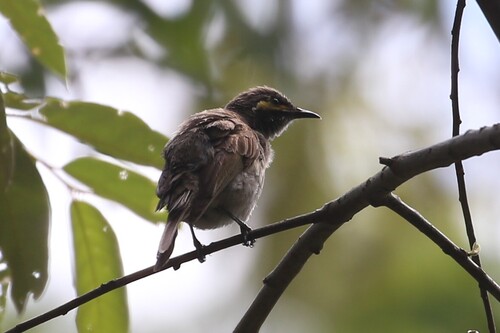


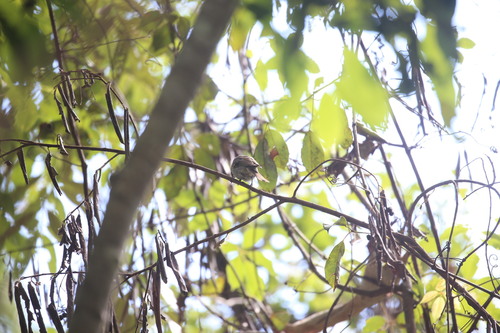
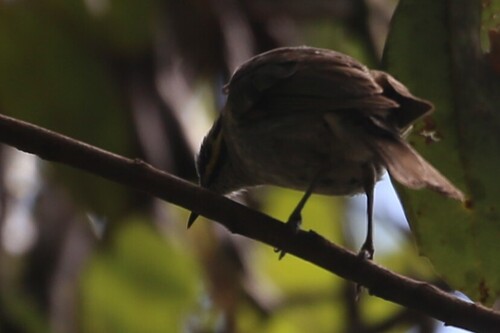
What the Yellow-faced Honeyeater sounds like


ID tip
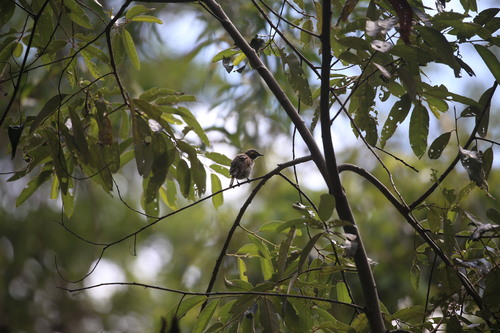
The yellow-faced honeyeater is a medium-small, greyish-brown bird that takes its common name from distinctive yellow stripes on the sides of the head. Yellow feathers form a narrow stripe above the gape, which broadens and curves below the eye to end in a small white patch of feathers on the ear coverts. Above the yellow stripe is a black eye stripe which is broken by a small yellow to off-white patch behind the eye, and below is another distinct black stripe running the length of the yellow line. Voice: One of the first birds heard in the morning, the yellow-faced honeyeater utters calls that are full and loud, and extremely varied. The male sings from a roost for up to an hour, beginning twenty or thirty minutes before dawn. The song is a running series of cheerful notes sounding like chick-up, chick-up, from which its common name of quitchup is derived.
Text from Wikipedia, licensed CC BY-SA 4.0.
When to see the Yellow-faced Honeyeater
One bar for each month, and every month is filled: this bird is recorded here in all twelve. The wide bar is October, the month with the most records.
Where to see the Yellow-faced Honeyeater
The map shades 1 country with regular records. Everything unshaded has no records. Countries are listed below the map.
About the Yellow-faced Honeyeater
The yellow-faced honeyeater is a small to medium-sized bird in the honeyeater family, Meliphagidae. It takes its common and scientific names from the distinctive yellow stripes on the sides of its head. Its loud, clear call often begins twenty or thirty minutes before dawn. It is widespread across eastern and southeastern Australia, in open sclerophyll forests from coastal dunes to high-altitude subalpine areas, and woodlands along creeks and rivers. Comparatively short-billed for a honeyeater, it is thought to have adapted to a diet of flies, spiders, and beetles, as well as nectar and pollen from the flowers of plants, such as Banksia and Grevillea, and soft fruits.
Text adapted from Wikipedia, licensed CC BY-SA 4.0.
Easily confused with
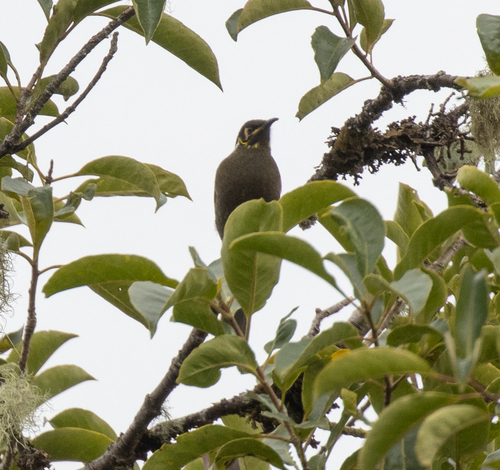
Learn the Yellow-faced Honeyeater in the BeakBrain App
Photo and call practice. Coming soon to iPhone and Android.
Play today's Daily BirdEvery photo and recording on this page is credited to its author under the licence shown. Spotted a problem with this page, or have a better photo? Contribute.