Learn what every symbol on the card means.Full credits and sources at beakbrain.com/symbols
 GrasslandCup nestSmall · 29 g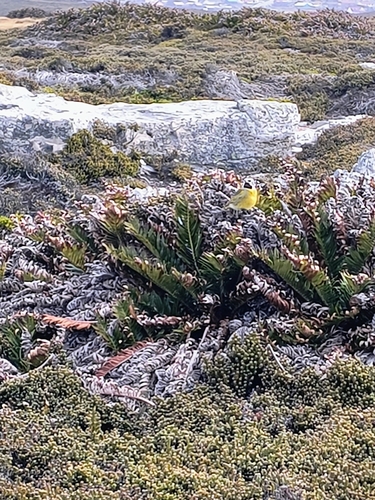


ID tip
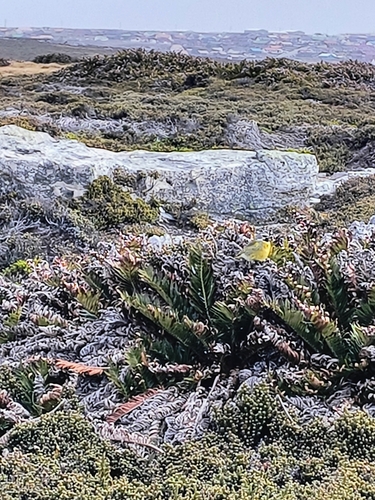
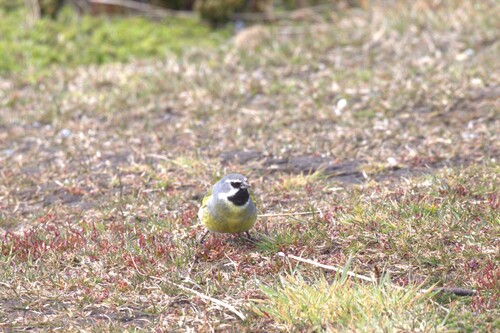
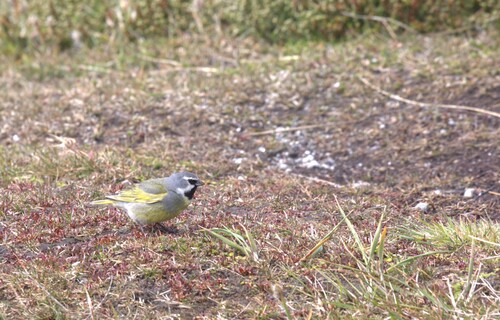
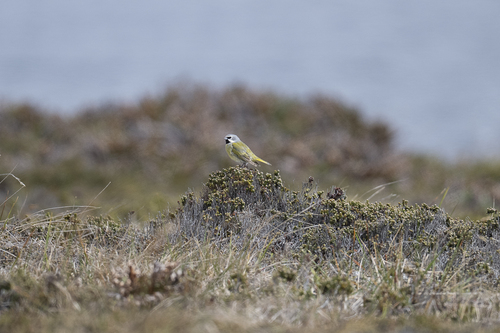
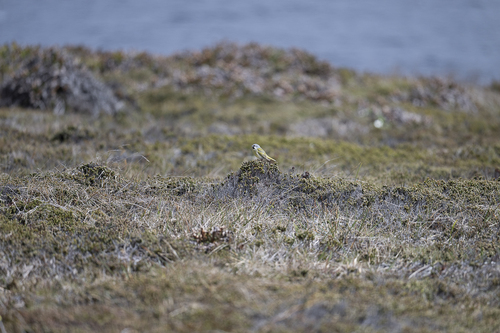
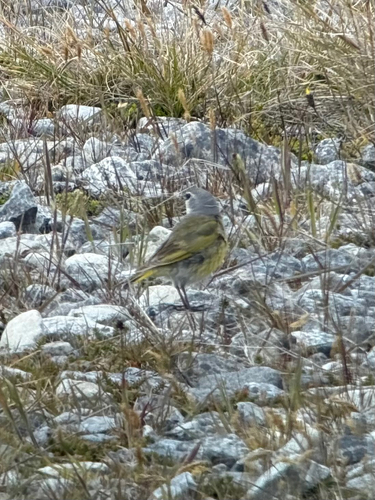
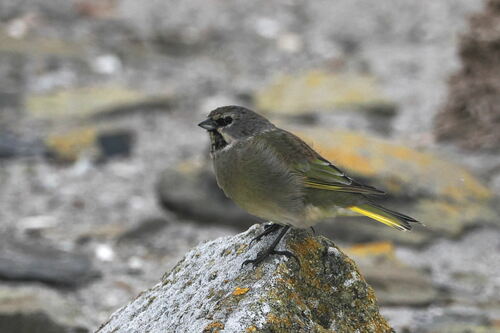
The male is grey-green above and yellow below with a grey head and upper breast. It has a black throat and mask which are bordered with white. There are large yellow patches in the wings and tail. Females are brown with dark streaks. They have yellow outer tail feathers and yellow fringes to the wing feathers. It is 14–15 cm (5.5–5.9 in) long. Birds on the mainland are smaller than those on the Falklands with a smaller bill and more yellow in the wings and tail. The call is a short, high-pitched note and the song is a repeated series of two or three whistles.
Text from Wikipedia, licensed CC BY-SA 4.0.
When to see the White-bridled Finch
One bar for each month. Filled bars are the 8 months with records; pale bars are months with none. The wide bar is November, the month with the most records.
Where to see the White-bridled Finch
The map shades 3 countries with regular records. Everything unshaded has no records. Countries are listed below the map.
About the White-bridled Finch
The white-bridled finch, also known as the canary-winged finch or black-throated finch, is a small passerine bird belonging to the genus Melanodera together with the yellow-bridled finch. Formerly placed in the family Emberizidae, it is now considered a tanager. It is found in grassland in southernmost South America. There are two subspecies: M. m. melanodera in the Falkland Islands and M. m. princetoniana in southern Argentina and Chile.
Text adapted from Wikipedia, licensed CC BY-SA 4.0.
Easily confused with
Learn the White-bridled Finch in the BeakBrain App
Photo and call practice. Coming soon to iPhone and Android.
Play today's Daily BirdEvery photo and recording on this page is credited to its author under the licence shown. Spotted a problem with this page, or have a better photo? Contribute.