Learn what every symbol on the card means.Full credits and sources at beakbrain.com/symbols
 WetlandPlatform nestLarge · 698 g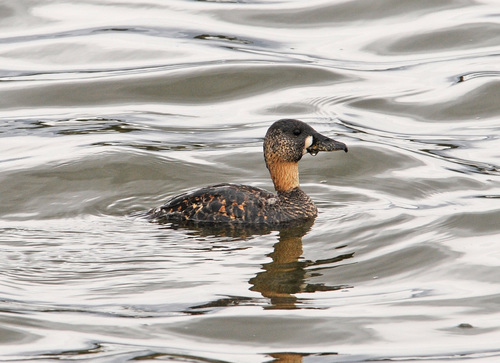
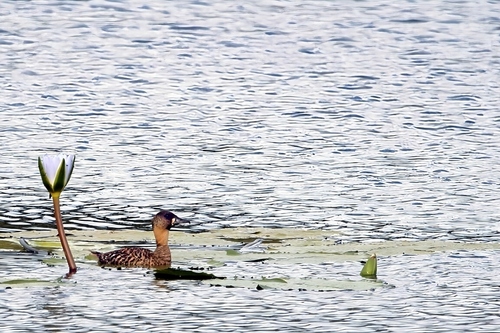
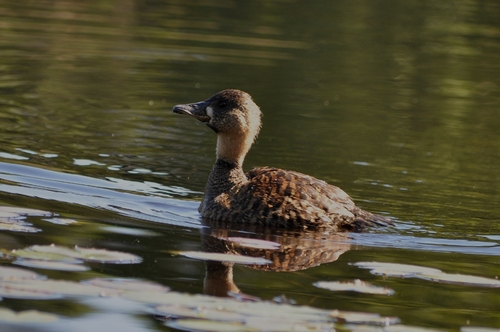


ID tip
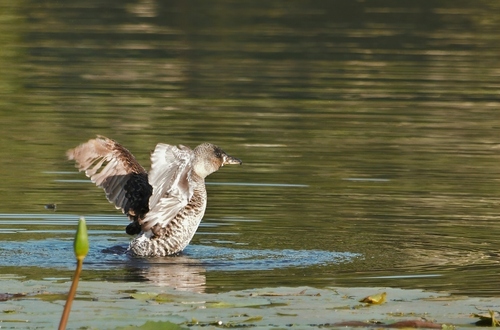
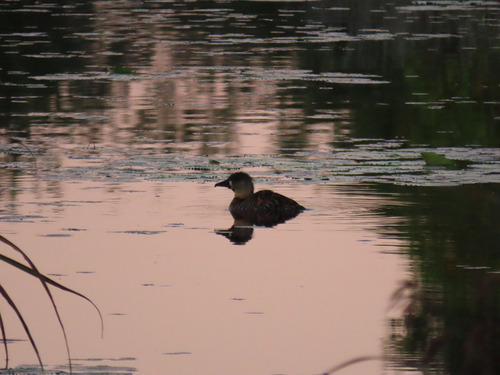
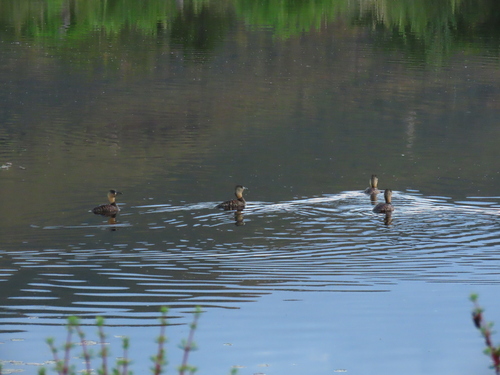
These birds are well adapted for diving. On occasions they have been observed to stay under water for up to half a minute. They search especially for the bulbs of waterlilies, but also seeds and leaves of waterlilies and other water plants and the young feed on lake flies larvae as well. From danger, they also escape preferentially by diving; hence, the namesake white back is hardly visible in life.
Text from Wikipedia, licensed CC BY-SA 4.0.
When to see the White-backed Duck
One bar for each month, and every month is filled: this bird is recorded here in all twelve. The wide bar is November, the month with the most records.
Where to see the White-backed Duck
The map shades 19 countries with regular records. Everything unshaded has no records. Countries are listed below the map.
About the White-backed Duck
The white-backed duck is a waterbird of the family Anatidae. It is distinct from all other ducks, but most closely related to the whistling ducks in the subfamily Dendrocygninae, though also showing some similarities to the stiff-tailed ducks in the subfamily Oxyurinae. It is the only member of the genus Thalassornis.
Text adapted from Wikipedia, licensed CC BY-SA 4.0.
Easily confused with
 Spectacled EiderSomateria fischeriThe spectacled eider is a large sea duck that breeds on the coasts of Alaska and northeastern Siberia.
 Kelp GooseChloephaga hybridaThe kelp goose is 55 to 65 cm (22 to 26 in) long.
 Fuegian Steamer DuckTachyeres pteneresThis is the largest of the steamer duck species.
Side by side: Kelp Goose vs White-backed Duck · Fuegian Steamer Duck vs White-backed Duck
Learn the White-backed Duck in the BeakBrain App
Photo and call practice. Coming soon to iPhone and Android.
Play today's Daily BirdEvery photo and recording on this page is credited to its author under the licence shown. Spotted a problem with this page, or have a better photo? Contribute.