Learn what every symbol on the card means.Full credits and sources at beakbrain.com/symbols
 ShrublandCup nestTiny · 9 g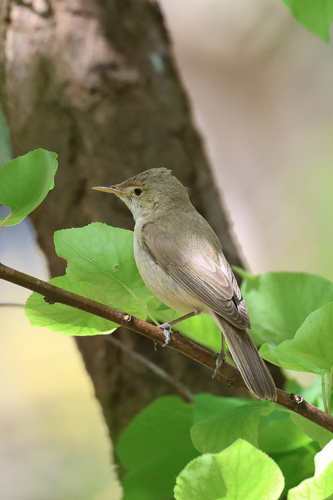
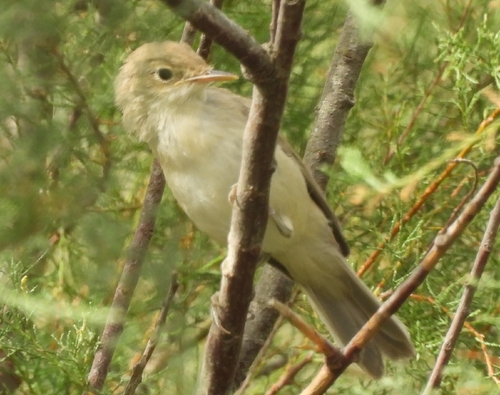
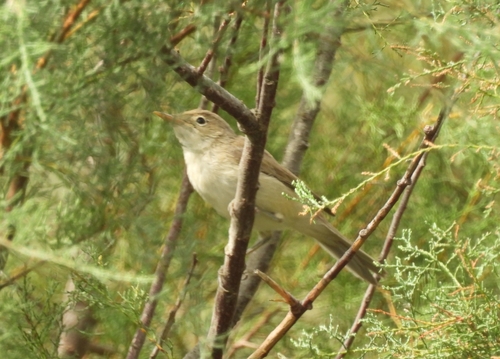
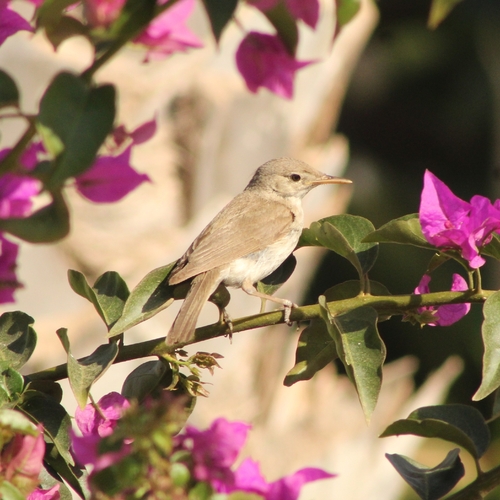
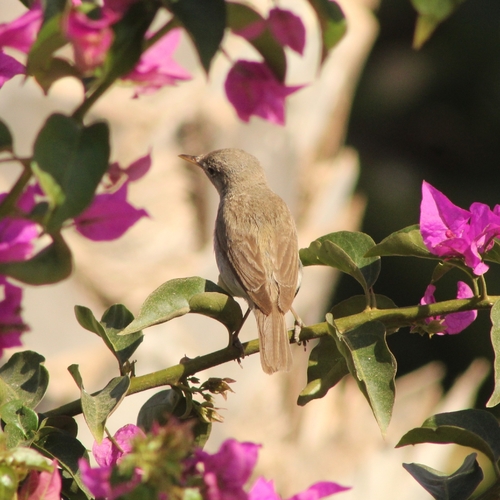


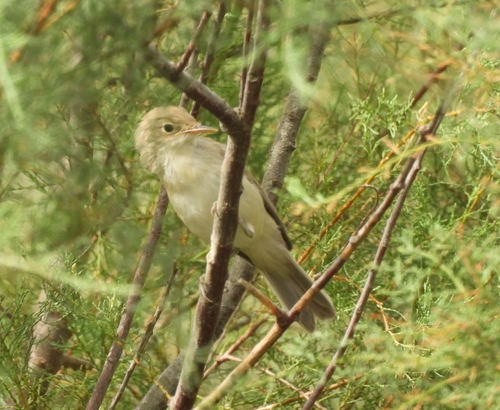
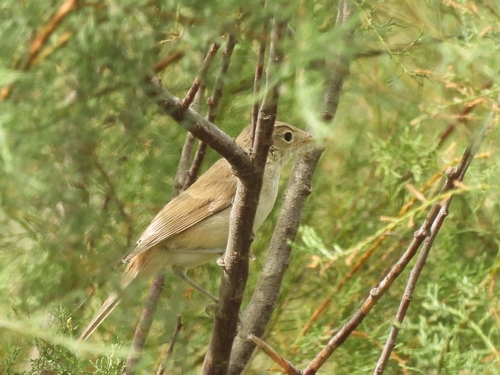
What the Western Olivaceous Warbler sounds like


When to see the Western Olivaceous Warbler
One bar for each month. Filled bars are the 11 months with records; pale bars are months with none. The wide bar is May, the month with the most records.
Where to see the Western Olivaceous Warbler
The map shades 16 countries with regular records, and 5 more in a lighter tone where the bird turns up only as a stray. Everything unshaded has no records. Countries are listed below the map.
Recorded as a rare visitor in Germany, Italy, Sweden, France, United Kingdom.
About the Western Olivaceous Warbler
The western olivaceous warbler, also known as the isabelline warbler, is a "warbler", formerly placed in the Old World warblers when these were a paraphyletic wastebin taxon. It is now considered a member of the acrocephaline warblers, Acrocephalidae, in the tree warbler genus Iduna. It was formerly regarded as part of a wider "olivaceous warbler" species, but as a result of modern taxonomic developments, this species is now usually considered distinct from the eastern olivaceous warbler, Iduna pallida.
Text adapted from Wikipedia, licensed CC BY-SA 4.0.
Easily confused with
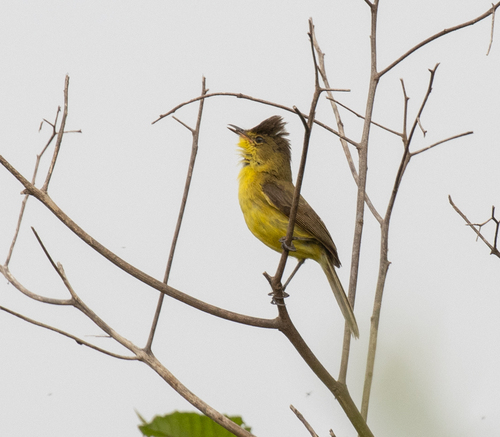 African Yellow WarblerIduna natalensisThe African yellow warbler is a medium-sized warbler in which the whole of the upperparts and tail are yellowish-brown, with a slightly browner crown and yellower rump.
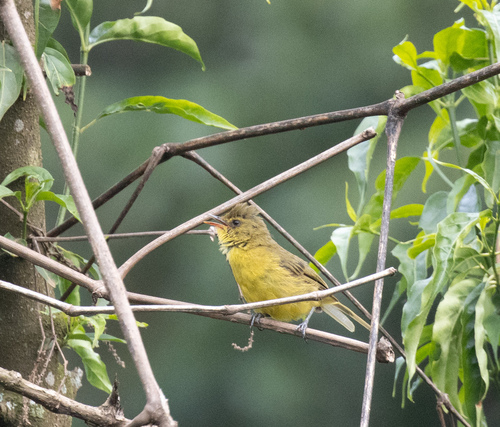 Mountain Yellow WarblerIduna similisThis is a medium-sized bird with an olive and yellow coloration throughout the plumage.
 Sykes's WarblerIduna ramaIt is a small warbler, especially compared to others in their genus.
Learn the Western Olivaceous Warbler in the BeakBrain App
Photo and call practice. Coming soon to iPhone and Android.
Play today's Daily BirdEvery photo and recording on this page is credited to its author under the licence shown. Spotted a problem with this page, or have a better photo? Contribute.