Learn what every symbol on the card means.Full credits and sources at beakbrain.com/symbols
 GrasslandCup nestSmall · 15 g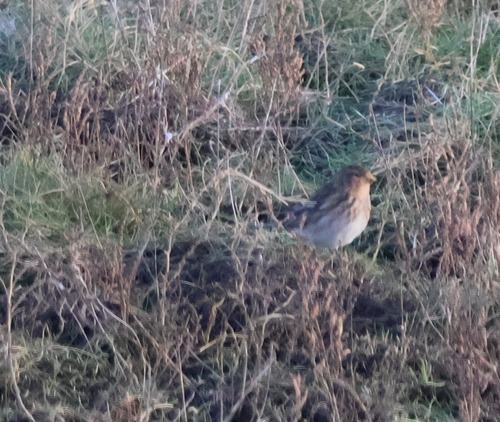



What the Twite sounds like


ID tip
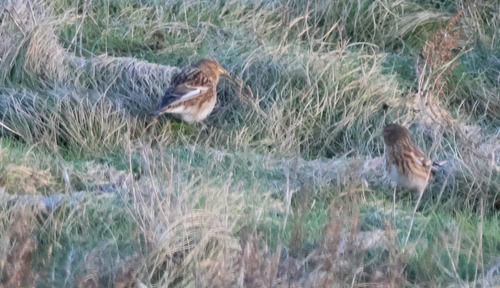
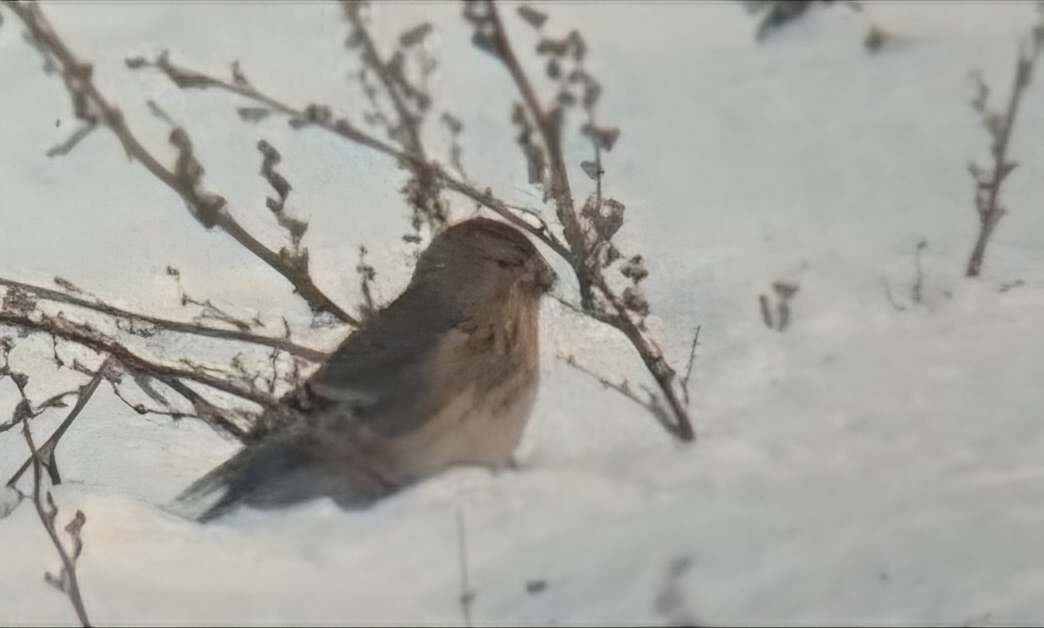
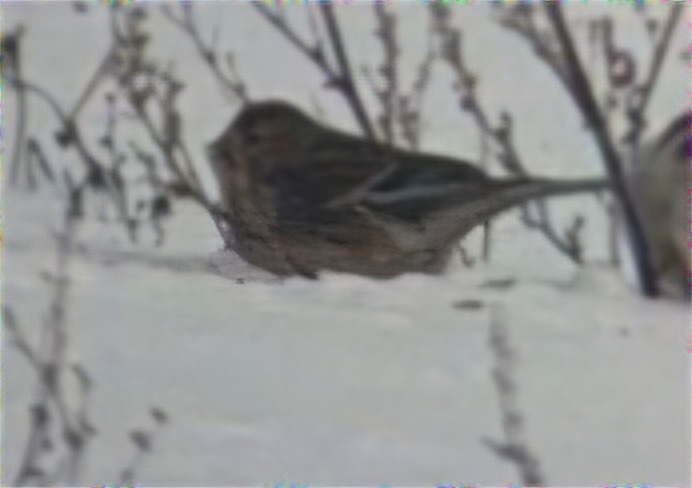
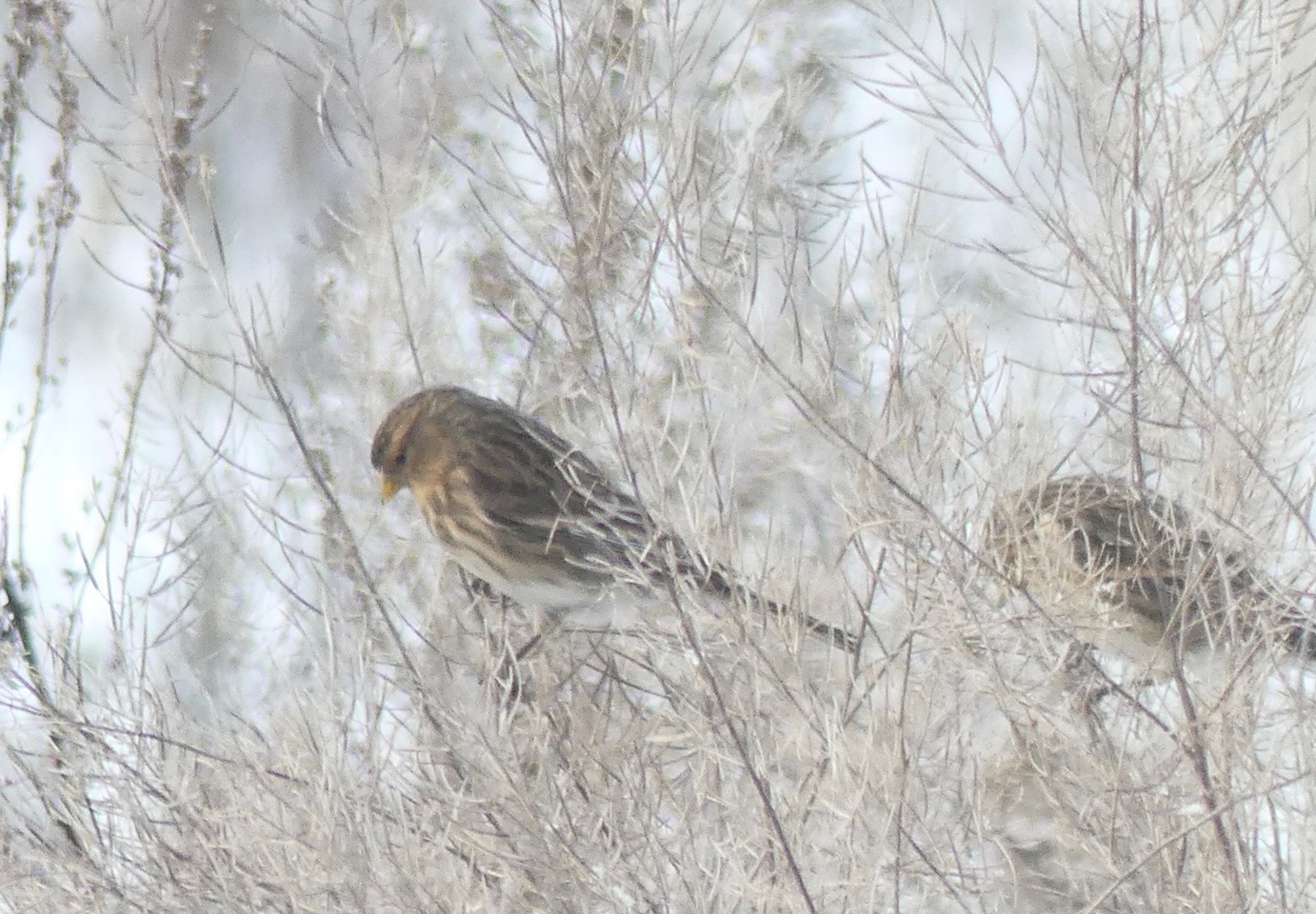
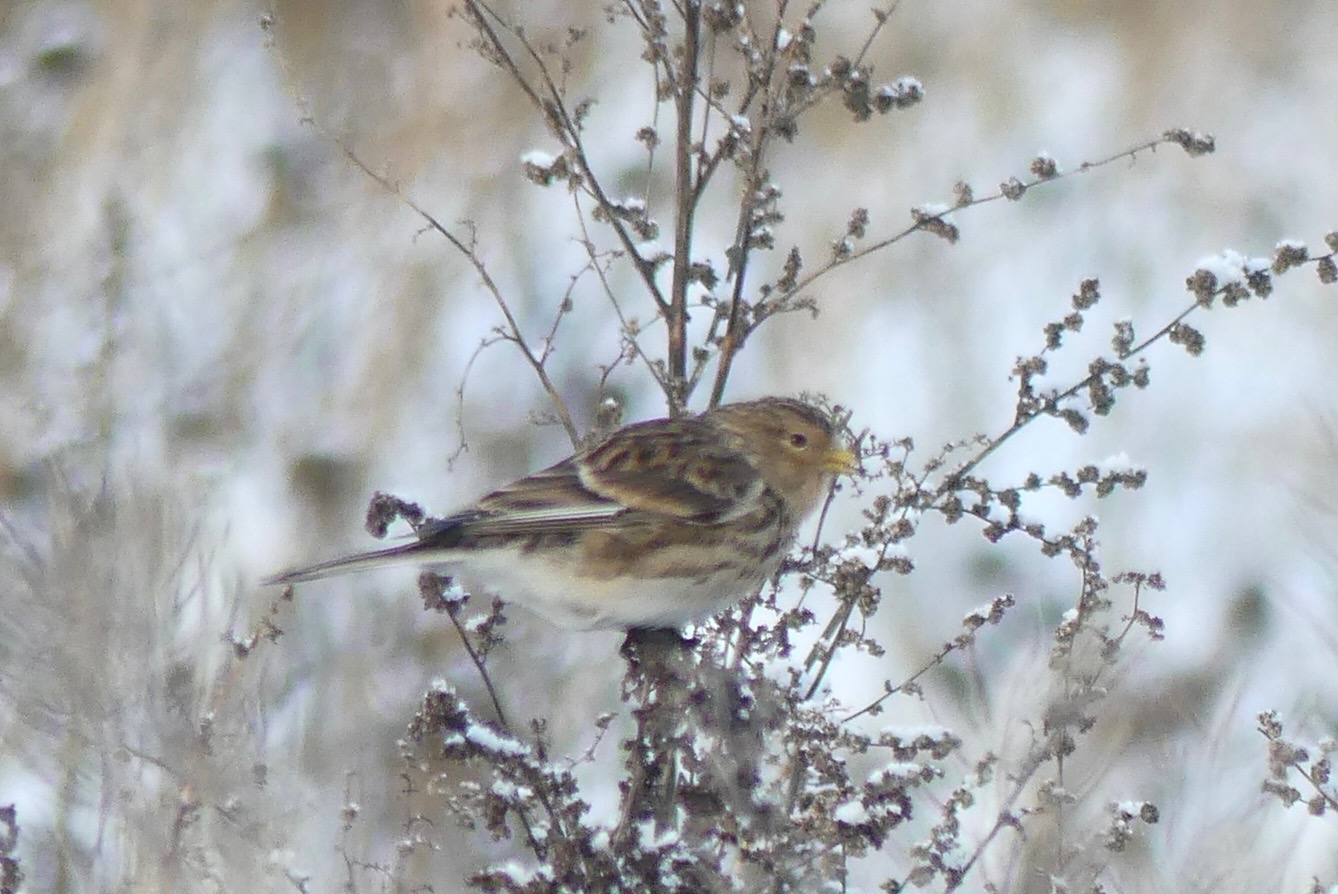
The twite is similar in size and shape to a linnet, at 13 to 13.5 cm (5.1 to 5.3 in) long. It lacks the red head patch and breast shown by the linnet and the redpolls. It is brown streaked with black above; adult males also have a pink rump, immatures and females a brown rump. The underparts are buff to whitish, streaked with brown. The conical bill is yellow in winter and grey in summer. The call is a very distinctive nasal twaa-it, from which its name derives, and the song contains fast trills and twitters.
Text from Wikipedia, licensed CC BY-SA 4.0.
When to see the Twite
One bar for each month. Filled bars are the 9 months with records; pale bars are months with none. The wide bar is October, the month with the most records.
Where to see the Twite
The map shades 37 countries with regular records, and 4 more in a lighter tone where the bird turns up only as a stray. Everything unshaded has no records. Countries are listed below the map.
Recorded as a rare visitor in Bulgaria, Italy, Pakistan, Spain.
About the Twite
The twite is a small brown passerine bird in the finch family Fringillidae. It is a partially migratory species that is found in a strongly disjunct distribution in northern Europe, and in Asian mountains from eastern Turkey to Nepal, western China and Mongolia. It mainly feeds on small seeds but occasionally also feeds on insects.
Text adapted from Wikipedia, licensed CC BY-SA 4.0.
Easily confused with
 Yemen LinnetLinaria yemenensisThe Yemen linnet is a species of finch in the family Fringillidae.
Warsangli LinnetLinaria johannisThe Warsangli linnet is a species of finch in the family Fringillidae.
Yemen LinnetLinaria yemenensisThe Yemen linnet is a species of finch in the family Fringillidae.
Warsangli LinnetLinaria johannisThe Warsangli linnet is a species of finch in the family Fringillidae.
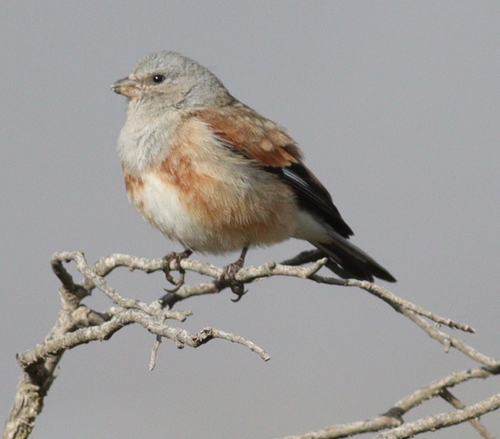
 Common LinnetLinaria cannabinaThe common linnet is a slim bird with a long tail.
Side by side: Common Linnet vs Twite
Learn the Twite in the BeakBrain App
Photo and call practice. Coming soon to iPhone and Android.
Play today's Daily BirdEvery photo and recording on this page is credited to its author under the licence shown. Spotted a problem with this page, or have a better photo? Contribute.