Learn what every symbol on the card means.Full credits and sources at beakbrain.com/symbols
 ForestCavity nestLarge · 697 g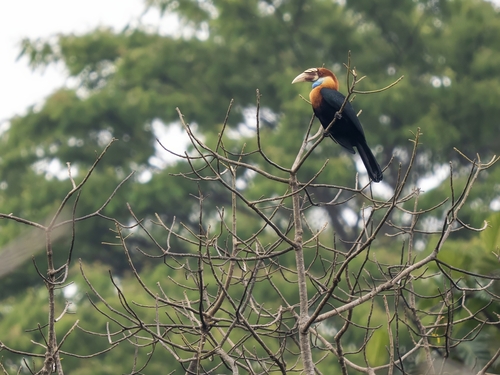
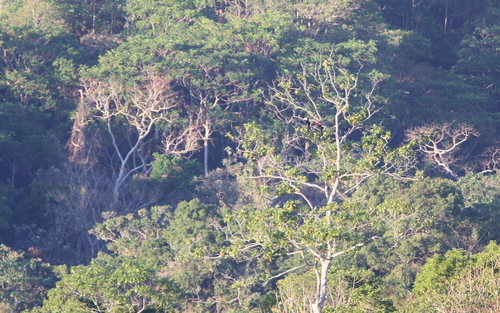
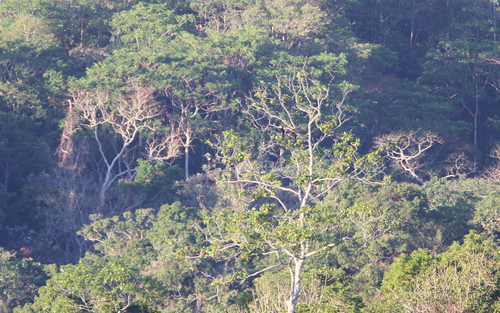


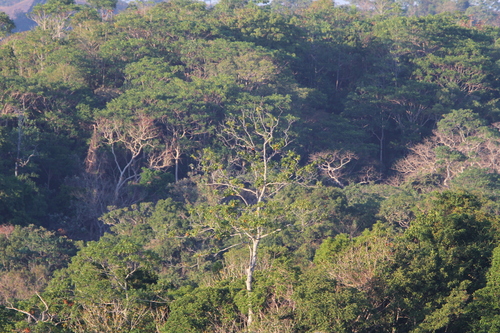
ID tip
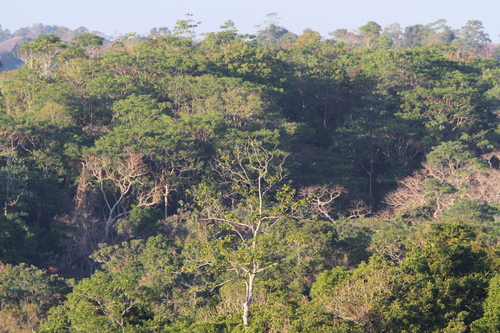
It is a medium-sized, blackish hornbill, approximately 70 cm long. The male is dark reddish-brown on the crown and nape, with a paler neck. The female has entirely black plumage. Both sexes have a large, dull, yellowish bill with a maroon patch at the base, a serrated casque, and an inflatable blue throat.
Text from Wikipedia, licensed CC BY-SA 4.0.
When to see the Sumba Hornbill
One bar for each month. Filled bars are the 6 months with records; pale bars are months with none. The wide bar is August, the month with the most records.
Where to see the Sumba Hornbill
The map shades 1 country with regular records. Everything unshaded has no records. Countries are listed below the map.
About the Sumba Hornbill
Sumba hornbill, or known natively as Julang is a large bird belonging to the family of Bucerotidae, endemic and native to the Indonesian island of Sumba. The scientific name commemorates British colonial administrator and zoological collector Alfred Hart Everett.
Text adapted from Wikipedia, licensed CC BY-SA 4.0.
Easily confused with
 Narcondam HornbillRhyticeros narcondamiThe Narcondam hornbill is a small hornbill at 66 cm (26 in) long.
 Plain-pouched HornbillRhyticeros subruficollisThe plain-pouched hornbill is a species of hornbill in the family Bucerotidae.
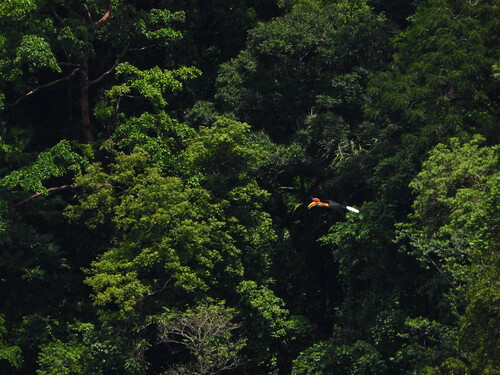 Knobbed HornbillRhyticeros cassidixThis is a large black hornbill with a yellow bill, white tail feathers, pale blue skin around eye, blackish feet and bare dark blue throat.
Learn the Sumba Hornbill in the BeakBrain App
Photo and call practice. Coming soon to iPhone and Android.
Play today's Daily BirdEvery photo and recording on this page is credited to its author under the licence shown. Spotted a problem with this page, or have a better photo? Contribute.