Learn what every symbol on the card means.Full credits and sources at beakbrain.com/symbols
 RockyScrapeMedium · 193 g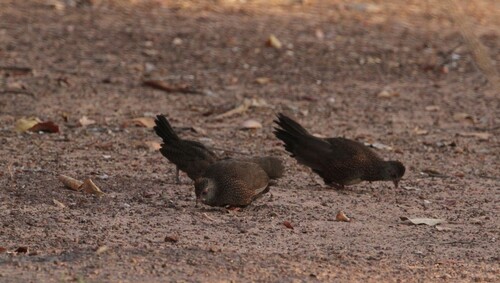
ID tip
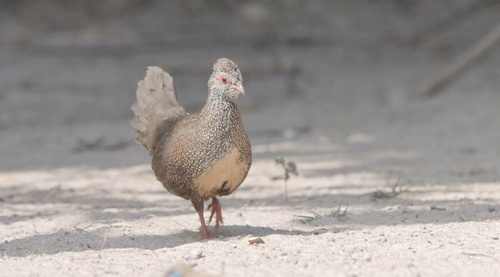
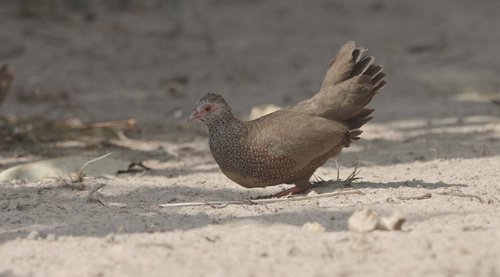
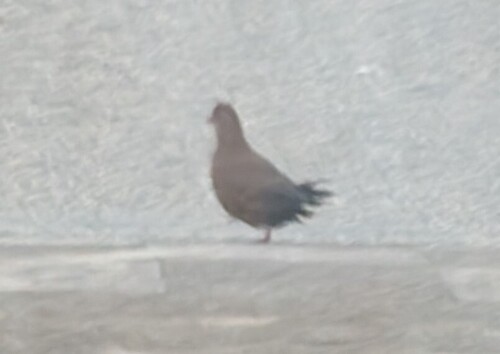
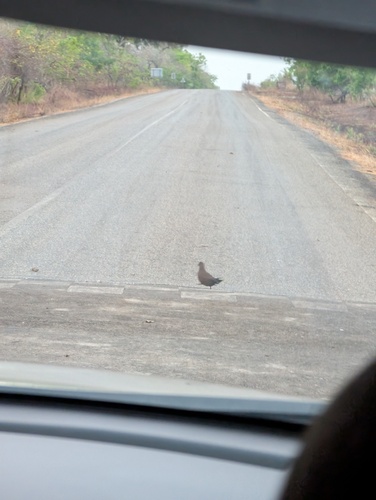
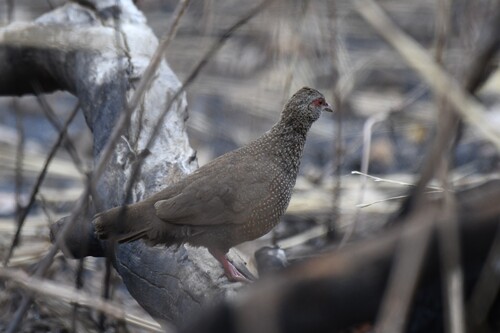
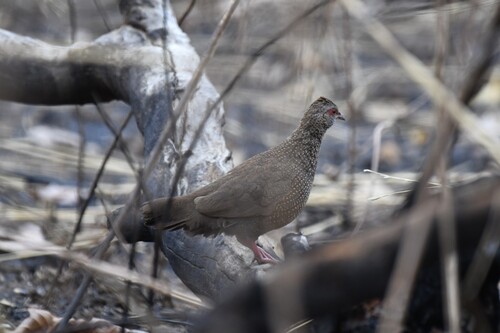
The stone partridge is exceptional among gamebirds in that the female, to human eyes, is showier than the male. Both sexes are predominantly earthy chocolate brown above, with sparse, pale, cream-grey spotting. The head, neck, and chest are paler brown and have broad cream edging to the feathers that gives the bird a scaled appearance. In males, the lower chest and belly are orange-cream; in females, very pale cream. Both sexes raise their crown feathers to form a rudimentary crest, but the feathers of females are somewhat longer, hence more obvious when raised.
Text from Wikipedia, licensed CC BY-SA 4.0.
When to see the Stone Partridge
One bar for each month, and every month is filled: this bird is recorded here in all twelve. The wide bar is December, the month with the most records.
Where to see the Stone Partridge
The map shades 18 countries with regular records, and 1 more in a lighter tone where the bird turns up only as a stray. Everything unshaded has no records. Countries are listed below the map.
Recorded as a rare visitor in Mauritania.
About the Stone Partridge
The stone partridge is a bird of the New World quail family. This largely brown bird, which commonly holds its tail raised, is found in scrubland and lightly wooded habitats, often near rocks, from Kenya and Ethiopia to Gambia.
Text adapted from Wikipedia, licensed CC BY-SA 4.0.
Easily confused with
Learn the Stone Partridge in the BeakBrain App
Photo and call practice. Coming soon to iPhone and Android.
Play today's Daily BirdEvery photo and recording on this page is credited to its author under the licence shown. Spotted a problem with this page, or have a better photo? Contribute.