Learn what every symbol on the card means.Full credits and sources at beakbrain.com/symbols
 WoodlandCavity nestSmall · 16 g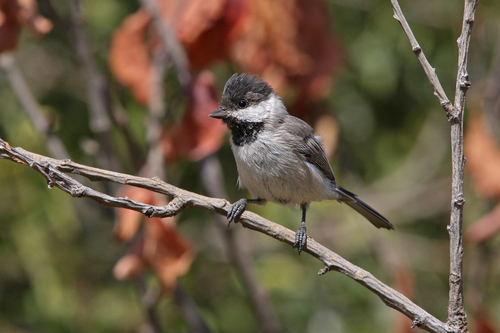
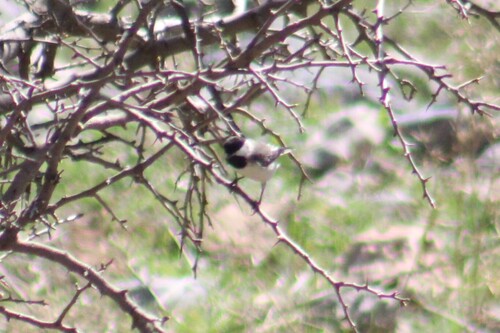
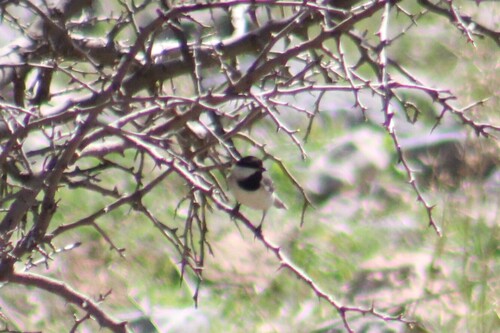
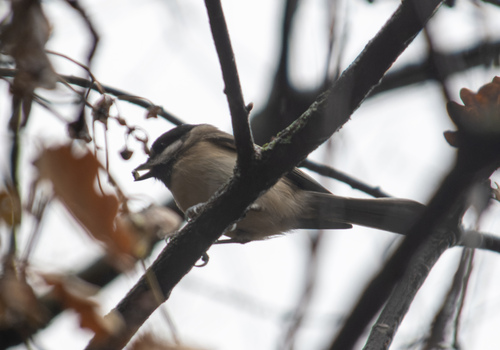
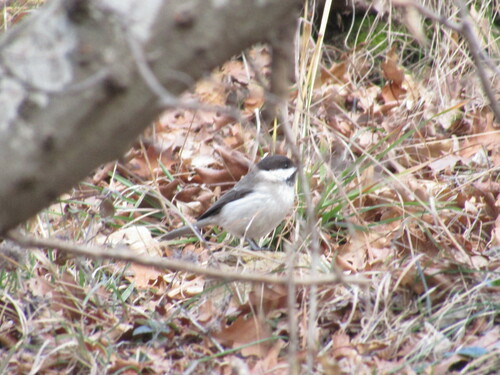


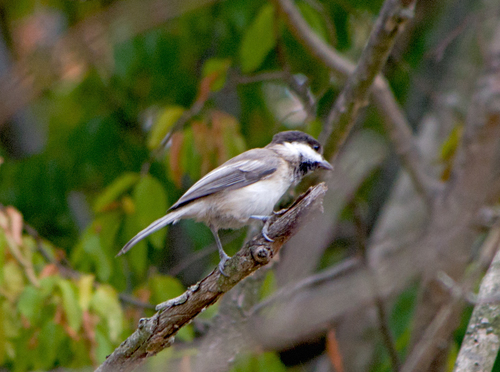
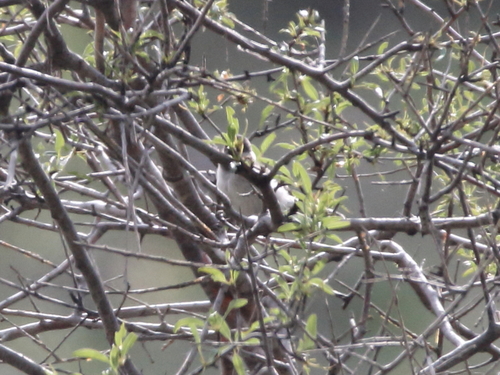
ID tip
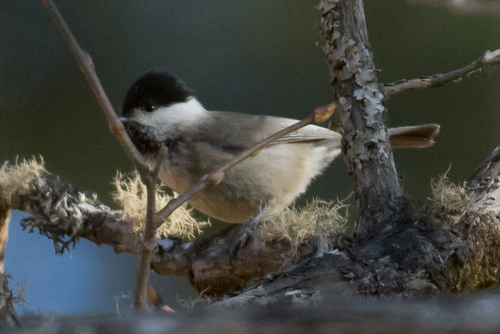
The sombre tit is slightly smaller than a great tit (Parus major) with similar proportions, although in plumage it most resembles a willow tit (Poecile montanus) but it has a brownish to grey-black cap which extends further into the sides of the head with the off-white cheek patch being restricted to a narrow triangle by the larger bib. The head is often peaked when the bird is in an upright stance, unlike the willow tit. Compared to the sympatric marsh tit (P. palustris) the sombre tit has a proportionately longer tail. The juveniles are duller and tinged with brown than the adults.
Text from Wikipedia, licensed CC BY-SA 4.0.
When to see the Sombre Tit
One bar for each month. Filled bars are the 9 months with records; pale bars are months with none. The wide bar is May, the month with the most records.
Where to see the Sombre Tit
The map shades 16 countries with regular records, and 2 more in a lighter tone where the bird turns up only as a stray. Everything unshaded has no records. Countries are listed below the map.
About the Sombre Tit
The sombre tit is a species of passerine bird belonging to the family Paridae, the "true" tits and chickadees. This species is found in southeast Europe and southwest Asia.
Text adapted from Wikipedia, licensed CC BY-SA 4.0.
Easily confused with
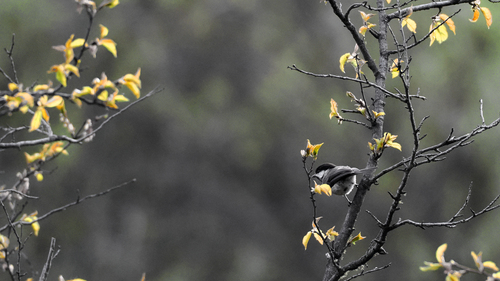 Sichuan TitPoecile weigoldicusThe Sichuan tit is a species of bird in the tit family Paridae.
 Black-bibbed TitPoecile hypermelaenusThe black-bibbed tit is a species of bird in the tit family Paridae.
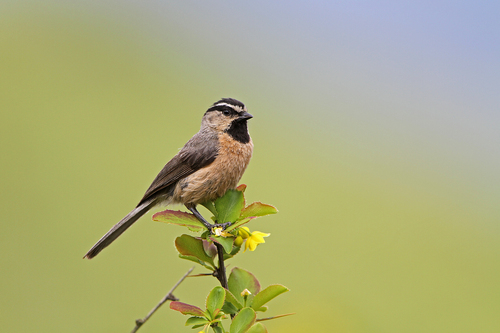 White-browed TitPoecile superciliosusThe white-browed tit is a species of bird in the tit family Paridae.
Side by side: Boreal Chickadee vs Sombre Tit · Mexican Chickadee vs Sombre Tit
Learn the Sombre Tit in the BeakBrain App
Photo and call practice. Coming soon to iPhone and Android.
Play today's Daily BirdEvery photo and recording on this page is credited to its author under the licence shown. Spotted a problem with this page, or have a better photo? Contribute.