Learn what every symbol on the card means.Full credits and sources at beakbrain.com/symbols
 RockyDomed nestTiny · 14 g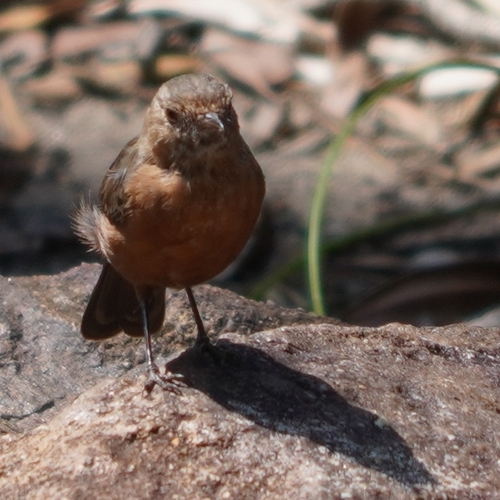

ID tip
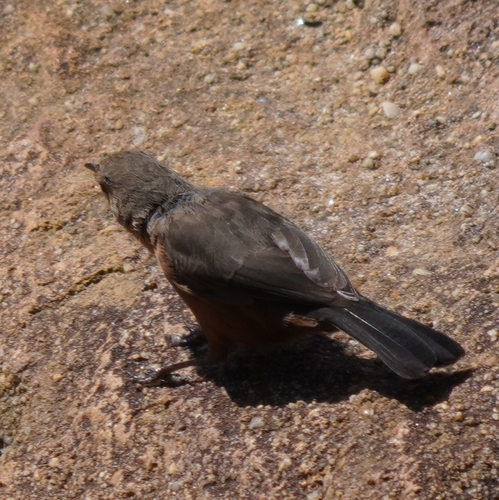
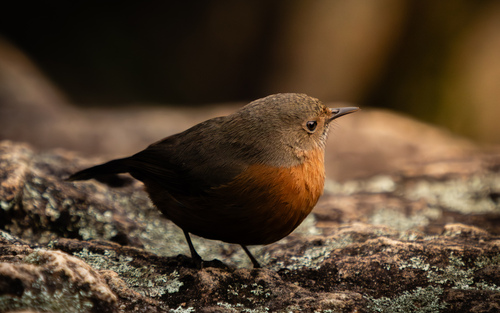
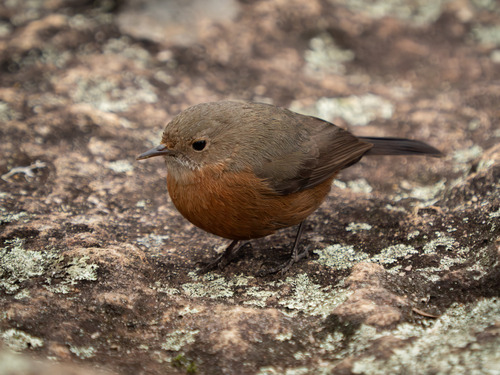
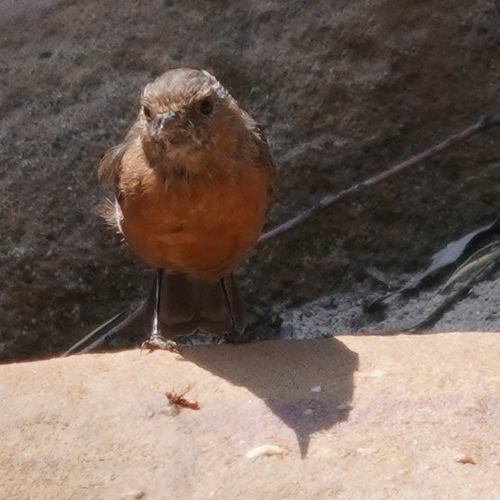
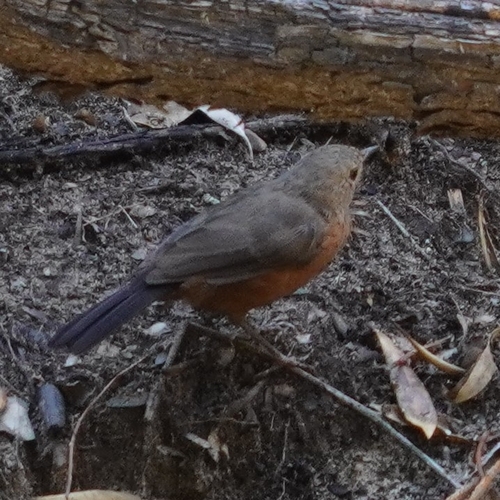
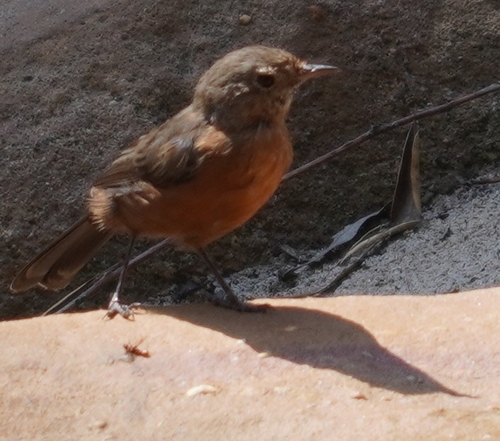
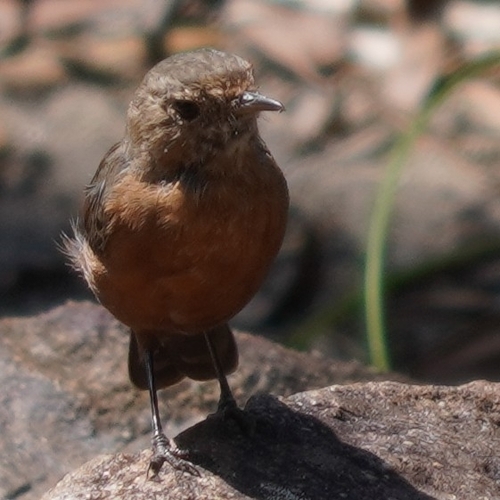
The rockwarbler is 14 cm (5.5 in) in length and weighs around 14 g (0.5 oz), with predominantly dark grey-brown plumage, darker wings and more red-brown underparts, cinnamon-tinged face and forehead, and whitish throat. Its tail is black. Adult males and females have similar plumage. Juveniles have duller and paler plumage than the adult, with a reddish tint to the throat, and a greyer chin. It can be distinguished from the pilotbird by its smaller size and head, white throat patch, and square tail.
Text from Wikipedia, licensed CC BY-SA 4.0.
When to see the Rockwarbler
One bar for each month, and every month is filled: this bird is recorded here in all twelve. The wide bar is October, the month with the most records.
Where to see the Rockwarbler
The map shades 1 country with regular records. Everything unshaded has no records. Countries are listed below the map.
About the Rockwarbler
The rockwarbler, is a bird in the family Acanthizidae. It is the only bird species endemic to the mainland of the state of New South Wales in Australia.
Text adapted from Wikipedia, licensed CC BY-SA 4.0.
Easily confused with

Learn the Rockwarbler in the BeakBrain App
Photo and call practice. Coming soon to iPhone and Android.
Play today's Daily BirdEvery photo and recording on this page is credited to its author under the licence shown. Spotted a problem with this page, or have a better photo? Contribute.