Learn what every symbol on the card means.Full credits and sources at beakbrain.com/symbols
 ShrublandCup nestSmall · 37 g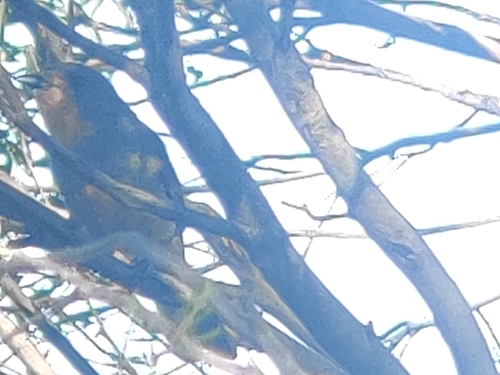


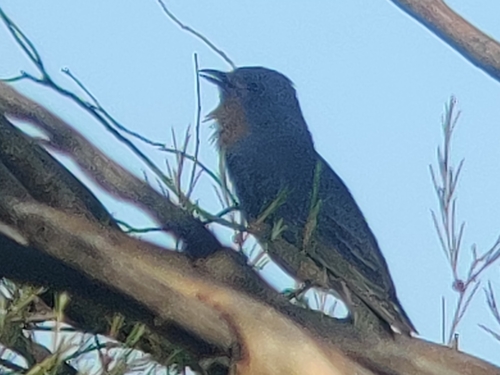
ID tip
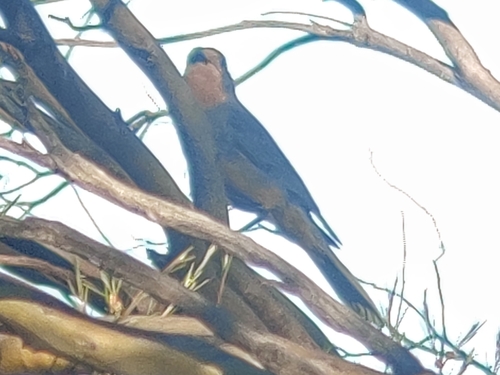
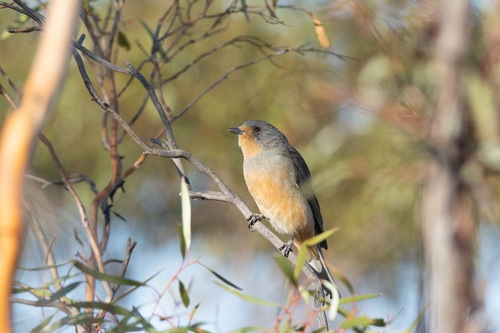
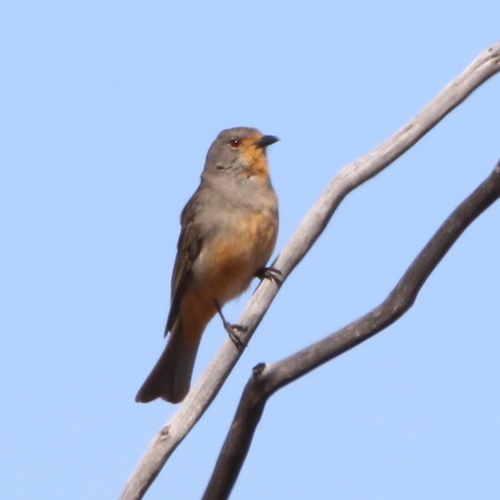
The male has an orange/buff face and throat, a grey breastband extending around the neck and over the head and rufous underparts with pale yellow/olive edging to primaries. Some males are reported having a buff collar. The female is similar but with paler throat and underparts, with a hint of buff. The eye is red, and bill and legs are dark. They weigh 30–38 g (1.1–1.3 oz) and have a length of 19–22 cm (7.5–8.7 in). Voice: The presence of the red-lored whistler is most often revealed by its calls, which are described as charming, sweet, wistful and haunting with varied notes. Individuals respond to 'pishing' and will approach a 'pisher'.
Text from Wikipedia, licensed CC BY-SA 4.0.
When to see the Red-lored Whistler
One bar for each month. Filled bars are the 9 months with records; pale bars are months with none. The wide bar is October, the month with the most records.
Where to see the Red-lored Whistler
The map shades 1 country with regular records. Everything unshaded has no records. Countries are listed below the map.
About the Red-lored Whistler
The red-lored whistler is one of nine species of whistler occurring in Australia and a member of the family Pachycephalidae which includes whistlers, shrike-thrushes, pitohuis and allies. The limited range of this endemic bird of the Mallee woodland in one small area in New South Wales and another, larger area encompassing north-western Victoria and adjacent South Australia has seen it listed nationally as vulnerable.
Text adapted from Wikipedia, licensed CC BY-SA 4.0.
Easily confused with
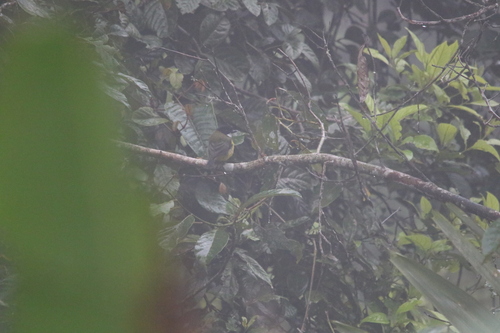 Sclater's WhistlerPachycephala sororSclater's whistler or the hill golden whistler, is a species of bird in the family Pachycephalidae found in the highlands of New Guinea.
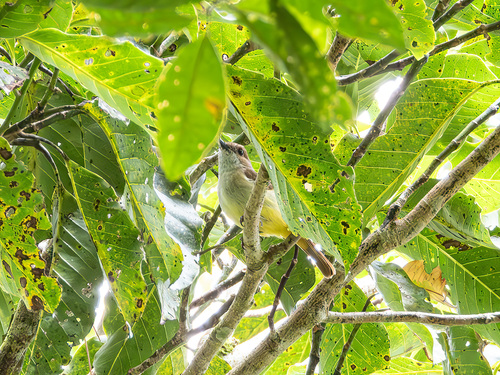 Sulphur-vented WhistlerPachycephala sulfuriventerThe sulphur-vented whistler or sulphur-bellied whistler is a species of bird in the family Pachycephalidae.
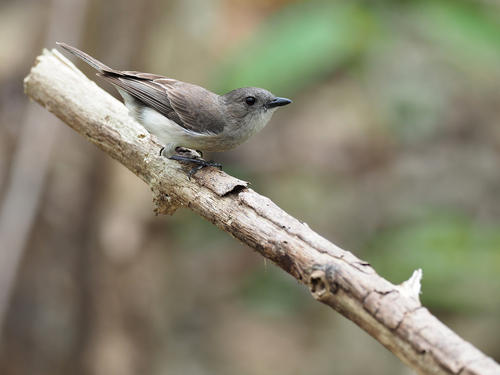 Drab WhistlerPachycephala griseonotaThe drab whistler is a species of bird in the family Pachycephalidae.
Learn the Red-lored Whistler in the BeakBrain App
Photo and call practice. Coming soon to iPhone and Android.
Play today's Daily BirdEvery photo and recording on this page is credited to its author under the licence shown. Spotted a problem with this page, or have a better photo? Contribute.