Learn what every symbol on the card means.Full credits and sources at beakbrain.com/symbols
 ShrublandDomed nestSmall · 26 g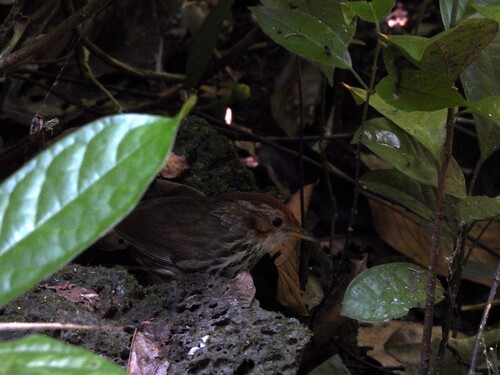
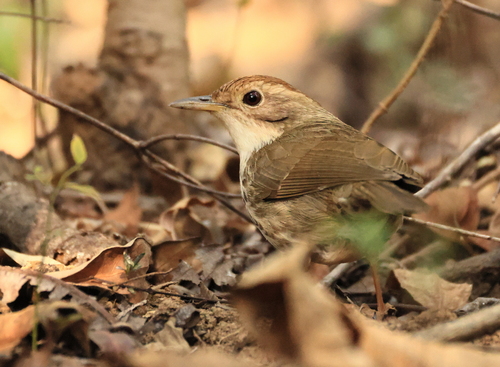

What the Puff-throated Babbler sounds like


ID tip
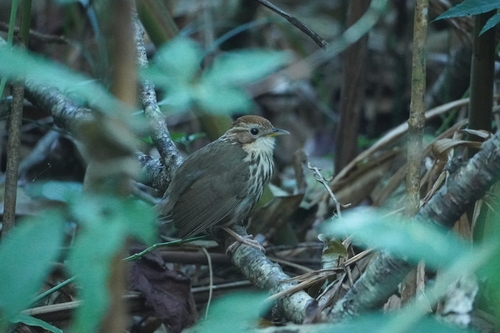
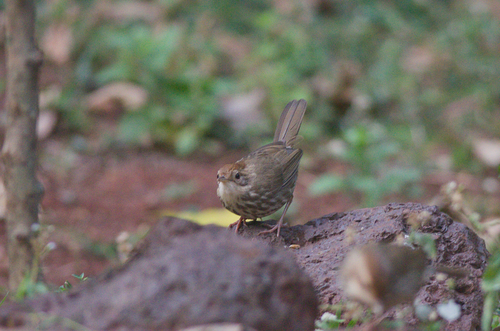
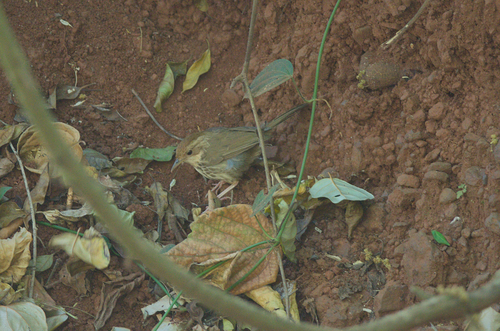
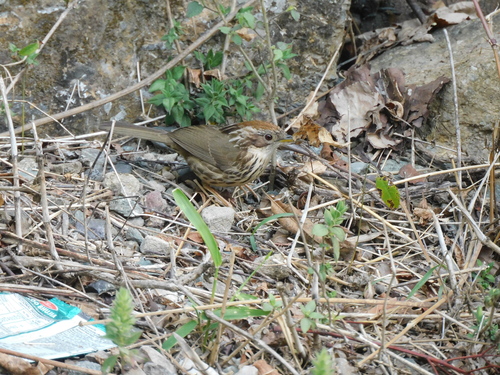
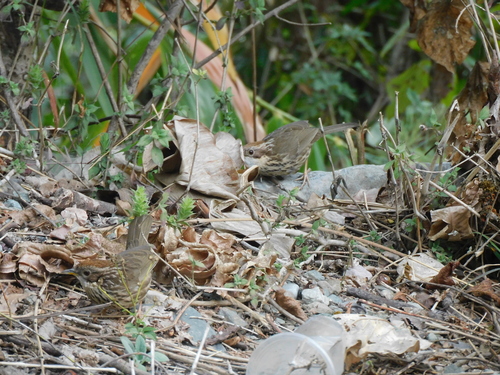
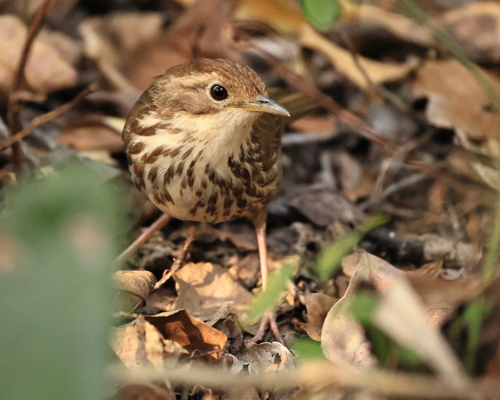
Puff-throated babblers are brown above, and white below with heavily brown streaks towards the breast and belly. They have a chestnut crown, long buff supercilium and dusky cheeks. The throat is white, and is sometimes puffed out giving it the English name. Puff-throated babblers have strong legs, and spend a lot of time on the forest floor. They can often be seen creeping through undergrowth in search of their insect food, looking at first glance like a song thrush. Some subspecies have streaks on the mantle while others, especially in Peninsular India, are unstreaked.
Text from Wikipedia, licensed CC BY-SA 4.0.
When to see the Puff-throated Babbler
One bar for each month, and every month is filled: this bird is recorded here in all twelve. The wide bar is February, the month with the most records.
Where to see the Puff-throated Babbler
The map shades 11 countries with regular records. Everything unshaded has no records. Countries are listed below the map.
About the Puff-throated Babbler
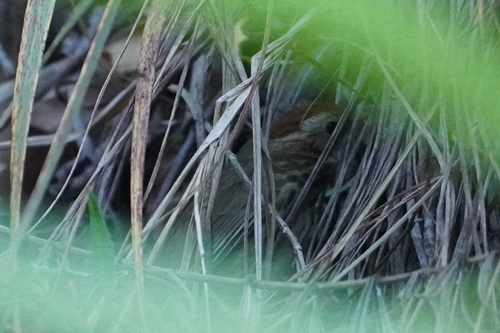
The puff-throated babbler or spotted babbler is a species of passerine bird found in Asia. They are found in scrub and moist forest mainly in hilly regions. They forage in small groups on the forest floor, turning around leaf litter to find their prey and usually staying low in the undergrowth where they can be hard to spot. However, they have loud and distinct calls, including a morning song, contact and alarm calls. It is the type species of the genus Pellorneum which may, however, currently include multiple lineages.
Text adapted from Wikipedia, licensed CC BY-SA 4.0.
Easily confused with
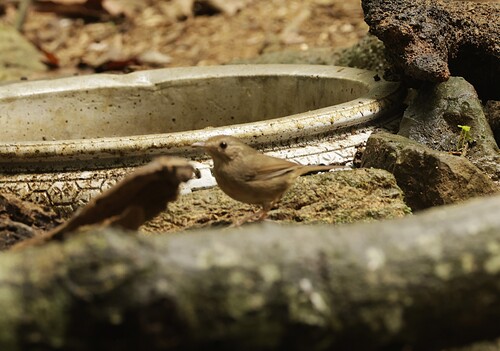 Buff-breasted BabblerPellorneum tickelliThe buff-breasted babbler is a species of bird in the family Pellorneidae.
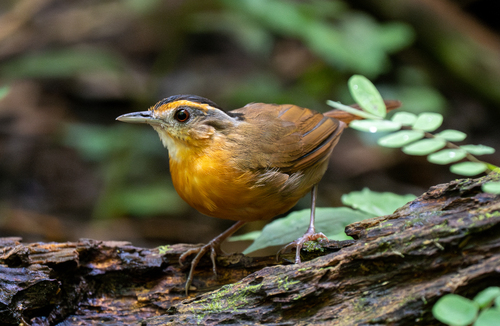 Javan Black-capped BabblerPellorneum capistratumThe Javan black-capped babbler is a species of bird in the family Pellorneidae.
 White-chested BabblerPellorneum rostratumThe Malayan swamp babbler, previously named the white-chested babbler, is a species of bird in the ground babbler family, Pellorneidae, that is found in the Malay Peninsula, Sumatra, the Riau Islands, the Lingga Islands and the island of Belitung.
Learn the Puff-throated Babbler in the BeakBrain App
Photo and call practice. Coming soon to iPhone and Android.
Play today's Daily BirdEvery photo and recording on this page is credited to its author under the licence shown. Spotted a problem with this page, or have a better photo? Contribute.