Learn what every symbol on the card means.Full credits and sources at beakbrain.com/symbols
 ForestCup nestMedium · 68 g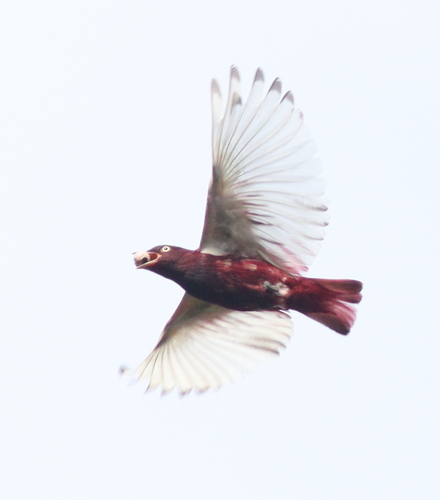
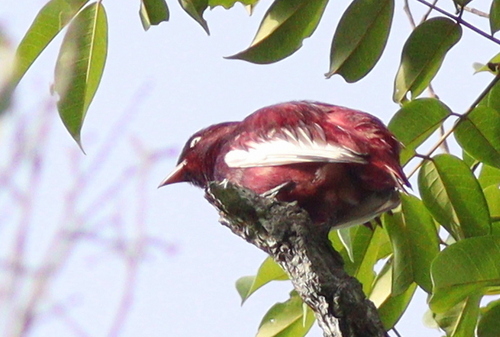
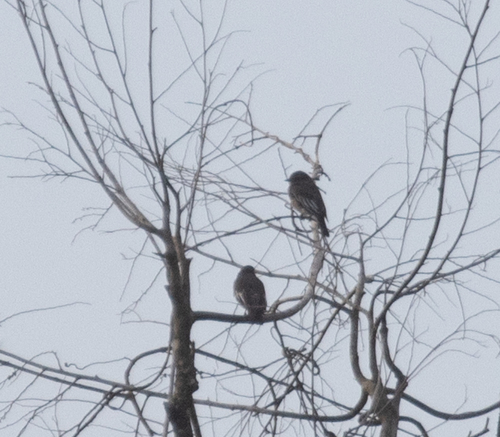
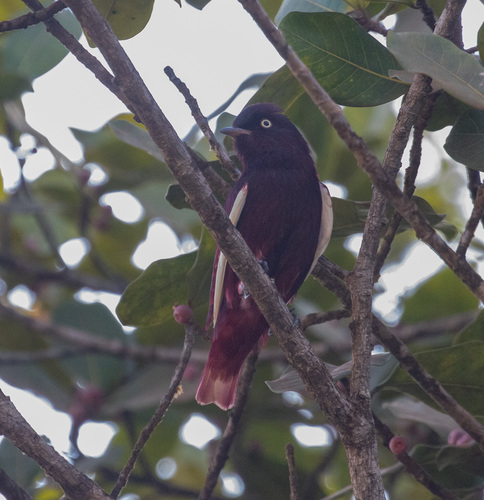


ID tip
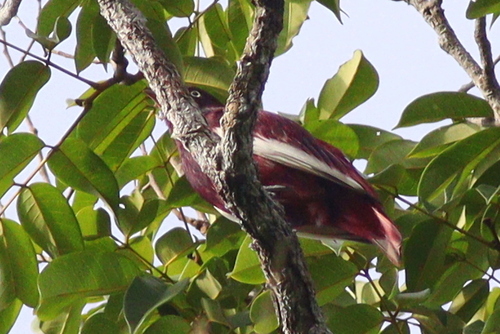
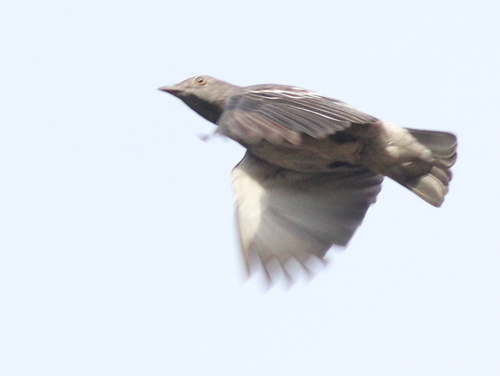
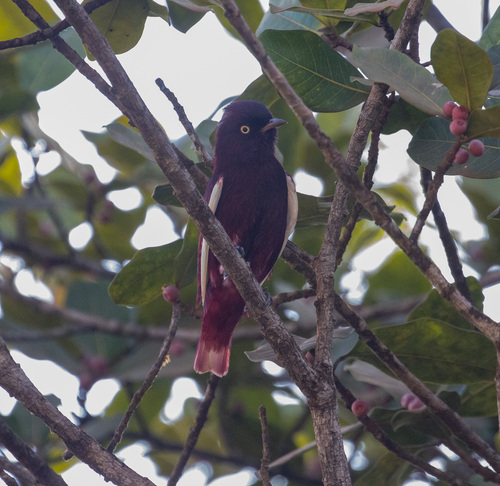
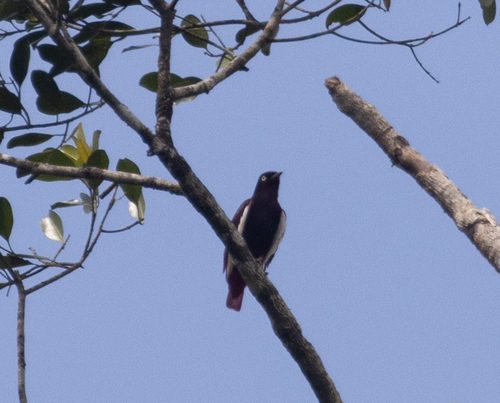
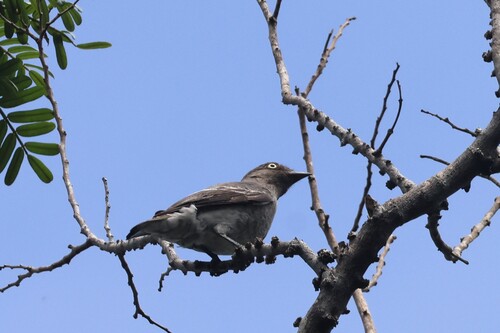
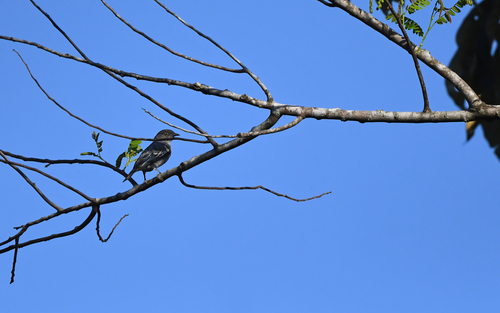
Individuals of Xipholena punicea are sexually dimorphic, with males displaying bright, complex colorization and females appearing more pale and grey. Males of this species have yellow eyes, stark white primary coverts with black wing tips, and a glossy, wine-red head and body. The distinguished burgundy color of the male individuals was previously thought to be a combination of "blue structural color and red carotenoid," but recent experimentation has shown that this species of Cotingidae does not utilize structural coloration.
Text from Wikipedia, licensed CC BY-SA 4.0.
When to see the Pompadour Cotinga
One bar for each month. Filled bars are the 10 months with records; pale bars are months with none. The wide bar is September, the month with the most records.
Where to see the Pompadour Cotinga
The map shades 8 countries with regular records. Everything unshaded has no records. Countries are listed below the map.
About the Pompadour Cotinga
The pompadour cotinga is a species of bird in the family Cotingidae. This species lives in the Amazonian rainforest and has a range that extends across the Amazon Basin and includes Brazil, Peru, Colombia, Venezuela, and the Guianas. The pompadour cotinga is primarily a frugivore but has been known to consume insects on occasion. This species of cotinga is distinct in that the males have a burgundy head and body, bright white wings, and yellow eyes. Like other members of the Cotingidae, this species is sexually dimorphic and the females have a pale grey head and body.
Text adapted from Wikipedia, licensed CC BY-SA 4.0.
Easily confused with
Learn the Pompadour Cotinga in the BeakBrain App
Photo and call practice. Coming soon to iPhone and Android.
Play today's Daily BirdEvery photo and recording on this page is credited to its author under the licence shown. Spotted a problem with this page, or have a better photo? Contribute.