Learn what every symbol on the card means.Full credits and sources at beakbrain.com/symbols
 ForestCup nestTiny · 12 g


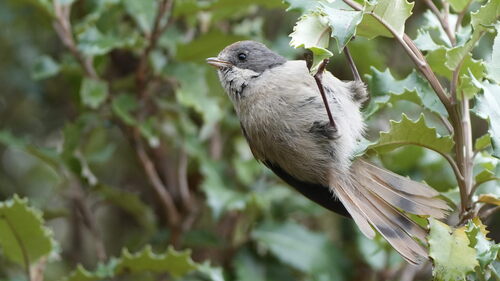
ID tip
A warm mix of brown and chestnut on the upper part of the bird whilst the lower section is a noticeably paler brown. The head is a mix of patches of chestnut brown and dark brown with spots and streaks. The face and zones behind it can be an ash/dark grey. The whiteish eye stripe is another distinguishing feature of brown creeper. The legs and beak are a pinkish or grey-brown colour. The tail is long, frayed and has a distinctive dark bar at the tip and the eyes are a dark reddish brown. The sexes and juveniles are very similar in appearance.
Text from Wikipedia, licensed CC BY-SA 4.0.
When to see the Pipipi
One bar for each month. Filled bars are the 9 months with records; pale bars are months with none. The wide bar is December, the month with the most records.
Where to see the Pipipi
The map shades 1 country with regular records. Everything unshaded has no records. Countries are listed below the map.
About the Pipipi
The pīpipi, also known as brown creeper or New Zealand creeper, is a small passerine bird endemic to the South Island, Stewart Island and their surrounding islands, in New Zealand. It was called the New Zealand titmouse in the 1780s. It is a specialist insectivore, gleaning insects from branches and leaves. They have strong legs and toes for hanging upside down while feeding.
Text adapted from Wikipedia, licensed CC BY-SA 4.0.
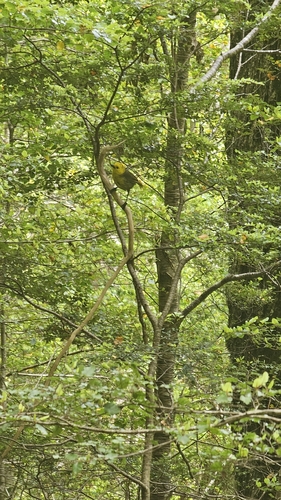
Easily confused with

Learn the Pipipi in the BeakBrain App
Photo and call practice. Coming soon to iPhone and Android.
Play today's Daily BirdEvery photo and recording on this page is credited to its author under the licence shown. Spotted a problem with this page, or have a better photo? Contribute.