Learn what every symbol on the card means.Full credits and sources at beakbrain.com/symbols
 WoodlandCavity nest66 g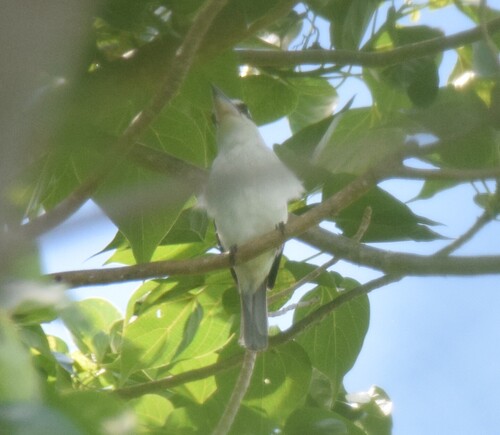
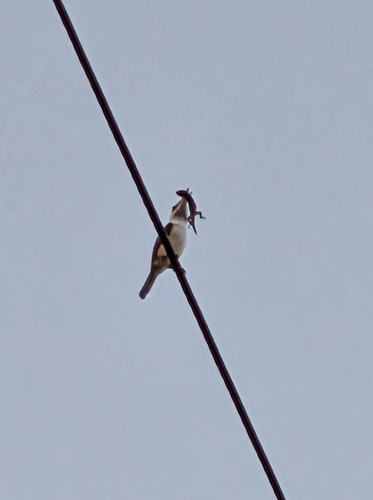


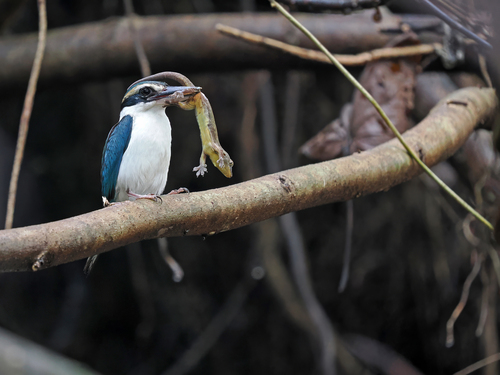
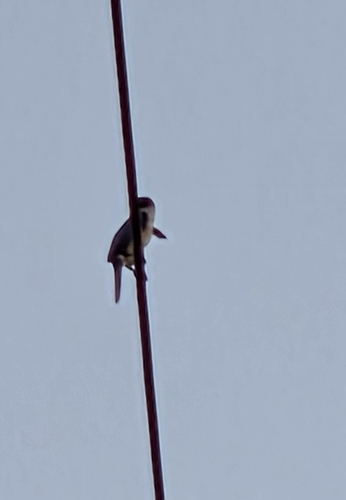
ID tip
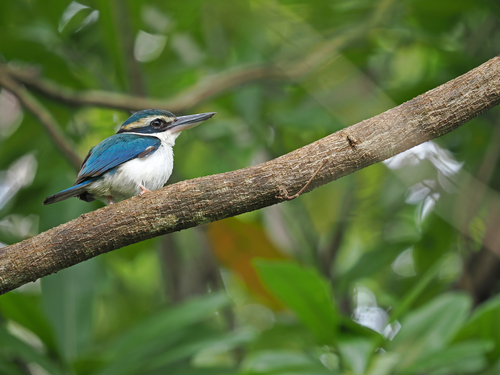
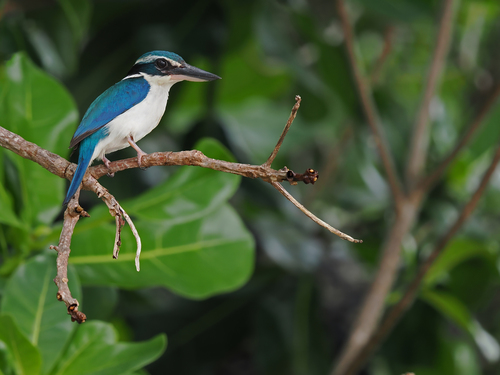
It has a variety of calls which vary geographically. The most typical call is loud, harsh and metallic and is repeated several times. The Pacific kingfisher (Todiramphus sacer), a medium-sized tree kingfisher, typically measures around 25 cm (9.8 in) long, with a wingspan of roughly 35 cm (14 in), weighing between 51 to 100 g (1.8 to 3.5 oz), featuring striking blue-green plumage, white underparts, and a distinct orange bill.
Text from Wikipedia, licensed CC BY-SA 4.0.
When to see the Pacific Kingfisher
One bar for each month, and every month is filled: this bird is recorded here in all twelve. The wide bar is October, the month with the most records.
Where to see the Pacific Kingfisher
The map shades 6 countries with regular records, and 1 more in a lighter tone where the bird turns up only as a stray. Everything unshaded has no records. Countries are listed below the map.
Recorded as a rare visitor in Samoa.
About the Pacific Kingfisher
The Pacific kingfisher is a medium-sized kingfisher belonging to the subfamily Halcyoninae, the tree kingfishers. It has a wide range throughout the South Pacific islands, including American Samoa, Fiji, Tonga, the Solomon Islands and Vanuatu. It was previously considered a subspecies of the collared kingfisher.
Text adapted from Wikipedia, licensed CC BY-SA 4.0.
Easily confused with
 Mariana KingfisherTodiramphus albicillaThe Mariana kingfisher is a species of bird in the family Alcedinidae.
 Beach KingfisherTodiramphus saurophagusThe beach kingfisher is a species of bird in the family Alcedinidae.
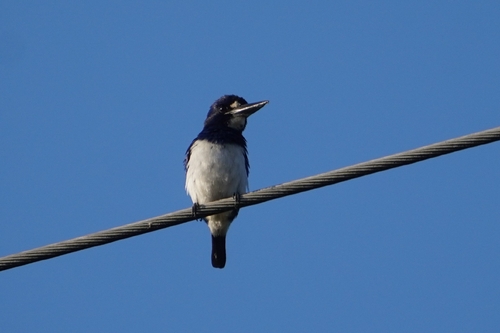 Blue-and-white KingfisherTodiramphus diopsThe blue-and-white kingfisher is a species of bird in the family Alcedinidae.
Side by side: Pacific Kingfisher vs Red-backed Kingfisher
Learn the Pacific Kingfisher in the BeakBrain App
Photo and call practice. Coming soon to iPhone and Android.
Play today's Daily BirdEvery photo and recording on this page is credited to its author under the licence shown. Spotted a problem with this page, or have a better photo? Contribute.