Learn what every symbol on the card means.Full credits and sources at beakbrain.com/symbols
 ForestCup nestTiny · 8 g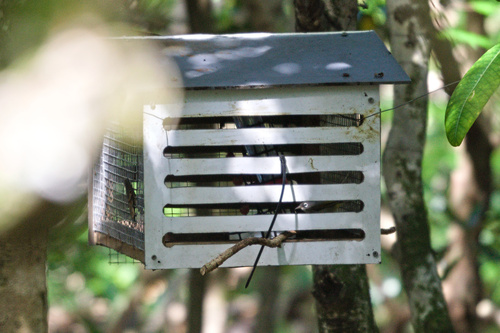

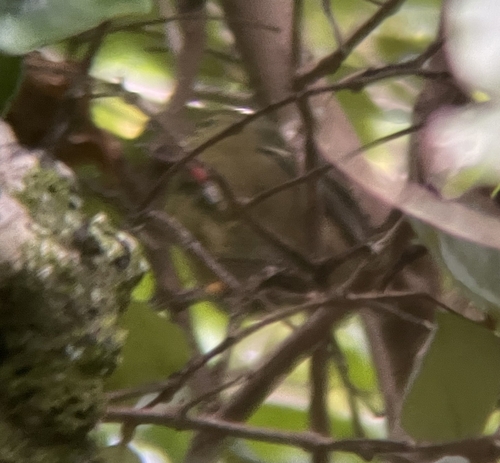
ID tip
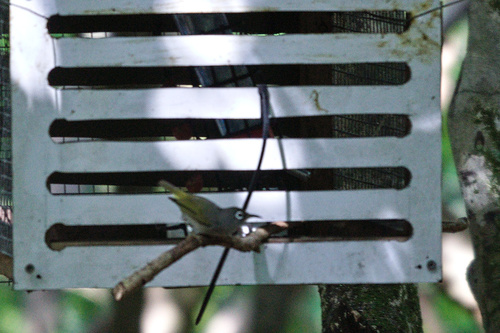
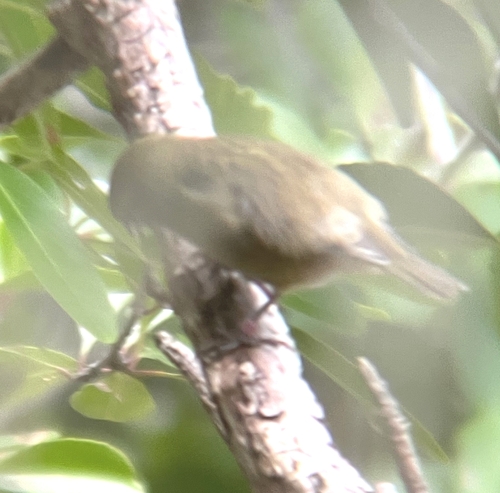
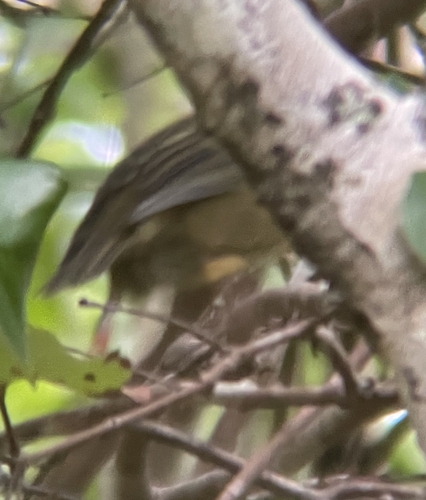
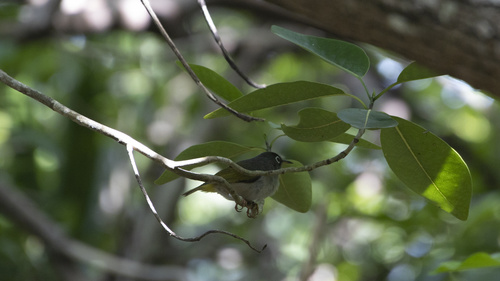
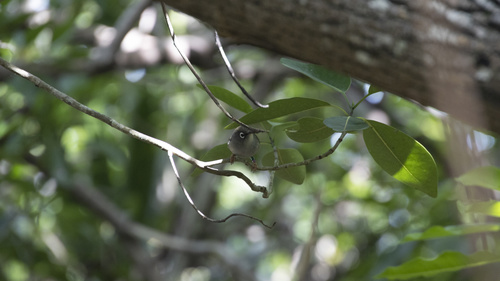
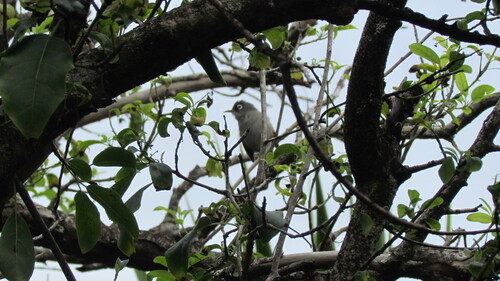
This species was first described in 1817 by French ornithologist Louis Pierre Vieillot as Zosterops chloronothos. It can reach a size of about 10 cm (3.9 in). The upperparts are a dull olive-green, the underparts a paler color. The belly and vent have a yellow hue and the eyes are surrounded by a conspicuous white ring. The males and females are similarly coloured. The habitat of the Mauritius olive white-eye is the evergreen bushes and forests in the area of the Black River Gorges National Park, the Macchabée-Bel Ombre Biosphere Reserve and, following re-introduction, on Île aux Aigrettes.
Text from Wikipedia, licensed CC BY-SA 4.0.
When to see the Mauritius Olive White-eye
One bar for each month. Filled bars are the 11 months with records; pale bars are months with none. The wide bar is October, the month with the most records.
Where to see the Mauritius Olive White-eye
The map shades 1 country with regular records. Everything unshaded has no records. Countries are listed below the map.
About the Mauritius Olive White-eye
The Mauritius olive white-eye is a very rare and localized passerine from the family of white-eyes (Zosteropidae). It is one of two white-eye species endemic to the island of Mauritius, the other being the Mauritius grey white-eye.
Text adapted from Wikipedia, licensed CC BY-SA 4.0.
Easily confused with
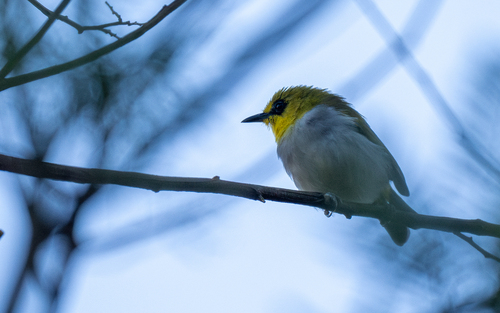 Black-ringed White-eyeZosterops anomalusThe black-ringed white-eye or lemon-throated white-eye is a species of bird in the family Zosteropidae.
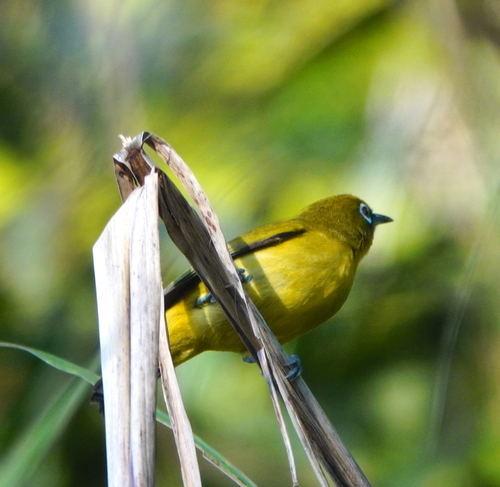 Buru White-eyeZosterops buruensisThe Buru white-eye is a species of bird in the family Zosteropidae.
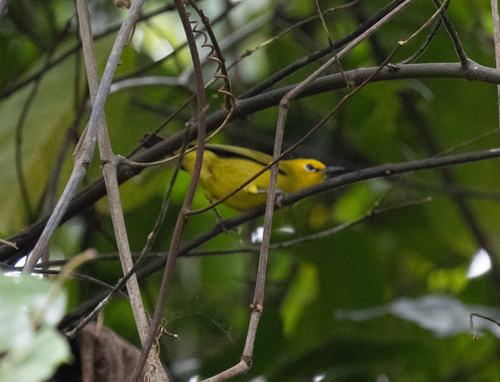 Pemba White-eyeZosterops vaughaniThe Pemba white-eye is a species of bird in the family Zosteropidae.
Learn the Mauritius Olive White-eye in the BeakBrain App
Photo and call practice. Coming soon to iPhone and Android.
Play today's Daily BirdEvery photo and recording on this page is credited to its author under the licence shown. Spotted a problem with this page, or have a better photo? Contribute.