Learn what every symbol on the card means.Full credits and sources at beakbrain.com/symbols
 GrasslandPlatform nestLarge · 664 g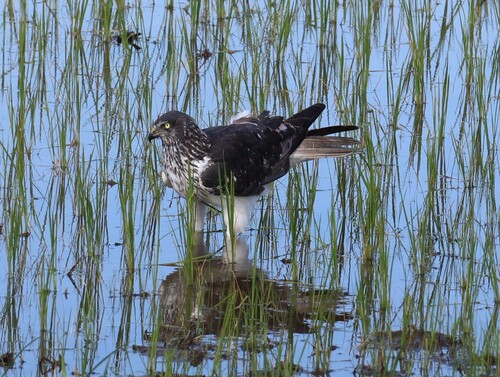
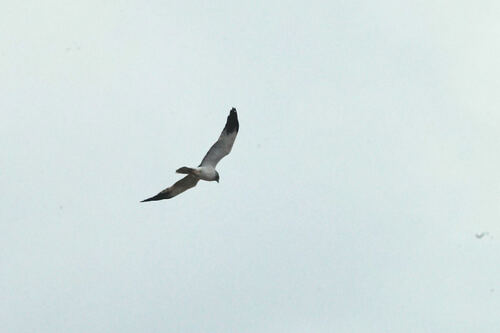
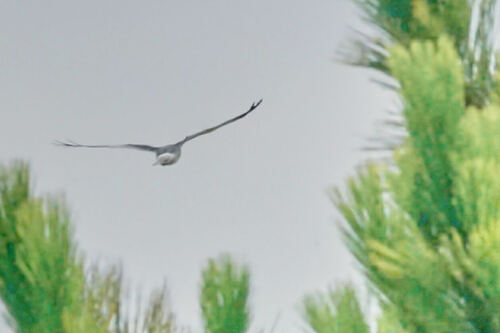

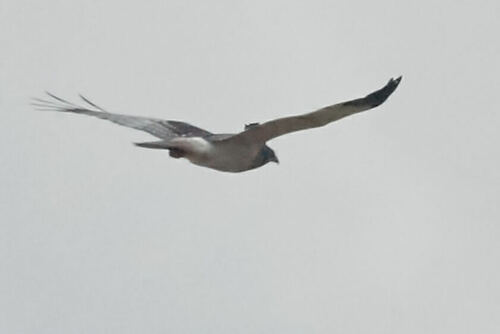
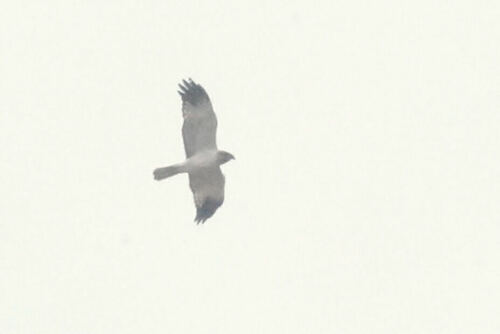
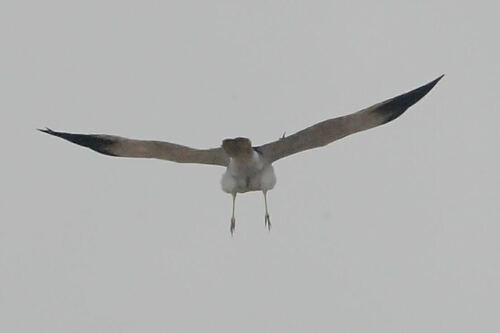
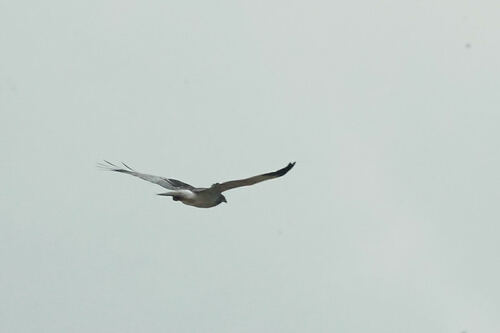
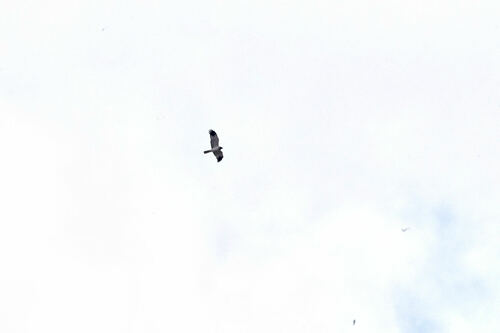
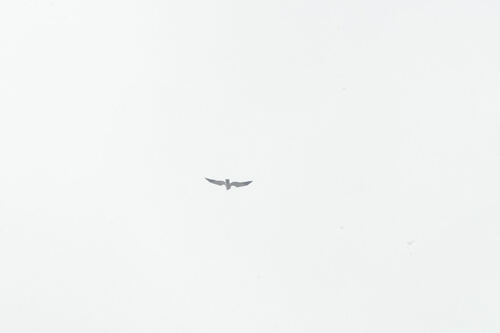
ID tip
It is about 42–55 cm (17–22 in) long; the female is up to 13% larger than the male. The male has a blackish back and a greyer head with dark streaks. The underparts and rump are whitish and the tail is grey with dark bars. The forewings and wingtips are blackish while the secondaries are grey with dark bars. Females are browner than the males. The Réunion harrier is smaller and darker with shorter legs and shorter, more rounded wings. Males have a blacker head and plainer secondaries and tail.
Text from Wikipedia, licensed CC BY-SA 4.0.
When to see the Malagasy Harrier
One bar for each month. Filled bars are the 6 months with records; pale bars are months with none. The wide bar is November, the month with the most records.
Where to see the Malagasy Harrier
The map shades 3 countries with regular records, and 1 more in a lighter tone where the bird turns up only as a stray. Everything unshaded has no records. Countries are listed below the map.
Recorded as a rare visitor in Tanzania.
About the Malagasy Harrier
The Malagasy harrier is a bird of prey belonging to the marsh harrier group of harriers. It inhabits Madagascar and the Comoro Islands in the Indian Ocean. It was formerly regarded as a subspecies of the Réunion harrier but is increasingly treated as a separate species. It is also known as the Madagascar harrier, Madagascar marsh harrier or Malagasy marsh harrier.
Text adapted from Wikipedia, licensed CC BY-SA 4.0.
Easily confused with
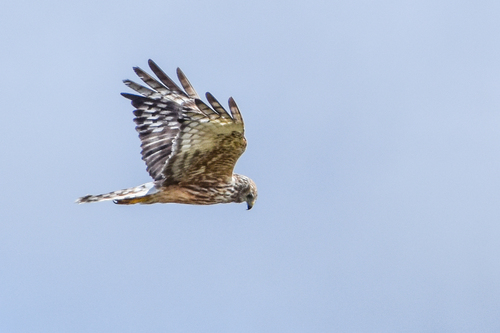 Papuan HarrierCircus spilothoraxThe Papuan harrier is a bird of prey native to New Guinea which belongs to the harrier genus Circus.
 Northern HarrierCircus hudsoniusThe northern harrier is 41–52 cm (16–20 in) long with a 97–122 cm (38–48 in) wingspan.
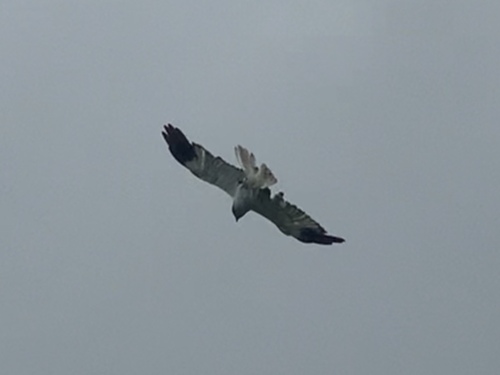 Reunion HarrierCircus maillardiIt is about 42–55 cm long; the female is around 3–15% larger than the male.
Learn the Malagasy Harrier in the BeakBrain App
Photo and call practice. Coming soon to iPhone and Android.
Play today's Daily BirdEvery photo and recording on this page is credited to its author under the licence shown. Spotted a problem with this page, or have a better photo? Contribute.