Learn what every symbol on the card means.Full credits and sources at beakbrain.com/symbols
 MarineCavity nestLarge · 465 g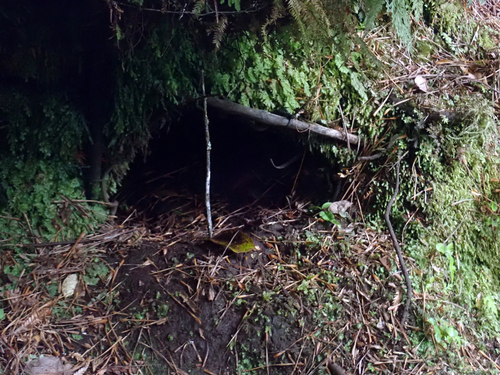


ID tip
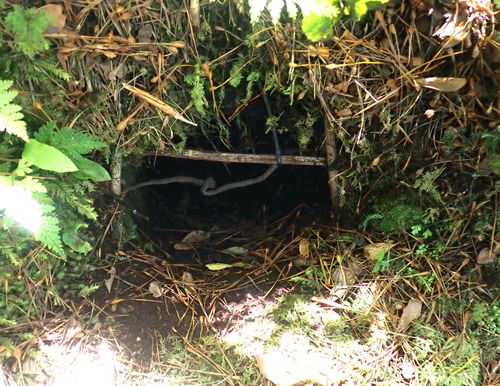
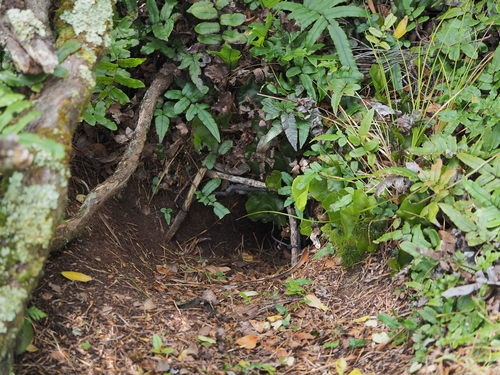
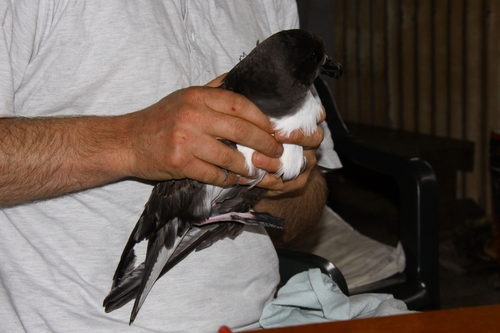
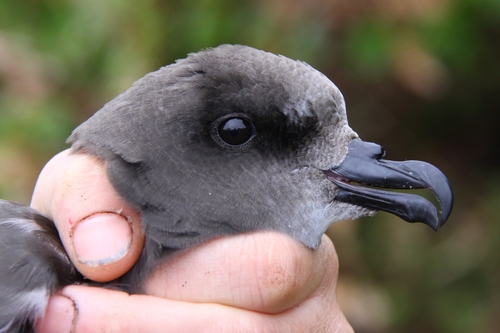
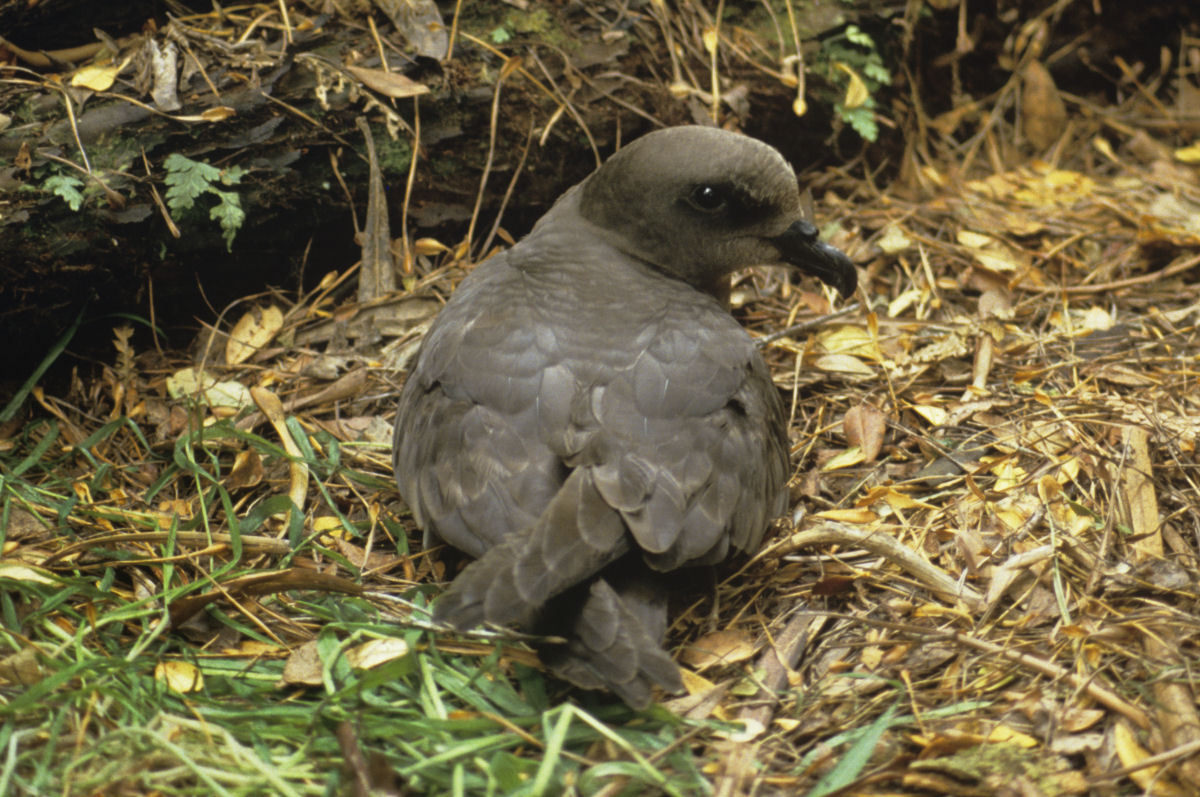
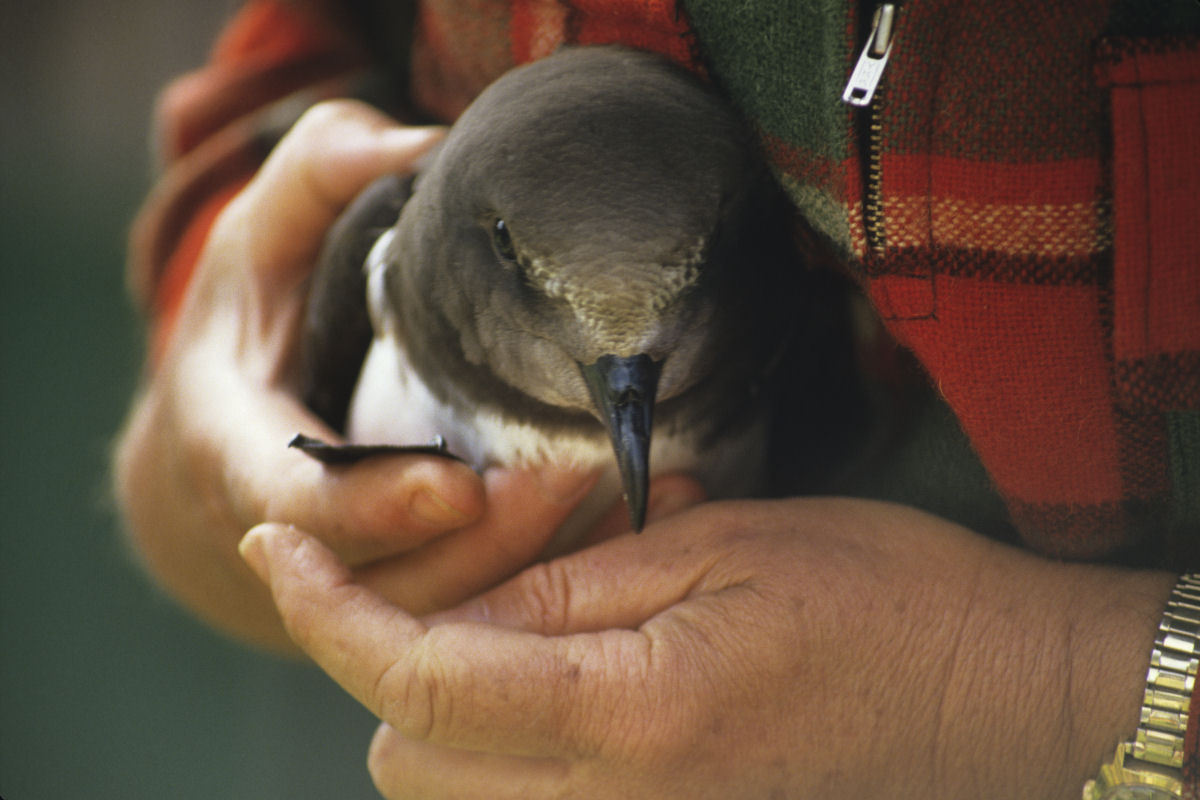
This medium-sized petrel has a brownish-grey head, neck, and upper breast, with white underparts. The undersides of the wings are brown. It has a black bill and pink legs. Adults weigh 400–580 g. The bird nests in 1–3 m long burrows under dense forest. They form long-term monogamous pair bonds, raising one egg at a time, and both partners incubate the egg and feed the chick. The breeding season is between September and May, during which time the birds forage over the open ocean.
Text from Wikipedia, licensed CC BY-SA 4.0.
When to see the Magenta Petrel
One bar for each month. Filled bars are the 9 months with records; pale bars are months with none. The wide bar is December, the month with the most records.
Where to see the Magenta Petrel
The map shades 1 country with regular records. Everything unshaded has no records. Countries are listed below the map.
About the Magenta Petrel
The magenta petrel, or Chatham Island tāiko, is a small seabird in the gadfly petrel genus, Pterodroma. Found exclusively on Chatham Island, New Zealand, it is one of the rarest birds in the world, believed to be extinct for over 100 years before its rediscovery in the 1970s.
Text adapted from Wikipedia, licensed CC BY-SA 4.0.
Easily confused with
 Henderson PetrelPterodroma atrataThe Henderson petrel is a ground-nesting species of gadfly petrel in the family Procellariidae.
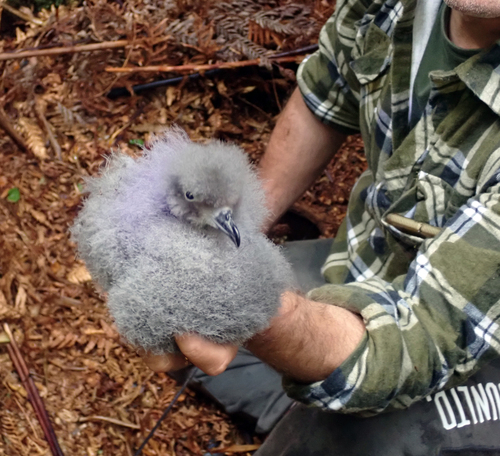 Chatham Islands PetrelPterodroma axillarisThe Chatham Islands petrel is a medium-sized petrel with a mottled dark-grey and white forehead, dark grey back and upper wings, and white underparts.
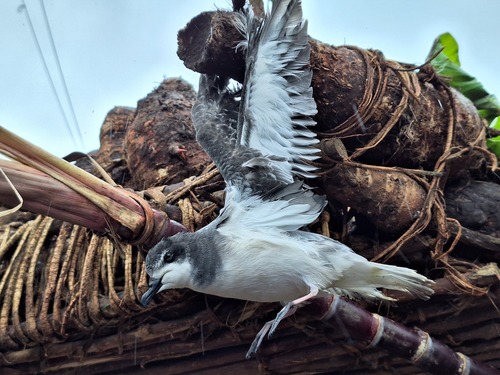 Collared PetrelPterodroma brevipesThe collared petrel is a species of seabird in the family Procellariidae.
Learn the Magenta Petrel in the BeakBrain App
Photo and call practice. Coming soon to iPhone and Android.
Play today's Daily BirdEvery photo and recording on this page is credited to its author under the licence shown. Spotted a problem with this page, or have a better photo? Contribute.