Learn what every symbol on the card means.Full credits and sources at beakbrain.com/symbols
 ShrublandDomed nestTiny · 12 g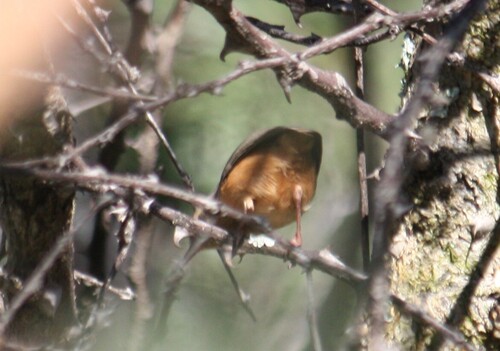


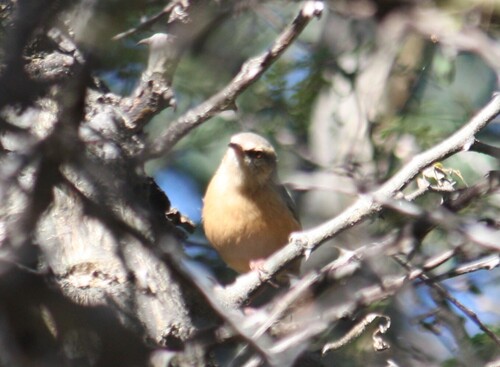
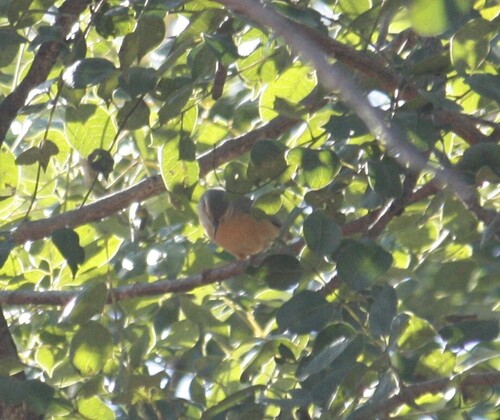
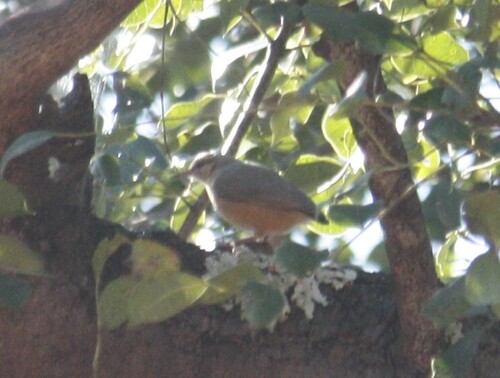
ID tip
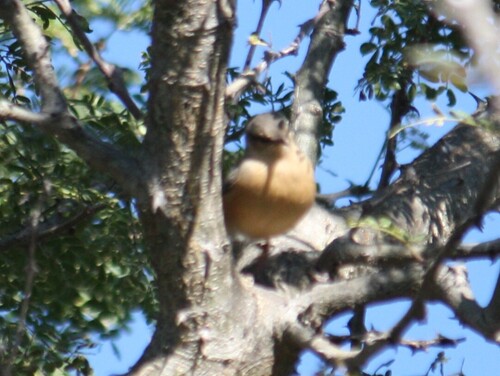
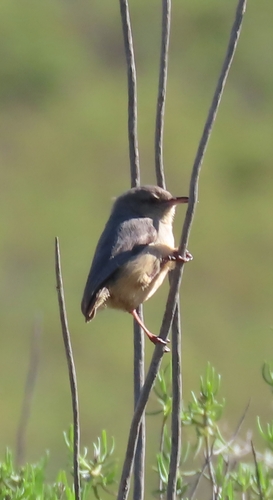
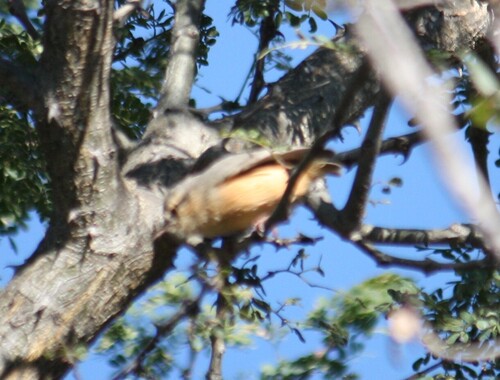
The long-billed crombec is a small, nearly tailless bird 12 cm long and weighing around 16 g. Its upperparts are brownish grey-brown, and there is a pale grey supercilium, separated from the whitish throat by a dark eye stripe. The whitish breast shades into the buff belly. The long slightly curved bill is blackish. The sexes are similar, and the juvenile resembles the adult. The call is a variable series of trilled notes including trreee-rriiit trreee-rriiit and a harsh pttt.
Text from Wikipedia, licensed CC BY-SA 4.0.
When to see the Long-billed Crombec
One bar for each month, and every month is filled: this bird is recorded here in all twelve. The wide bar is November, the month with the most records.
Where to see the Long-billed Crombec
The map shades 12 countries with regular records. Everything unshaded has no records. Countries are listed below the map.
About the Long-billed Crombec
The long-billed crombec or Cape crombec is an African warbler.
Text adapted from Wikipedia, licensed CC BY-SA 4.0.
Easily confused with
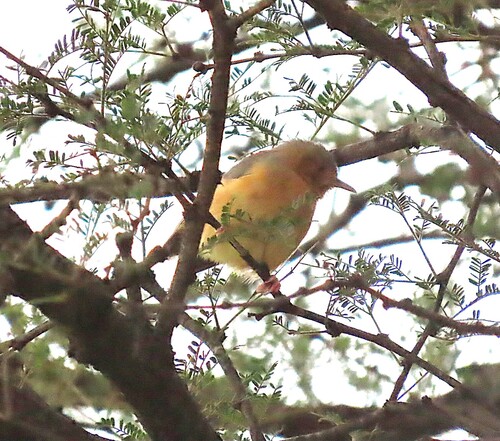 Red-faced CrombecSylvietta whytiiThe red-faced crombec is a species of African warbler, formerly placed in the family Sylviidae.
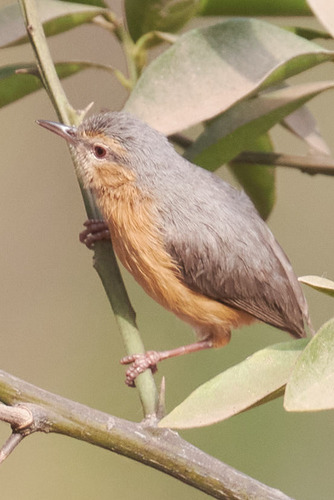 Northern CrombecSylvietta brachyuraThe northern crombec is a species of African warbler, formerly placed in the family Sylviidae.
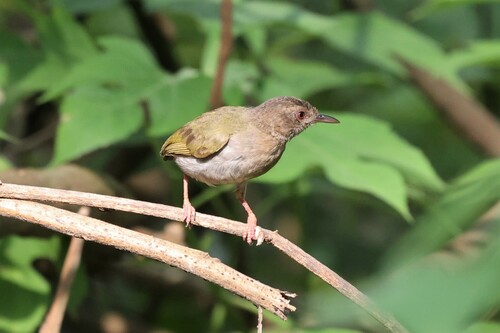 Green CrombecSylvietta virensThe green crombec is a species of African warbler, formerly placed in the family Sylviidae.
Learn the Long-billed Crombec in the BeakBrain App
Photo and call practice. Coming soon to iPhone and Android.
Play today's Daily BirdEvery photo and recording on this page is credited to its author under the licence shown. Spotted a problem with this page, or have a better photo? Contribute.