Learn what every symbol on the card means.Full credits and sources at beakbrain.com/symbols
 ShrublandScrapeSmall · 48 g

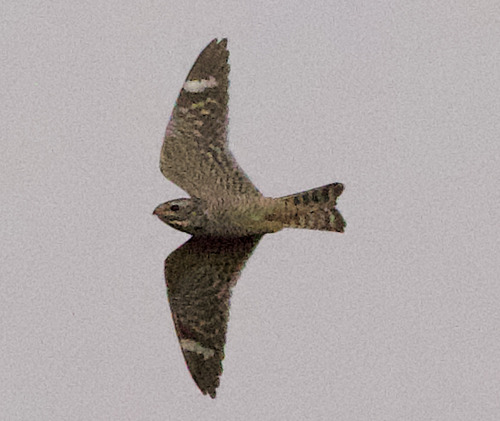
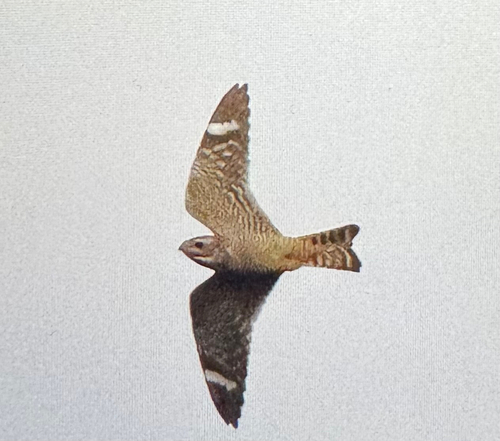
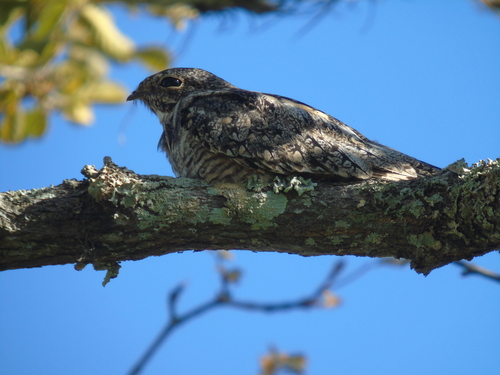
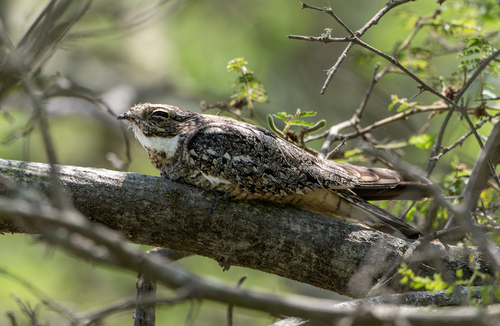
What the Lesser Nighthawk sounds like


ID tip
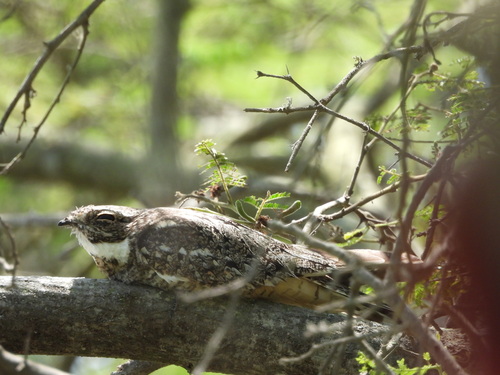
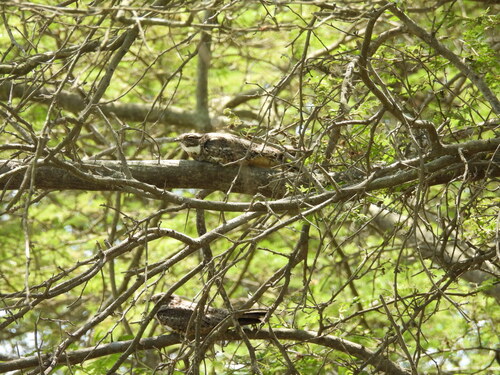
The lesser nighthawk is known for its large mouth and small feet. Its natural brown and gray colors blend into its surroundings, making it hard to spot in the daytime while it sleeps. This long-winged and long-tailed species exhibits slight differences between the male and female. Male lesser nighthawks have a prominent white bar at the end of their tails and wing tips while females have a more cream color bar on their wing tips and lack the stripe on their tail. Both males and females feature a white v-shaped mark on their neck. Voice: The lesser nighthawk is very similar to its relative, the common nighthawk, though it tends to be a much quieter bird. The bird usually maintains a quiet demeanor, and it is quite rare to encounter its distinctive whines or trilling calls outside of its breeding grounds. Its toadlike trills can be sung in sequences lasting 7–13 seconds and can extend to over 3 minutes.
Text from Wikipedia, licensed CC BY-SA 4.0.
When to see the Lesser Nighthawk
One bar for each month. Filled bars are the 10 months with records; pale bars are months with none. The wide bar is May, the month with the most records.
Where to see the Lesser Nighthawk
The map shades 21 countries with regular records, and 3 more in a lighter tone where the bird turns up only as a stray. Everything unshaded has no records. Countries are listed below the map.
About the Lesser Nighthawk
The lesser nighthawk is a nightjar found throughout a large part of the Americas. This bird looks similar to the common nighthawk but is slightly smaller, has a slightly less deeply forked tail, and is more buffy in coloration. Their distinctive mouths are very well adapted for capturing insects mid-flight.
Text adapted from Wikipedia, licensed CC BY-SA 4.0.
Easily confused with
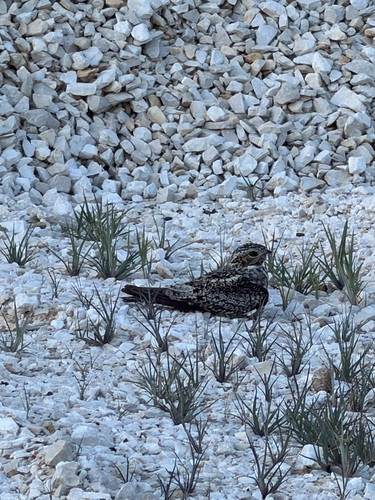 Antillean NighthawkChordeiles gundlachiiThe adults are dark with brown, grey and white patterning on the upperparts and breast; the long wings are black and show a white bar in flight.
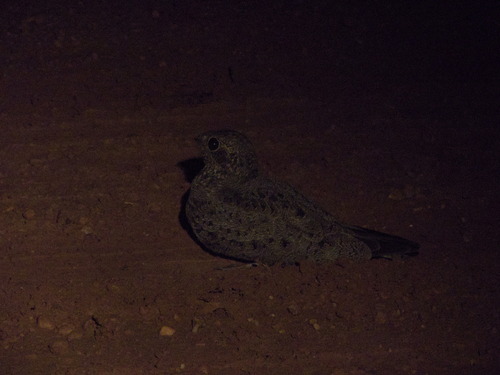 Nacunda NighthawkChordeiles nacundaThe nacunda nighthawk is not only the largest of the highly aerial nightjars known as nighthawks and the largest species of nightjar in the neotropics, it is one of the largest nightjar species in the world.
 Sand-colored NighthawkChordeiles rupestrisThe sand-colored nighthawk is 20.5 to 22 cm (8.1 to 8.7 in) long.
Side by side: Common Nighthawk vs Lesser Nighthawk · Antillean Nighthawk vs Lesser Nighthawk · Lesser Nighthawk vs Nacunda Nighthawk · Lesser Nighthawk vs Sand-colored Nighthawk
Learn the Lesser Nighthawk in the BeakBrain App
Photo and call practice. Coming soon to iPhone and Android.
Play today's Daily BirdEvery photo and recording on this page is credited to its author under the licence shown. Spotted a problem with this page, or have a better photo? Contribute.