Learn what every symbol on the card means.Full credits and sources at beakbrain.com/symbols
 ShrublandDomed nestTiny · 13 g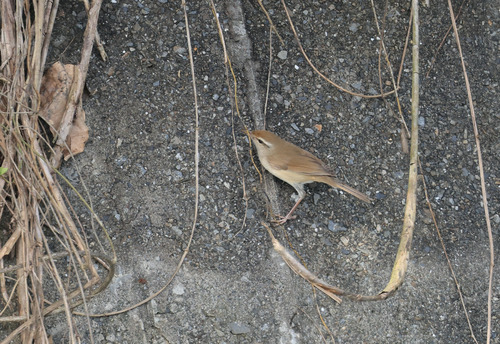
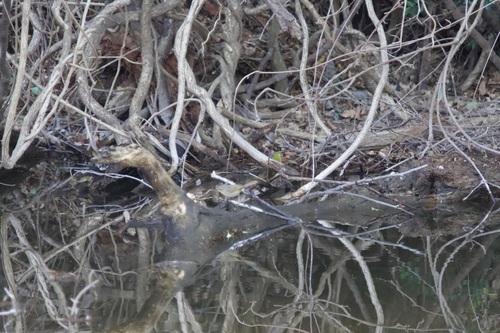
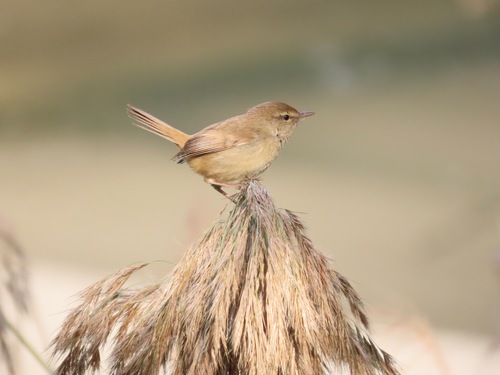
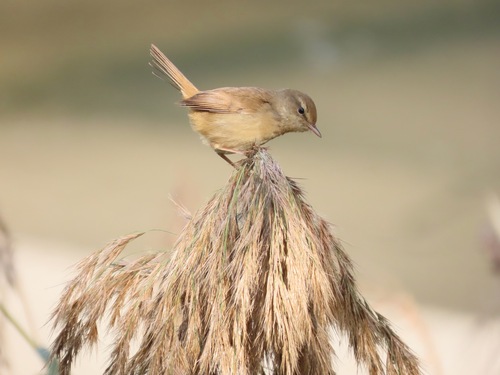


ID tip
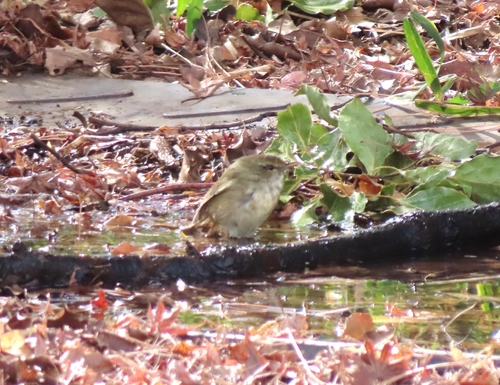
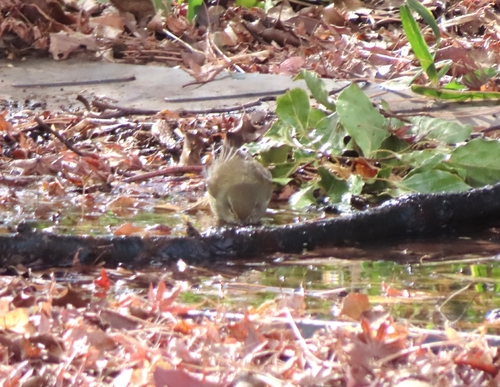
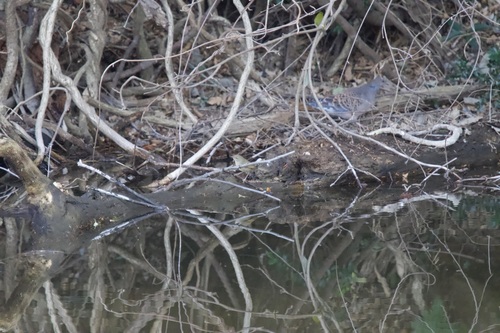
The Japanese bush warbler is olive brown above and tending toward dusky colors below. It has pale eyebrows. It has a beak that curves up making it look like it is smiling. The bird is typically 15.5 centimetres (6.1 in) in length. Voice: Pi pi pi... kekyo kekyo Hooo- hoke'kyo Hoohokekyo. Young Japanese bush warblers do not initially perform the "hoohokekyo" song skillfully, but gradually learn to sing by imitating others in the vicinity. Hooo- hokekyo, hooo- hokekyo. The songs of two Japanese bush warblers are recorded here on a single file.
Text from Wikipedia, licensed CC BY-SA 4.0.
When to see the Japanese Bush Warbler
One bar for each month. Filled bars are the 9 months with records; pale bars are months with none. The wide bar is March, the month with the most records.
Where to see the Japanese Bush Warbler
The map shades 14 countries with regular records, and 1 more in a lighter tone where the bird turns up only as a stray. Everything unshaded has no records. Countries are listed below the map.
Recorded as a rare visitor in Germany.
About the Japanese Bush Warbler
The Japanese bush warbler, known in Japanese as uguisu (鶯), is an Asian passerine bird more often heard than seen. Its distinctive breeding song can be heard throughout much of Japan from the start of spring.
Text adapted from Wikipedia, licensed CC BY-SA 4.0.
Easily confused with
 Brown-flanked Bush WarblerHorornis fortipesThe brown-flanked bush warbler, also known as the brownish-flanked bush warbler, is a species of bush-warbler of the family Cettiidae.
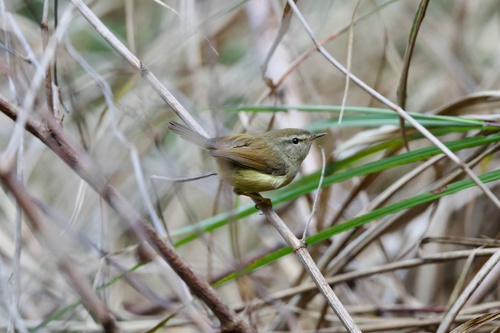 Yellow-bellied Bush WarblerHorornis acanthizoidesThe yellow-bellied bush warbler, also known as the yellowish-bellied bush warbler, is a species of bush warbler in the family Cettiidae.
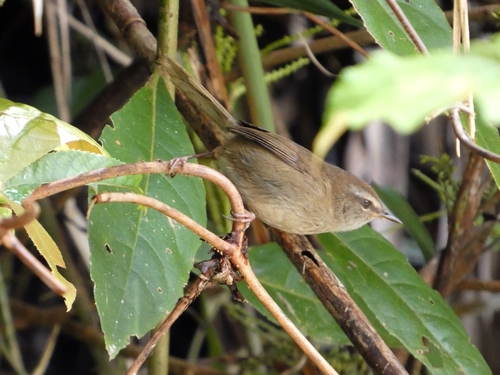 Aberrant Bush WarblerHorornis flavolivaceusThe aberrant bush warbler is a species in the bush warbler family, Cettiidae.
Learn the Japanese Bush Warbler in the BeakBrain App
Photo and call practice. Coming soon to iPhone and Android.
Play today's Daily BirdEvery photo and recording on this page is credited to its author under the licence shown. Spotted a problem with this page, or have a better photo? Contribute.