Learn what every symbol on the card means.Full credits and sources at beakbrain.com/symbols
 ForestCavity nestTiny · 9 g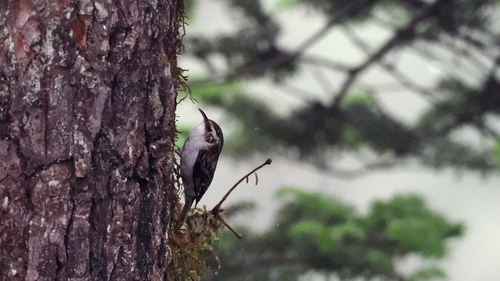
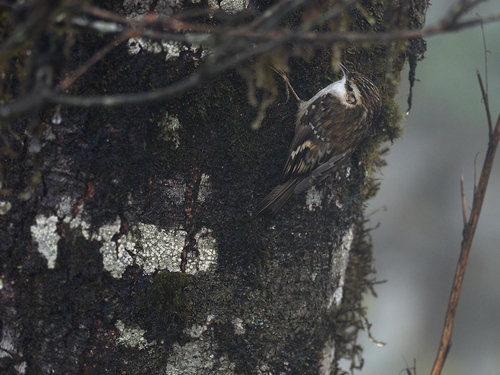
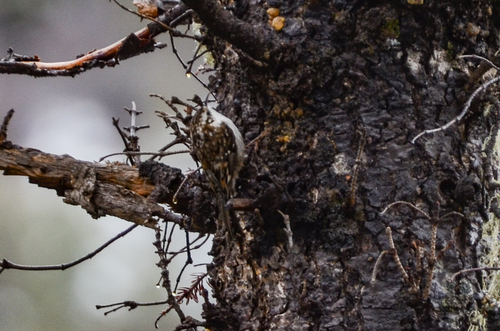
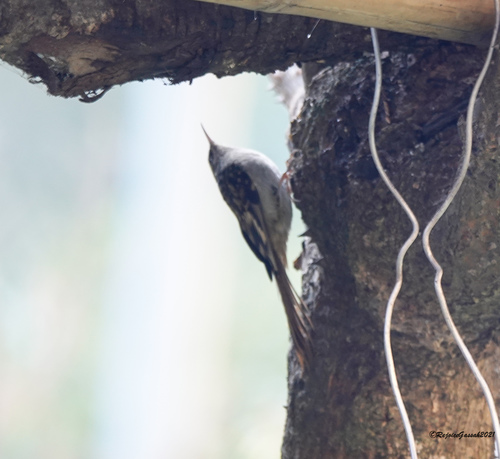
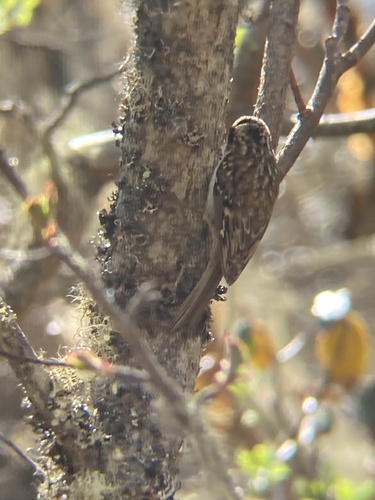
ID tip
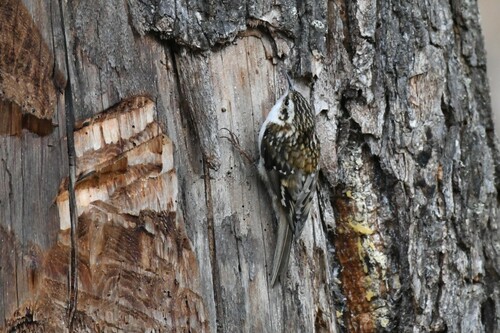
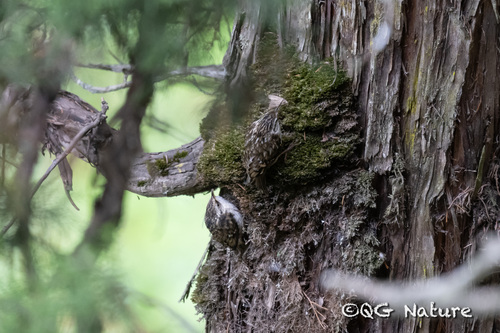
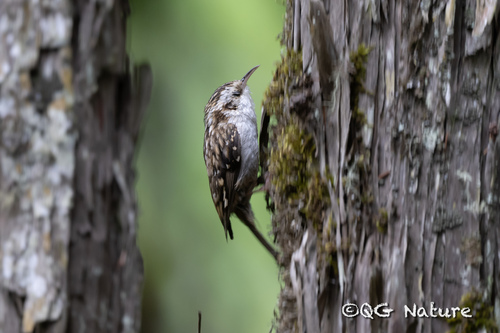
This is a small bird, 12.5 cm (4.9 in) long, of fairly drab appearance. It is brownish with lighter and darker streaks above, and off-white below and on the supercilium. It is browner above than the common treecreeper (C. familiaris), with a contrasting rufous rump. It has a long curved bill and long stiff tail feathers. The song starts with two of the shree calls characteristic for this species and its close relatives. Then follow one or a few warbling calls, and finally (usually) two up- and downslurring notes. Each sound is about 0.3 seconds long, and the whole song takes about 2 to 2.
Text from Wikipedia, licensed CC BY-SA 4.0.
When to see the Hodgson's Treecreeper
One bar for each month. Filled bars are the 8 months with records; pale bars are months with none. The wide bar is April, the month with the most records.
Where to see the Hodgson's Treecreeper
The map shades 5 countries with regular records. Everything unshaded has no records. Countries are listed below the map.
About the Hodgson's Treecreeper
Hodgson's treecreeper is a small passerine bird from the southern rim of the Himalayas. Its specific distinctness from the common treecreeper was recently validated.
Text adapted from Wikipedia, licensed CC BY-SA 4.0.
Easily confused with
 Hume's TreecreeperCerthia manipurensisHume's treecreeper was earlier included within the brown-throated treecreeper complex and identified as a separate species on the basis of their distinctive calls.
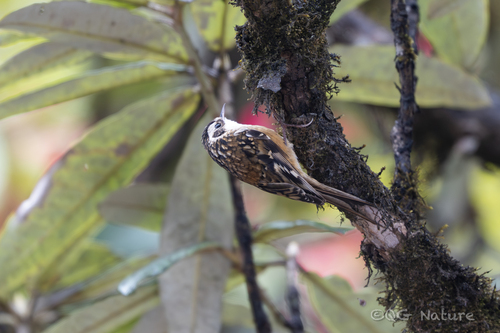 Rusty-flanked TreecreeperCerthia nipalensisThe rusty-flanked treecreeper or the Nepal treecreeper is a species of bird in the family Certhiidae.
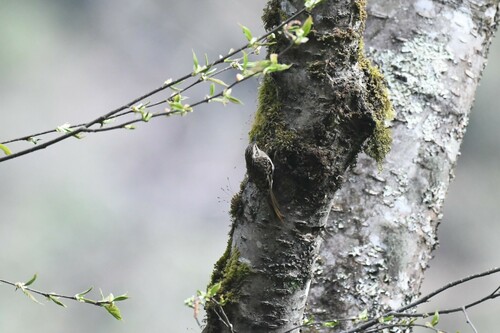 Sikkim TreecreeperCerthia discolorThe Sikkim treecreeper is a species of bird in the treecreeper family.
Learn the Hodgson's Treecreeper in the BeakBrain App
Photo and call practice. Coming soon to iPhone and Android.
Play today's Daily BirdEvery photo and recording on this page is credited to its author under the licence shown. Spotted a problem with this page, or have a better photo? Contribute.