Learn what every symbol on the card means.Full credits and sources at beakbrain.com/symbols
 ForestScrapeMedium · 141 g


What the Great Eared Nightjar sounds like

ID tip
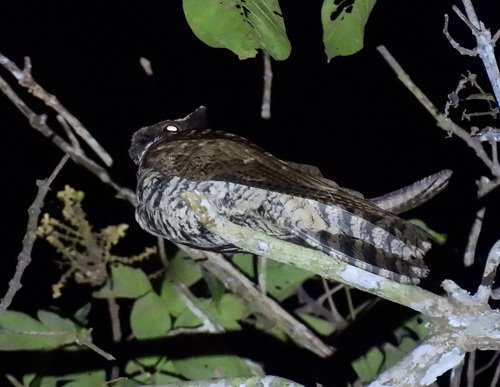
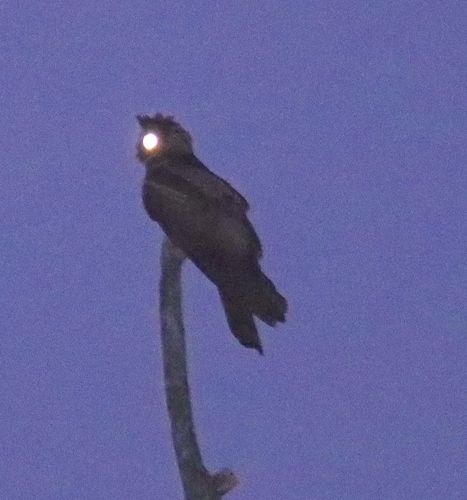
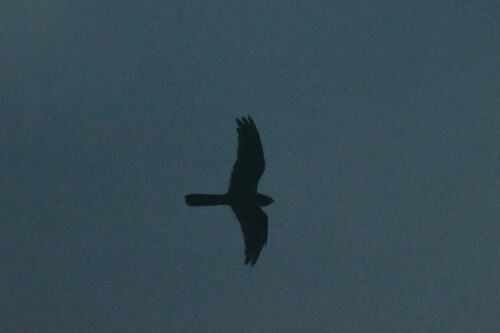
The great eared nightjar is the largest species in the family in terms of length, which can range from 31 to 41 cm (12 to 16 in). Males weigh an average of 131 g (4.6 oz) and females weigh an average of 151 g (5.3 oz), making it the second heaviest species in the family after the nacunda nighthawk. The nightjar has grey-brown, mottled, streaked and stripey plumage. They also have pointed wings and long tails as well as short wide beaks that open to around 120°.
Text from Wikipedia, licensed CC BY-SA 4.0.
When to see the Great Eared Nightjar
One bar for each month. Filled bars are the 8 months with records; pale bars are months with none. The wide bar is February, the month with the most records.
Where to see the Great Eared Nightjar
The map shades 10 countries with regular records, and 1 more in a lighter tone where the bird turns up only as a stray. Everything unshaded has no records. Countries are listed below the map.
Recorded as a rare visitor in China.
About the Great Eared Nightjar
The great eared nightjar is a species of nightjar in the family Caprimulgidae. It is found in southwest India and in parts of Southeast Asia. This very large nightjar has long barred wings, a barred tail and long ear-tufts which are often recumbent. It has a white throat band but has no white on its wings or on its tail.
Text adapted from Wikipedia, licensed CC BY-SA 4.0.
Easily confused with

Learn the Great Eared Nightjar in the BeakBrain App
Photo and call practice. Coming soon to iPhone and Android.
Play today's Daily BirdEvery photo and recording on this page is credited to its author under the licence shown. Spotted a problem with this page, or have a better photo? Contribute.