Learn what every symbol on the card means.Full credits and sources at beakbrain.com/symbols
 DesertCup nestSmall · 18 g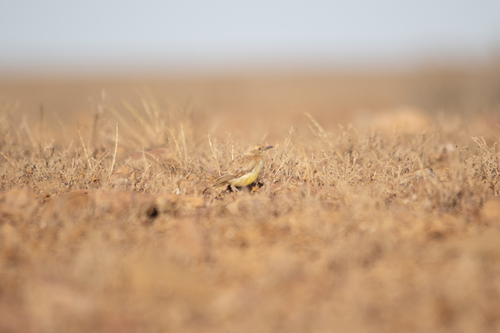


ID tip
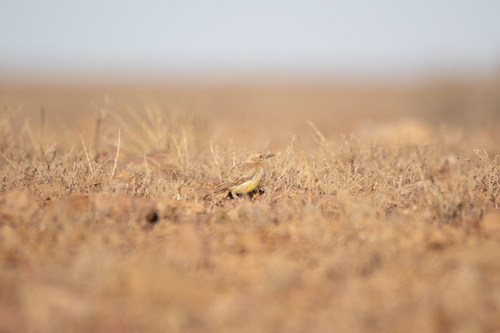
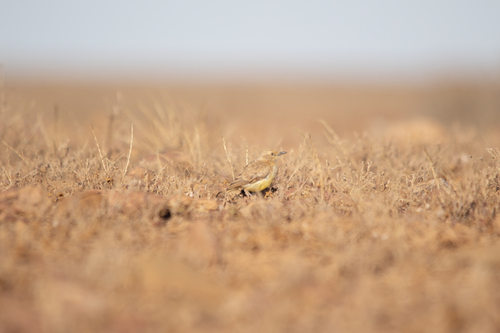
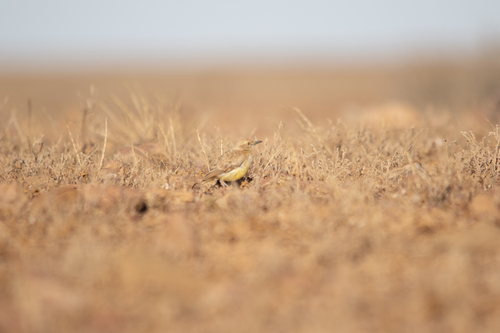
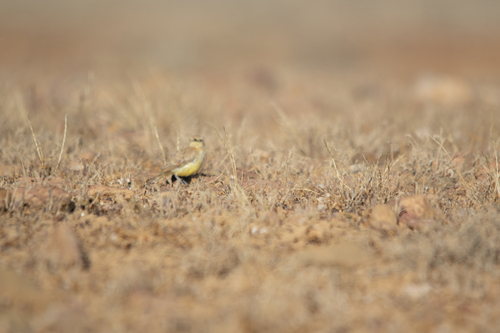
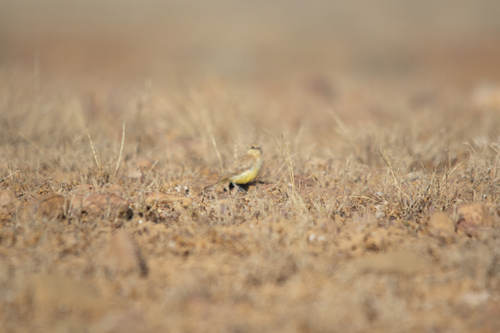
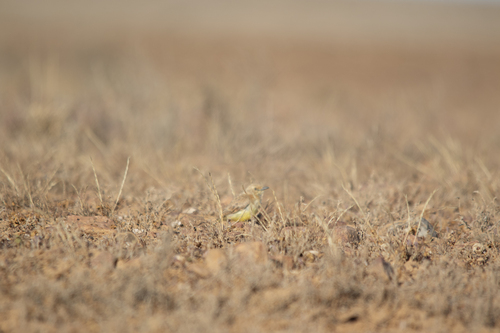
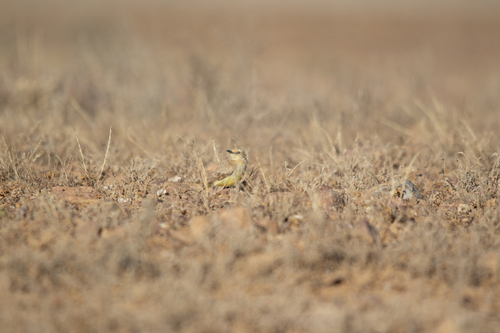
The gibberbird has a distinctive visage which is characterized by a grey crown, yellow forehead, face and underbelly with a black to grey-brown rump. The bill is a dark brown to black with grey-brown feet. The iris of the eye is a distinguishing shade of bright yellow. Unlike other chats, the gibberbird only has slight sexual dimorphisms between the male and female. Females differ very slightly and can sometimes be distinguished by more brown plumage, especially around the throat, face and neck. Voice: There is little information on the call of the gibberbird and further studies will need to be conducted to fill the gaps in our knowledge of this species . However, from current studies it is known that the gibberbird has a sweet song that is thought to be utilised to call to a mate. This song has been described as "musical chatter" and to hear it is a squeaky "weet-weet-weet".
Text from Wikipedia, licensed CC BY-SA 4.0.
When to see the Gibberbird
One bar for each month. Filled bars are the 9 months with records; pale bars are months with none. The wide bar is September, the month with the most records.
Where to see the Gibberbird
The map shades 1 country with regular records. Everything unshaded has no records. Countries are listed below the map.
About the Gibberbird
The gibberbird is a species of chat within the Meliphagidae family of passerine birds.
Text adapted from Wikipedia, licensed CC BY-SA 4.0.
Easily confused with
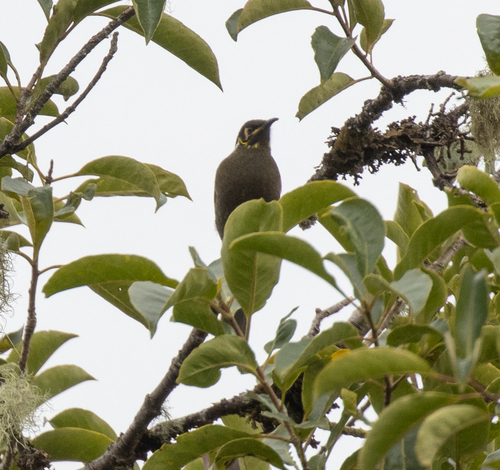 Black-throated HoneyeaterCaligavis subfrenataThe black-throated honeyeater is a species of bird in the family Meliphagidae.
 Timor FriarbirdPhilemon inornatusThe Timor friarbird or plain friarbird is a species of bird in the family Meliphagidae.
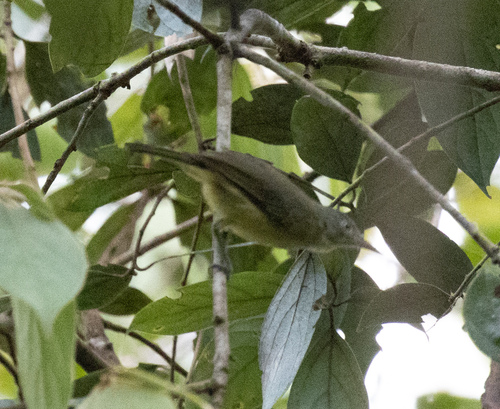 Green-backed HoneyeaterGlycichaera fallaxThe green-backed honeyeater is a species of bird in the family Meliphagidae.
Learn the Gibberbird in the BeakBrain App
Photo and call practice. Coming soon to iPhone and Android.
Play today's Daily BirdEvery photo and recording on this page is credited to its author under the licence shown. Spotted a problem with this page, or have a better photo? Contribute.