Learn what every symbol on the card means.Full credits and sources at beakbrain.com/symbols
 ForestDomed nestTiny · 7 g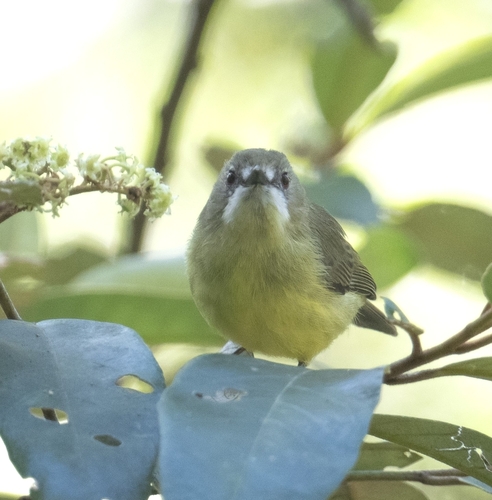
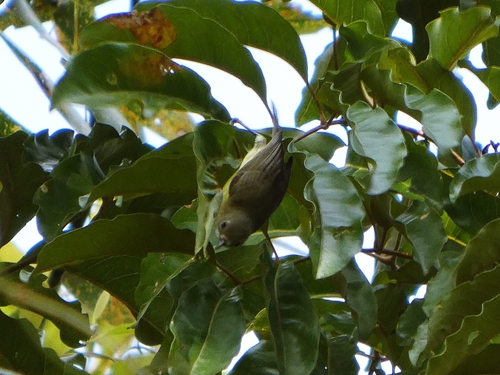
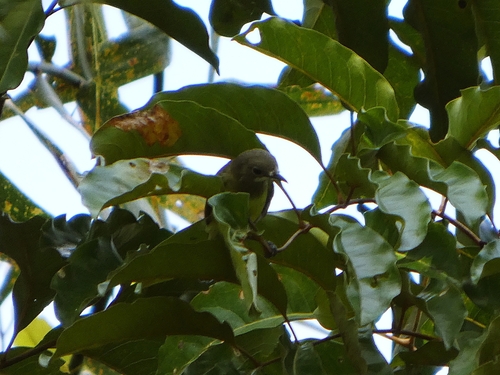
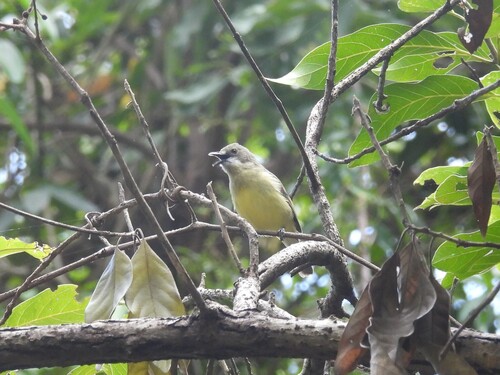
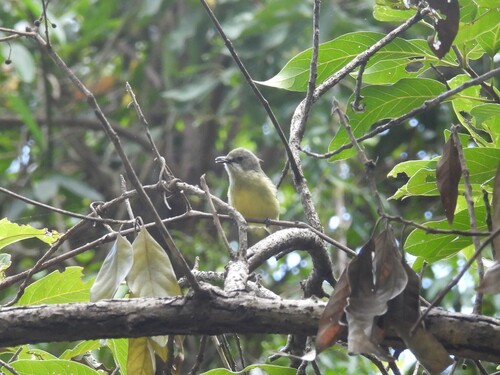
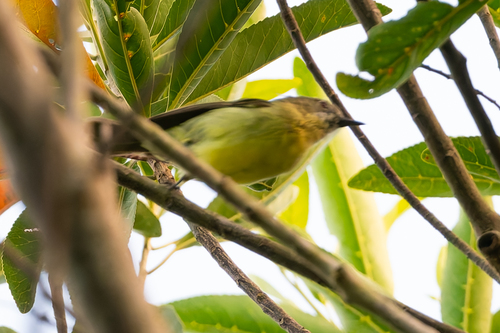
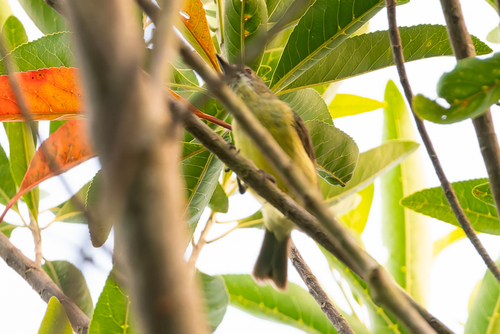
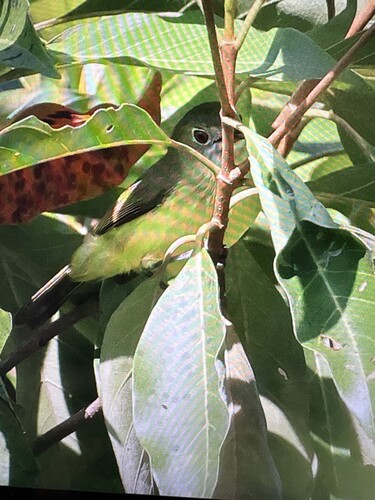

ID tip
Adult birds have olive upperparts and yellow underparts, brownish tails, short black bills and legs, and red eyes. The male has a black throat. The subspecies flavida can be distinguished from subspecies personata by the white tip of its tail.
Text from Wikipedia, licensed CC BY-SA 4.0.
When to see the Fairy Gerygone
One bar for each month, and every month is filled: this bird is recorded here in all twelve. The wide bar is July, the month with the most records.
Where to see the Fairy Gerygone
The map shades 3 countries with regular records. Everything unshaded has no records. Countries are listed below the map.
About the Fairy Gerygone
The fairy gerygone, previously known as the fairy warbler, is a species of bird in the family Acanthizidae native to New Guinea and Queensland, Australia.
Text adapted from Wikipedia, licensed CC BY-SA 4.0.
Easily confused with
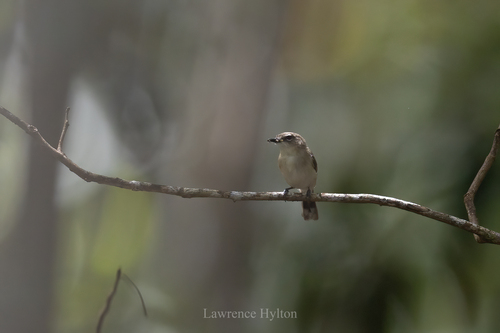 Large-billed GerygoneGerygone magnirostrisThe large-billed gerygone is a species of bird in the family Acanthizidae found in northern Australia and New Guinea.
 Green-backed GerygoneGerygone chloronotaThe green-backed gerygone is a species of bird in the family Acanthizidae found in northern Australia and New Guinea.
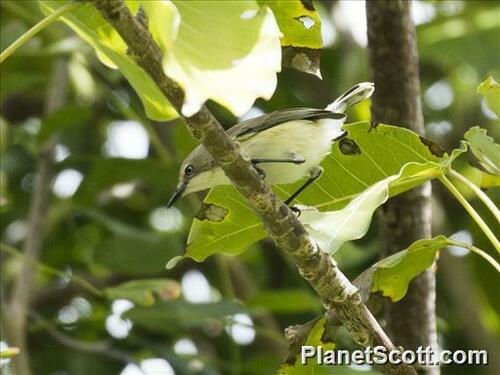 Plain GerygoneGerygone inornataThe plain gerygone is a species of bird in the family Acanthizidae.
Side by side: Fairy Gerygone vs Western Gerygone
Learn the Fairy Gerygone in the BeakBrain App
Photo and call practice. Coming soon to iPhone and Android.
Play today's Daily BirdEvery photo and recording on this page is credited to its author under the licence shown. Spotted a problem with this page, or have a better photo? Contribute.