Learn what every symbol on the card means.Full credits and sources at beakbrain.com/symbols
 ForestDomed nestTiny · 7 g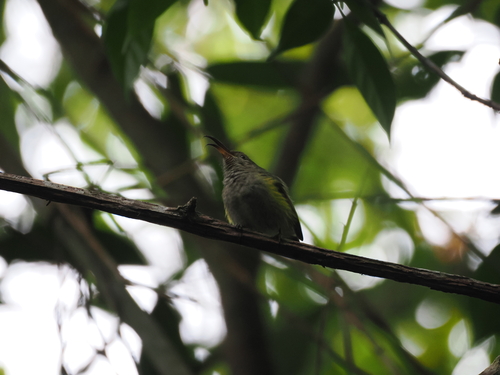

ID tip
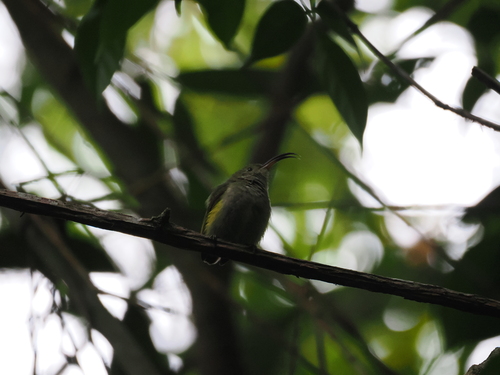
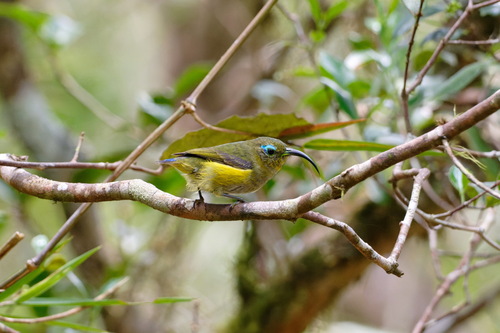
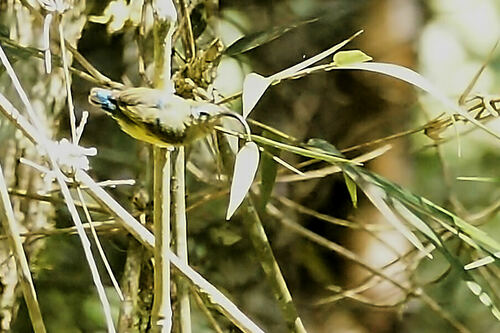
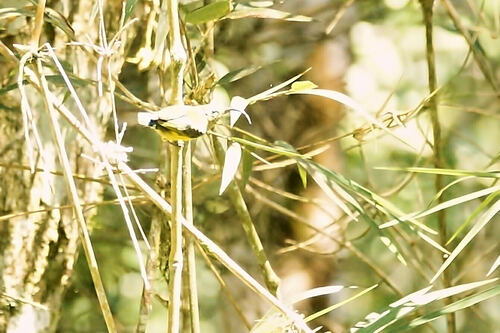
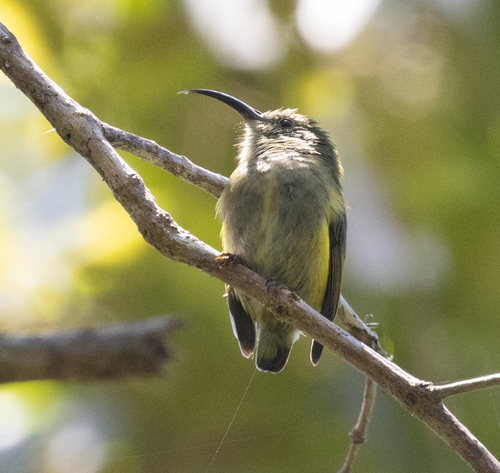
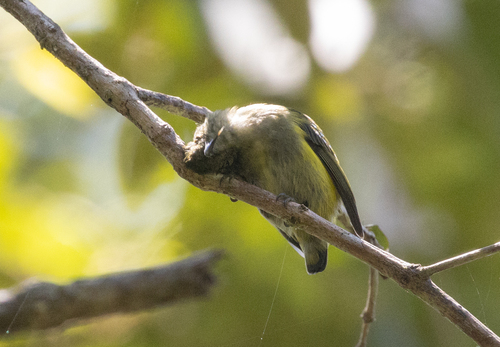
The genus Neodrepanis is characterised by a tiny body with a short tail, a fine, strongly decurved bill and, during the breeding season, strong sexual dichromatism. Males in breeding plumage are brilliant blue and black above and variably bright yellow below, with extraordinary blue and green facial caruncles. Females, males in non-breeding plumage and immatures are dull blue-green above, lack caruncles and are variably yellowish below; some female-plumaged birds have a half-sized caruncle and may be immature males. In winter, males are often seen with traces of breeding plumage coloration.
Text from Wikipedia, licensed CC BY-SA 4.0.
When to see the Common Sunbird-Asity
One bar for each month. Filled bars are the 7 months with records; pale bars are months with none. The wide bar is November, the month with the most records.
Where to see the Common Sunbird-Asity
The map shades 2 countries with regular records. Everything unshaded has no records. Countries are listed below the map.
About the Common Sunbird-Asity
The common sunbird-asity or sunbird asity is a species of bird in the family Philepittidae. It is endemic to Madagascar. Its natural habitat is subtropical or tropical moist lowland forests.
Text adapted from Wikipedia, licensed CC BY-SA 4.0.
Easily confused with

Learn the Common Sunbird-Asity in the BeakBrain App
Photo and call practice. Coming soon to iPhone and Android.
Play today's Daily BirdEvery photo and recording on this page is credited to its author under the licence shown. Spotted a problem with this page, or have a better photo? Contribute.