Learn what every symbol on the card means.Full credits and sources at beakbrain.com/symbols
 ShrublandDomed nestSmall · 16 g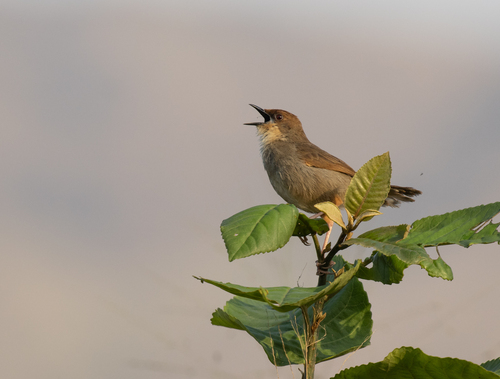
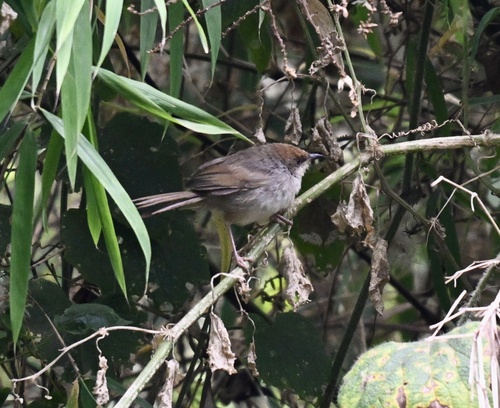
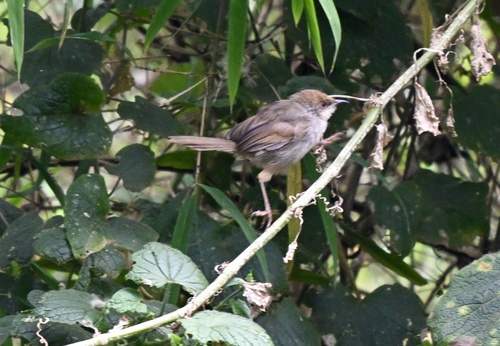
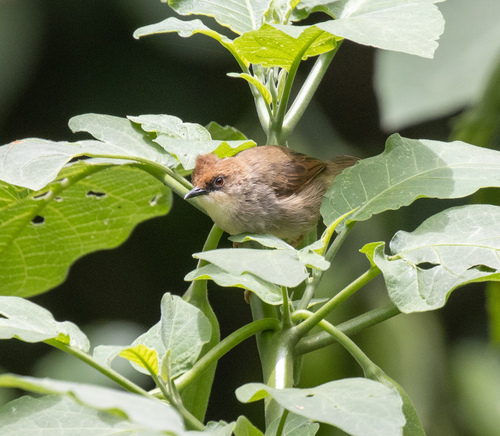
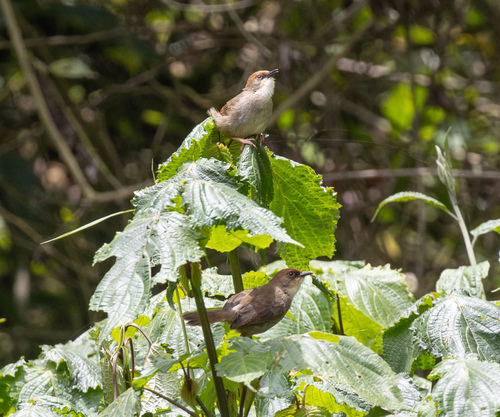
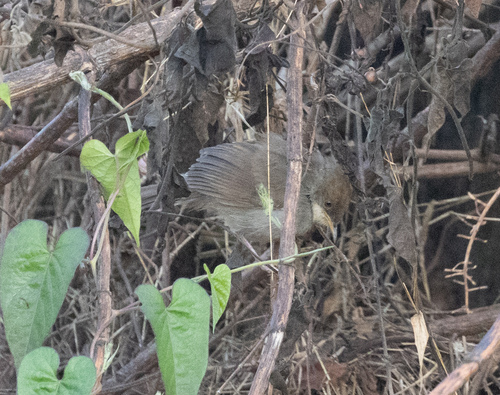
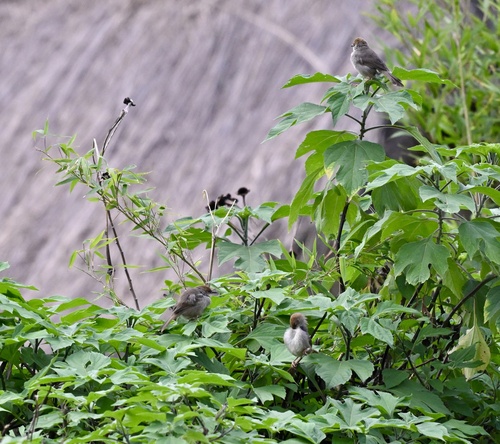
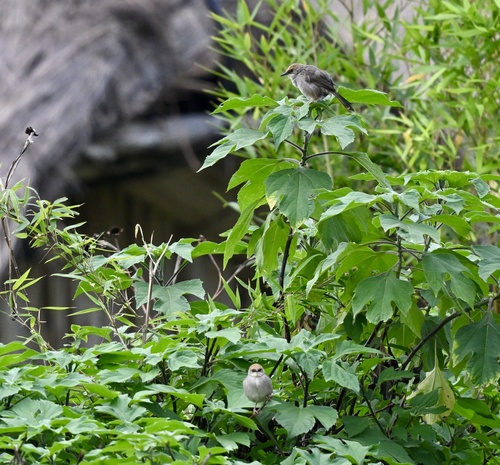
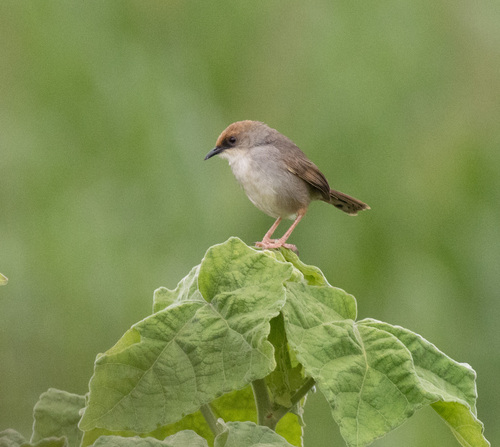
ID tip
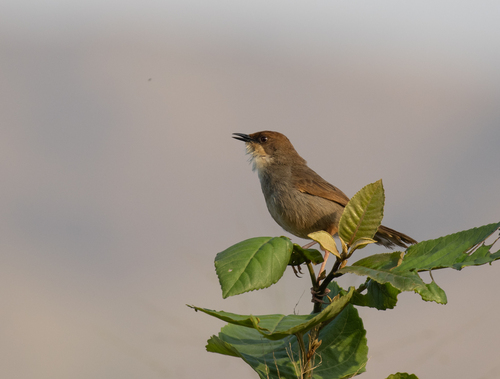
Voice: In duets, males trill and females whistle. Females produce longer and lower-pitched notes. Chubb's cisticolas also sometimes sing in choruses of up to five; this is most common at the end of breeding season. Solo singing is very rare. Duets and choruses are likely primarily for the purpose of territorial defense.
Text from Wikipedia, licensed CC BY-SA 4.0.
When to see the Chubb's Cisticola
One bar for each month, and every month is filled: this bird is recorded here in all twelve. The wide bar is July, the month with the most records.
Where to see the Chubb's Cisticola
The map shades 7 countries with regular records, and 1 more in a lighter tone where the bird turns up only as a stray. Everything unshaded has no records. Countries are listed below the map.
Recorded as a rare visitor in Tanzania.
About the Chubb's Cisticola
Chubb's cisticola is a species of bird in the family Cisticolidae. It is native to the Western High Plateau, the Albertine Rift montane forests and the East African montane forests.
Text adapted from Wikipedia, licensed CC BY-SA 4.0.
Easily confused with
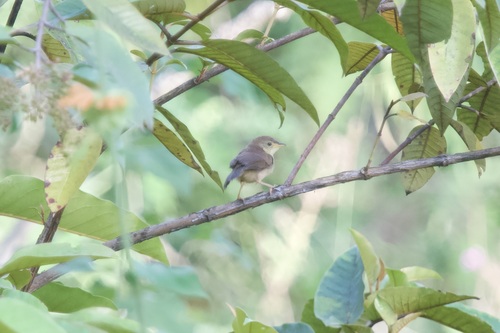 Short-winged CisticolaCisticola brachypterusThe short-winged cisticola, also known as the siffling cisticola, is a species of bird in the family Cisticolidae.
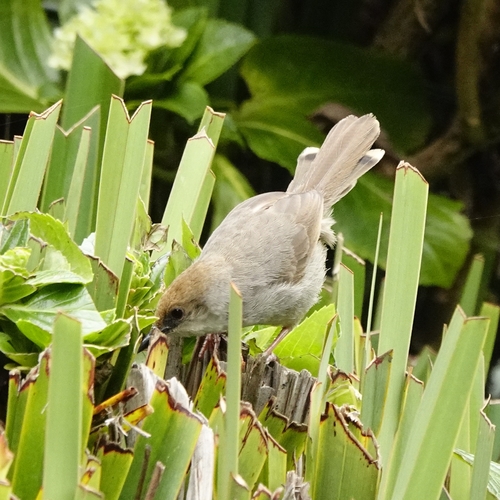 Trilling CisticolaCisticola woosnamiThe trilling cisticola is a species of bird in the family Cisticolidae.
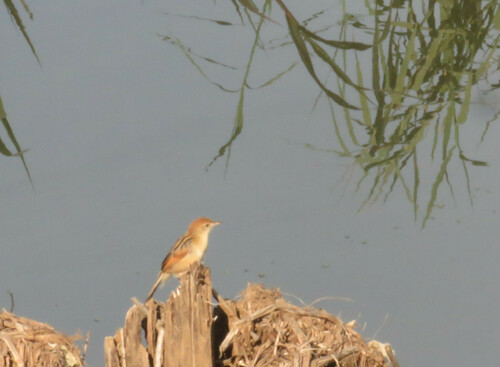 Rufous-winged CisticolaCisticola galactotesThe rufous-winged cisticola is a species of bird in the family Cisticolidae.
Learn the Chubb's Cisticola in the BeakBrain App
Photo and call practice. Coming soon to iPhone and Android.
Play today's Daily BirdEvery photo and recording on this page is credited to its author under the licence shown. Spotted a problem with this page, or have a better photo? Contribute.