Learn what every symbol on the card means.Full credits and sources at beakbrain.com/symbols
 ShrublandCup nestTiny · 16 g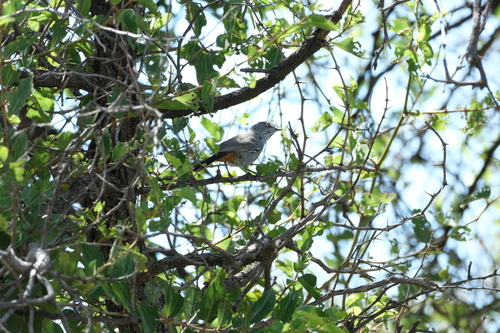


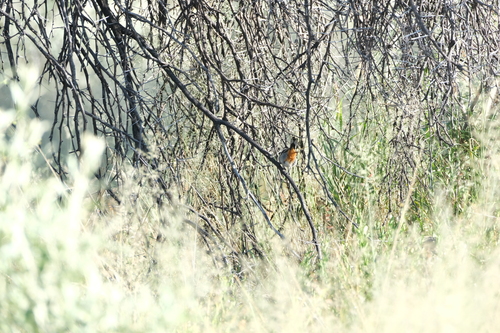
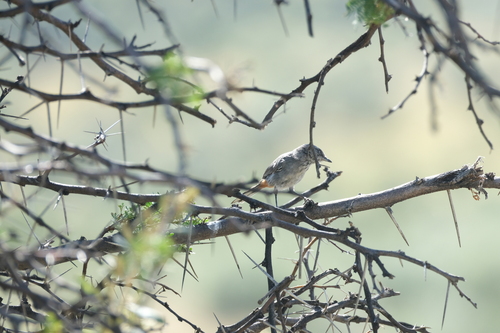
ID tip
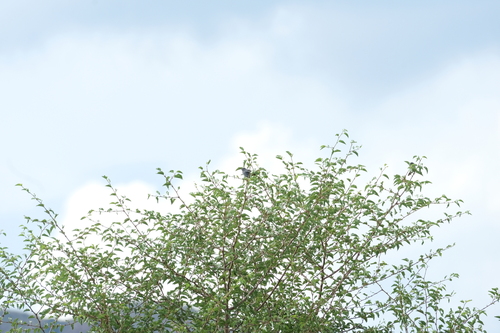
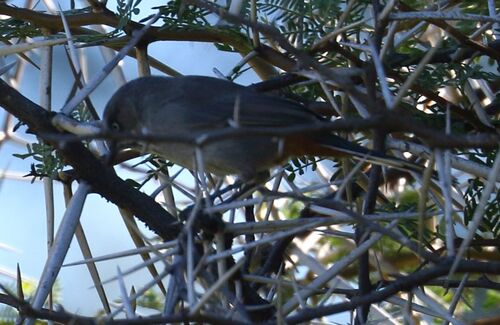
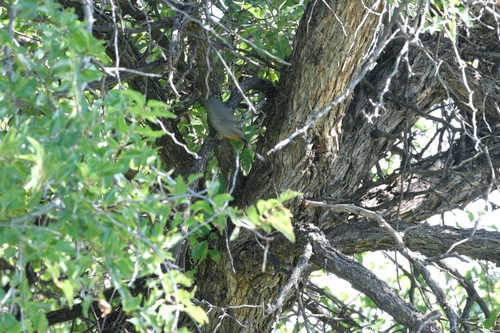
The chestnut-vented warbler is 14–15 cm long and weighs around 16 g. Its upperparts are grey-brown, and the tail is black with a broad white band at its tip. This warbler has a white eye ring. The throat is grey with heavy dark streaking, the breast and belly are grey, and the vent area is bright chestnut. The legs are black and the eyes are grey. The sexes are similar, but the juvenile has an unstreaked throat. The call is a loud fluted cheerup-chee-chee. Layard's warbler, Curruca layardi, is the only similar species, but is paler, has more white in the tail, and lacks the chestnut vent.
Text from Wikipedia, licensed CC BY-SA 4.0.
When to see the Chestnut-vented Warbler
One bar for each month, and every month is filled: this bird is recorded here in all twelve. The wide bar is November, the month with the most records.
Where to see the Chestnut-vented Warbler
The map shades 6 countries with regular records. Everything unshaded has no records. Countries are listed below the map.
About the Chestnut-vented Warbler
The chestnut-vented warbler, chestnut-vented tit-babbler or rufous-vented warbler is an Old World warbler of the family Sylviidae.
Text adapted from Wikipedia, licensed CC BY-SA 4.0.
Easily confused with
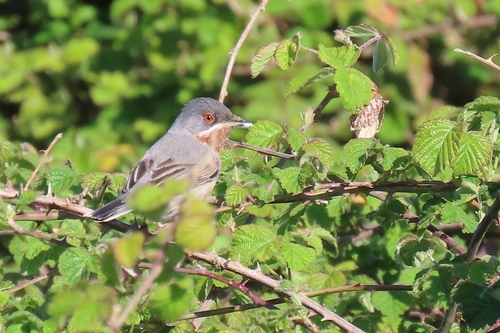 Eastern Subalpine WarblerCurruca cantillansThe eastern subalpine warbler is a small Sylviidae warbler which breeds in the southernmost areas of Europe.
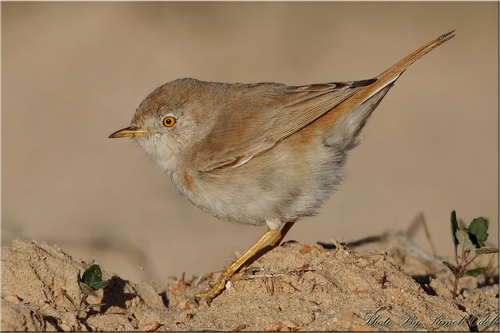 Asian Desert WarblerCurruca nanaThe Asian desert warbler is an Old World warbler which breeds in the deserts of central and western Asia and the extreme east of Europe, and migrating to similar habitats in southwestern Asia and the far northeast of Africa in winter.
 Menetries's WarblerCurruca mystaceaThe Menetries's warbler is 12 to 14 cm long with a wingspan of 15 to 19 cm and weighs about 9-11 grams.
Side by side: Chestnut-vented Warbler vs Menetries's Warbler
Learn the Chestnut-vented Warbler in the BeakBrain App
Photo and call practice. Coming soon to iPhone and Android.
Play today's Daily BirdEvery photo and recording on this page is credited to its author under the licence shown. Spotted a problem with this page, or have a better photo? Contribute.