Learn what every symbol on the card means.Full credits and sources at beakbrain.com/symbols
 ForestTiny · 8 g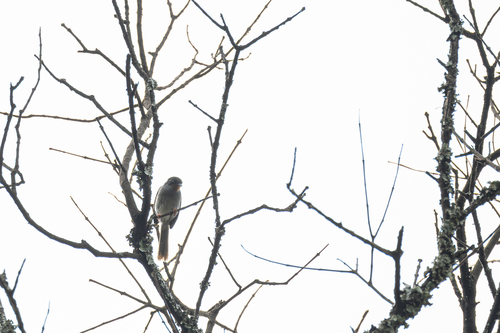
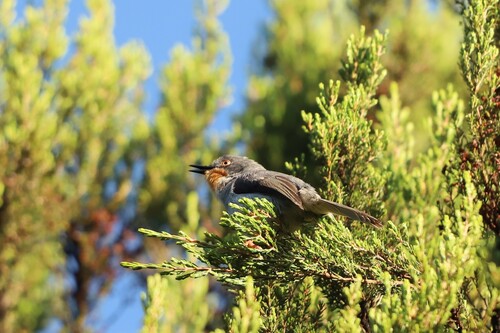
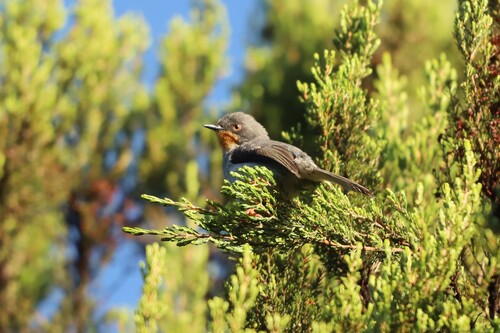
ID tip
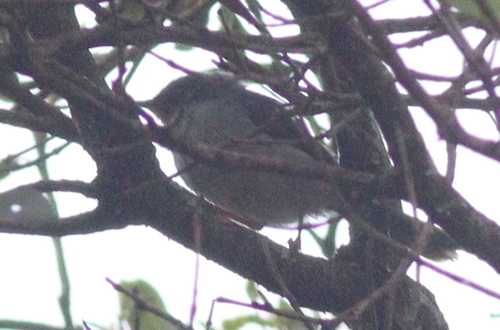
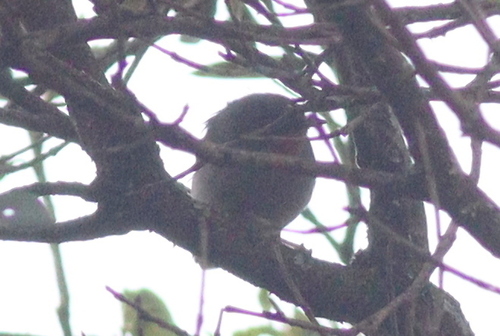
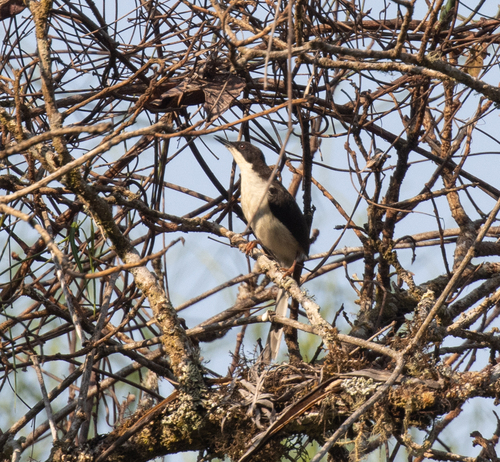
The chestnut-throated apalis is a 12 cm long apalis with mostly grey plumage. The nominate subspecies and the subspecies affinis both have chestnut throats, whereas the Kabobo apalis has an entirely grey throat but paler undersides.
Text from Wikipedia, licensed CC BY-SA 4.0.
When to see the Chestnut-throated Apalis
One bar for each month, and every month is filled: this bird is recorded here in all twelve. The wide bar is July, the month with the most records.
Where to see the Chestnut-throated Apalis
The map shades 6 countries with regular records. Everything unshaded has no records. Countries are listed below the map.
About the Chestnut-throated Apalis
The chestnut-throated apalis is a species of bird in the cisticola family Cisticolidae. The Kabobo apalis, originally described as a distinct species, is usually treated as a subspecies A. p. kaboboensis of the chestnut-throated apalis today. It is itself sometimes considered to be the same species as the Chapin's apalis.
Text adapted from Wikipedia, licensed CC BY-SA 4.0.
Easily confused with
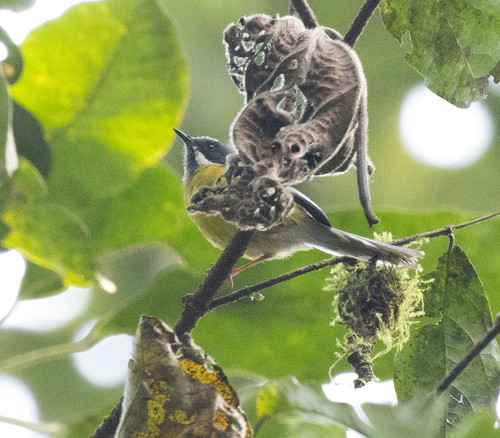 Black-throated ApalisApalis jacksoniThe black-throated apalis is a species of bird in the family Cisticolidae.
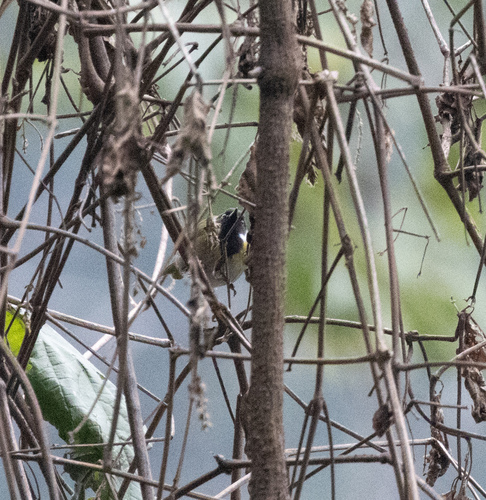 Mountain Masked ApalisApalis personataThe mountain masked apalis, also known as the black-faced apalis, is a species of bird in the family Cisticolidae.
 Black-headed ApalisApalis melanocephalaThe black-headed apalis is a species of bird in the family Cisticolidae.
Side by side: Chestnut-throated Apalis vs Grey Apalis
Learn the Chestnut-throated Apalis in the BeakBrain App
Photo and call practice. Coming soon to iPhone and Android.
Play today's Daily BirdEvery photo and recording on this page is credited to its author under the licence shown. Spotted a problem with this page, or have a better photo? Contribute.