Learn what every symbol on the card means.Full credits and sources at beakbrain.com/symbols
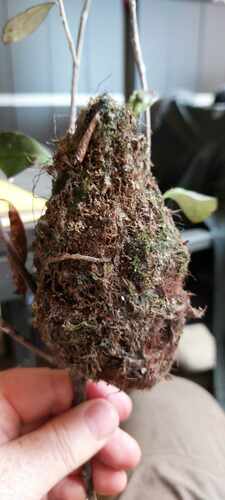
 ForestDomed nestTiny · 10 g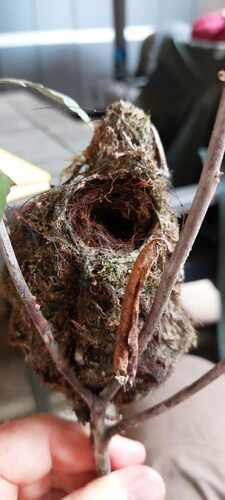
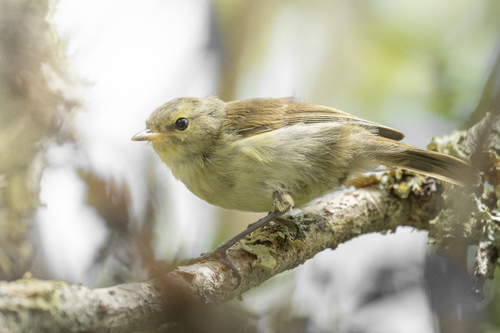
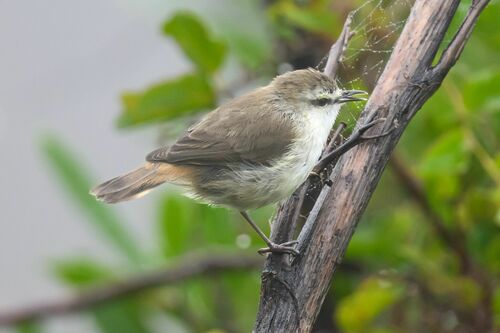
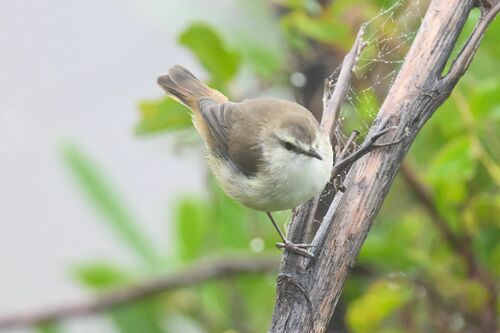
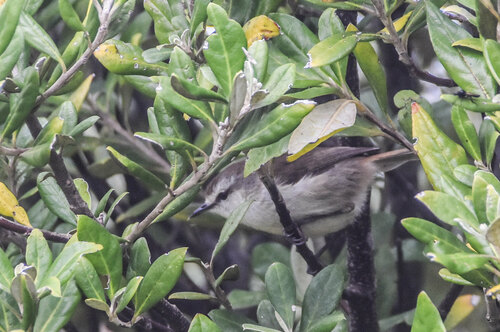
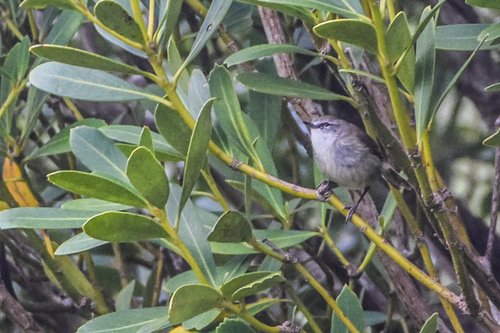
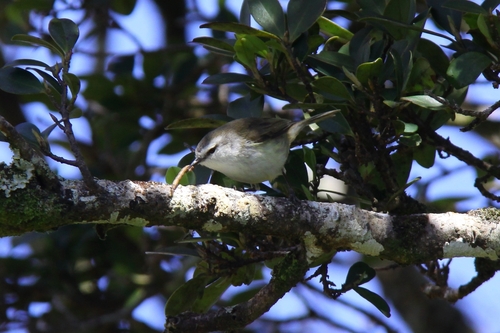

ID tip
The Chatham Islands gerygone has a plain olive-brown head and upperparts, with off-white underparts interrupted by pale yellow flanks and undertail. The male warbler has a distinctive white forehead, eyebrows, throat and underparts. The female warbler lacks these white areas, instead showing dull greyish-white underparts and yellow eyebrows, cheek and throat. Both adults have red eyes. This species of warbler also shows variation in the plumage of the juvenile bird.
Text from Wikipedia, licensed CC BY-SA 4.0.
When to see the Chatham Islands Gerygone
One bar for each month. Filled bars are the 9 months with records; pale bars are months with none. The wide bar is March, the month with the most records.
Where to see the Chatham Islands Gerygone
The map shades 1 country with regular records. Everything unshaded has no records. Countries are listed below the map.
About the Chatham Islands Gerygone
The Chatham Islands gerygone, also known as the Chatham gerygone or Chatham Island warbler, is a species of bird in the family Acanthizidae. It is endemic to the Chatham Islands. The Chatham Islands gerygone is larger than and differs in plumage from the related grey warbler of mainland New Zealand. Both warblers were discovered and named by G. R. Gray in 1845. The grey and Chatham Island warblers are the only two members of the Australasian family Acanthizidae found in New Zealand.
Text adapted from Wikipedia, licensed CC BY-SA 4.0.
Easily confused with
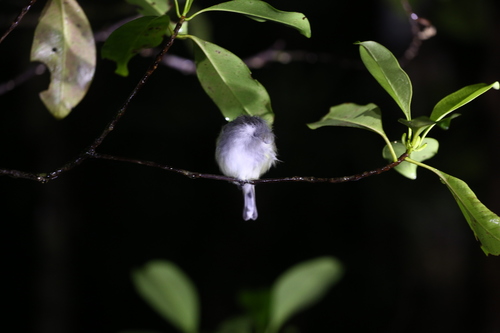 Fan-tailed GerygoneGerygone flavolateralisThe fan-tailed gerygone is a species of bird in the family Acanthizidae.
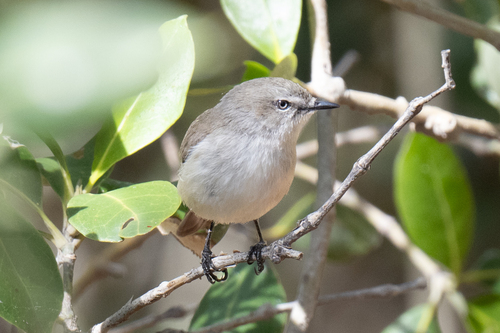 Dusky GerygoneGerygone tenebrosaThe dusky gerygone is about 10-13 cm in length, with the upper parts grey-brown and tinged olive.
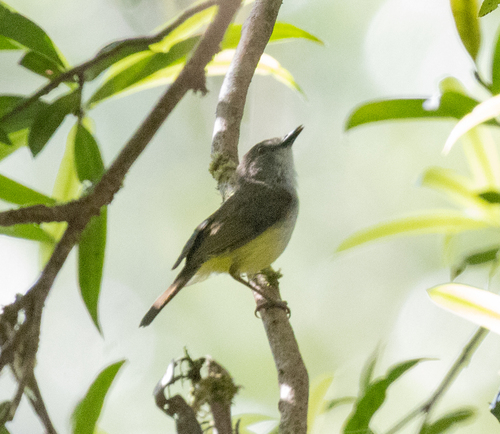 Yellow-bellied GerygoneGerygone chrysogasterThe Yellow-Bellied Gerygone is 10cm with brownish-olive color with a white belly.
Learn the Chatham Islands Gerygone in the BeakBrain App
Photo and call practice. Coming soon to iPhone and Android.
Play today's Daily BirdEvery photo and recording on this page is credited to its author under the licence shown. Spotted a problem with this page, or have a better photo? Contribute.